
 EN
EN
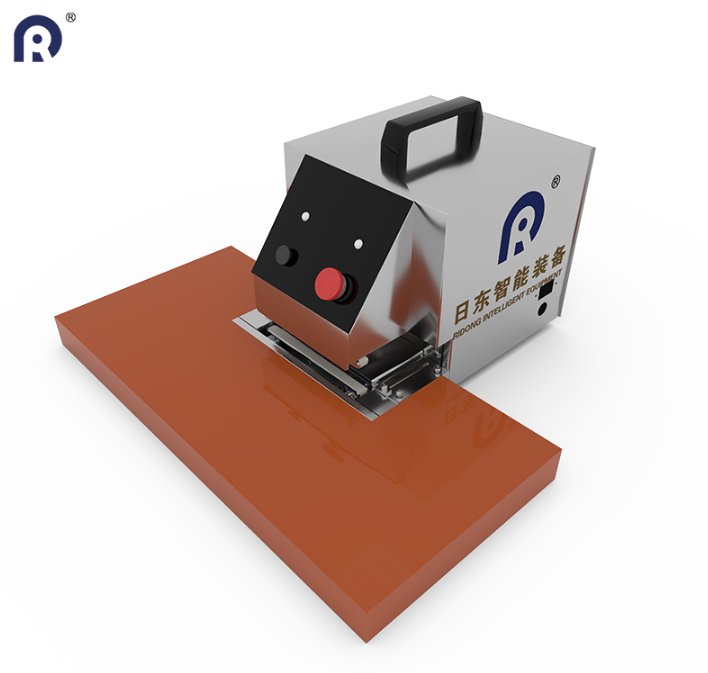
If you are in the roller blinds, shades, or awnings business, you know that joining materials is one of the most critical steps. Get it wrong, and you are looking at returns, unhappy customers, and wasted hours. So, the big question is: should you stick with traditional methods or make the leap to an automatic fabric welding machine? Let us break down the real differences between these two approaches in plain language.
How Automatic Welding Changes Your Product Quality
Here is the thing about manual welding. It depends entirely on the person holding the tool. Their hand might shake a little. They might get tired after lunch. The temperature in the shop could change. All of these things affect how consistent the final weld is. With an automatic fabric welding machine, that variability disappears. These systems use advanced thermal technology to create molecular bonds across the entire seam length, not just on the surface. Machines from companies like Ridong can produce seams that are actually stronger than the fabric itself. That means when a customer pulls on their blind or exposes it to wind and sun, the weld holds. Manual methods, especially hot air welding, often leave weak spots or inconsistent seal strength because they rely so much on operator feel. The automated system simply does not have that problem.
Consistency Across Every Single Order
When you take on large production runs, consistency is everything. A manual approach means each piece might come out slightly different. Some welds are perfect, some are just okay, and some are barely holding. That inconsistency becomes a nightmare when you are trying to fulfill a big contract. An automatic fabric welding machine uses programmed parameters for temperature, pressure, and speed. Every weld is exactly the same as the last one, whether it is the first piece of the day or the hundredth. Some automated systems can output 100 to 150 blinds per hour with minimal supervision. That kind of repeatability allows you to promise customers exact quality standards and actually deliver on them. Manual welding simply cannot match that level of dependability shift after shift.
Speed That Actually Moves the Needle
Speed matters in manufacturing, but only if the quality stays high. A manual operator might produce 10 to 30 blinds in an hour. That is fine for small custom shops or one off projects. But when orders pile up, that pace becomes a bottleneck. An automatic fabric welding machine can produce two pieces in one minute for certain applications. Some machines can even weld fabrics up to 6 meters in a single pass, with a smooth, even finish that looks great. That speed does not come at the cost of quality either. The automated process maintains tight tolerances and consistent heat application throughout. So you get more products out the door in less time, without having to rush or cut corners. That is a huge advantage when you are trying to scale your business.
Less Waste Means More Money in Your Pocket
Fabric waste eats into profits. When you are welding manually, mistakes happen. A misaligned weld means scrapping the whole piece and starting over. That wasted material adds up fast, especially when you are working with expensive PVC, polyester, or acrylic fabrics. An automatic fabric welding machine reduces those errors dramatically. The automated systems align the materials precisely before applying heat. There is no guesswork, no slipped tools, no misjudged distances. Manufacturers switching to automation often see material waste drop by 8 to 12 percent or more compared to traditional sewing or manual welding. Over a full year of production, those savings translate directly into real money that stays in your business. It is not just about making more products faster. It is about making every yard of fabric count.
Lower Labor Headaches and Smoother Operations
Finding skilled welders is getting harder and more expensive. Manual welding requires years of experience to do it well. And even then, you are dependent on that one person showing up every day. Automated systems change that equation. An automatic fabric welding machine does not need years of training. It needs an operator who can load the material and press a few buttons. This reduces labor dependency significantly, often by 40 to 60 percent for certain production tasks. Your team can focus on assembly, quality checks, and customer service instead of spending hours on repetitive welding work. That is a smarter use of your workforce, not just a cheaper one. Plus, automation helps offset the skilled labor shortage that so many manufacturers are struggling with right now.
Better Design Possibilities and Cleaner Finishes
Here is something that does not get talked about enough. Welded seams just look better than sewn or manually fused ones. An automatic fabric welding machine creates seamless, clean joins with no visible stitching holes or uneven edges. That matters because customers notice the details. A blind or shade with a smooth, professional finish feels more premium. It commands a better price and builds a stronger brand reputation. Automated welding also opens up design possibilities that are difficult with manual methods. You can weld zippers onto fabrics for windproof blinds, create folded pockets for bottom bars, or join different materials together seamlessly. These features add value to your products and give you an edge over competitors still doing things the old way.
The Bottom Line
Manual welding has its place for small shops and occasional repairs. But for anyone serious about growing a manufacturing business, an automatic fabric welding machine is the smarter choice. You get better consistency, faster production, less waste, fewer labor headaches, and a cleaner finish. The technology is proven, the savings are real, and the competition is already moving in this direction. It might be time to take a serious look at what automation can do for your shop.