
 EN
EN
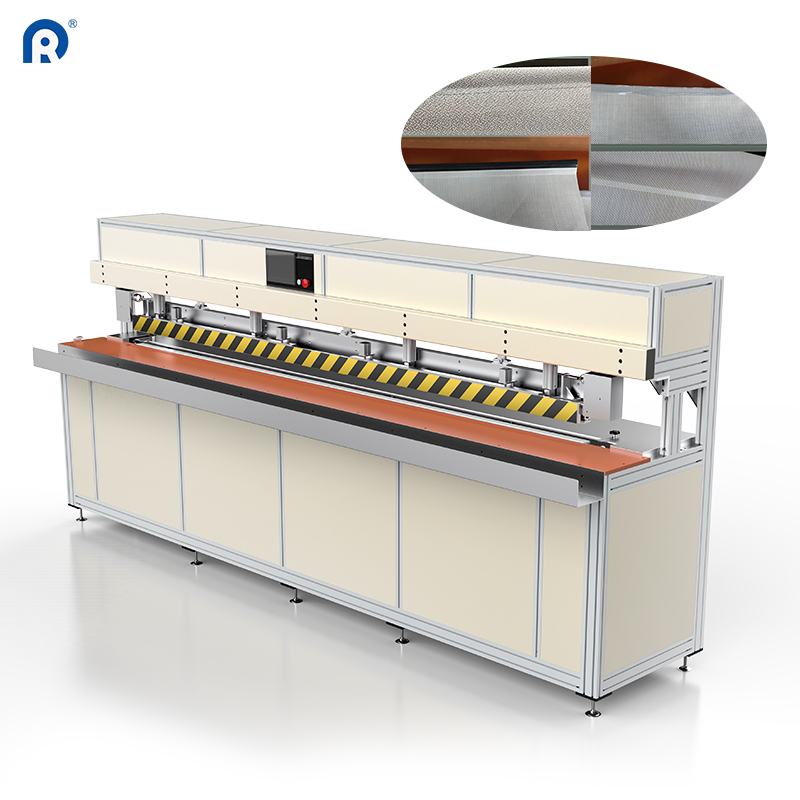
Beyond the Obvious: What Automatic Welding Actually Delivers
Talk to anyone who's recently installed an automatic roller blind welding machine, and the conversation usually starts with the same thing: speed. But keep talking, and the real benefits surface—and they're not what you'd expect.
The global welding machinery market is shifting from traditional standalone machines toward automated, digitally integrated systems. Inverter power sources, robotic welding cells, and intelligent quality monitoring are becoming standard. The roller blind sector is part of this broader transformation, and the benefits go far beyond faster production.
Consistency That Manual Methods Can't Match
The single biggest advantage of automatic welding isn't speed. It's consistency.
Manual welding—whether with a handheld hot-air gun or a semi-automatic bench unit—introduces operator-dependent variables. The temperature might drift. The pressure might vary. The speed of the pass might change as the operator's arm tires. Each of these variables affects the quality of the weld.
Automatic systems eliminate those variables. Temperature is controlled by a closed-loop system. Pressure is applied by mechanical actuators with precise force control. The welding head moves at a programmed speed that doesn't vary from one panel to the next.
The result is a seam that's the same on the first panel of the day as it is on the last. That consistency translates directly to lower rework rates and less material waste. In one facility that made the switch, the variation between operators was running in the 15 to 20 percent range before automation. After automation, that variation effectively disappeared.
The Labor Reality That's Reshaping Production
There's a demographic shift happening in manufacturing that doesn't get enough attention. The pool of skilled sewing and welding operators is shrinking. Experienced workers are retiring. Younger workers are less interested in hands-on textile work. And training new operators to a competent level takes time that many shops don't have.
Automatic welding machines address this problem directly. They reduce the skill required to produce a quality weld. Instead of relying on an operator's touch and experience, the machine handles the critical parameters. The operator's role shifts from active welder to machine monitor—a role that's easier to train and less dependent on years of experience.
This doesn't mean automatic welding eliminates the need for skilled workers. It means it makes better use of the skilled workers available, freeing them to handle complex jobs while the machine handles the repeatable work.
Financial Benefits That Accumulate Over Time
The financial case for automatic welding often gets oversimplified. Faster production is the obvious benefit, but the real gains come from consistency and waste reduction.
| Benefit Category | Manual Welding | Automatic Welding |
|---|---|---|
| Seam quality variation | 15-20% across operators | Minimal |
| Rework rate | Variable, often significant | Substantially lower |
| Material waste | Higher from rework | Lower |
| Operator training time | Longer | Shorter |
| Production predictability | Lower | Higher |
The compounding effect is worth noting. Lower rework means less material consumed per good panel. Less material waste means lower material costs per order. Consistent quality means fewer customer complaints and less time spent on customer service. These benefits accumulate order after order, month after month.
A mid-sized roller blind manufacturer in the Midwest tracked their costs before and after installing an automatic welding machine. The direct labor savings were noticeable but not dramatic. The real improvement came from the reduction in rework—which cut their material waste by a meaningful margin and improved their on-time delivery performance because fewer panels needed to be redone.
Where the Technology Excels and Where It Doesn't
Automatic roller blind welding works best with consistent production runs. If a shop produces the same or similar products day after day, the machine's setup time is amortized across many panels. If the shop runs highly variable custom orders with frequent fabric changes, the setup time becomes a larger factor.
The technology also performs best with weldable fabrics—typically those with a significant synthetic content. Natural fibers don't weld well, and certain coated fabrics can be problematic. Shops that work primarily with cotton or linen will find less benefit from welding than those working with polyester, PVC, or other synthetic materials.
There's also the question of seam appearance. Welded seams are clean and nearly invisible, which is a significant advantage for products where the seam is visible. For products where the seam is hidden, the visual advantage matters less.
A Practical Look at Implementation
Implementing automatic welding isn't just about buying a machine. It's about rethinking the production flow.
One operation in Southeast Asia that installed an automatic welding machine found that the biggest bottleneck shifted from welding to the upstream cutting operation. The machine could weld panels faster than the cutting station could supply them. They had to adjust their entire production balance to get the full benefit.
This is a common pattern. Automation doesn't just speed up one step; it reveals the constraints in the rest of the process. Shops that approach implementation with a systems perspective—looking at the entire workflow rather than just the welding station—get better results.
The industry is moving toward integrated systems where cutting, welding, and finishing are linked in a continuous flow. That's the direction the technology is heading, and shops that plan for that integration position themselves well for the future.
Making an Informed Decision
Understanding the benefits of automatic roller blind welding means looking beyond the surface-level claims. The real value is in consistency, reduced operator dependency, and the cumulative effect of lower rework and waste.
For operations that run consistent products on weldable fabrics, the benefits are substantial. For those with highly variable orders or non-weldable materials, the case is less clear. The technology is proven, but its applicability depends on the specific production environment.
Manufacturers like Ridong have been supplying welding equipment to the sunshade industry for over twenty years, with installations across more than eighty countries. Their experience across diverse applications offers a useful benchmark for shops evaluating automatic welding.
Table of Contents
- Beyond the Obvious: What Automatic Welding Actually Delivers
- Consistency That Manual Methods Can't Match
- The Labor Reality That's Reshaping Production
- Financial Benefits That Accumulate Over Time
- Where the Technology Excels and Where It Doesn't
- A Practical Look at Implementation
- Making an Informed Decision


