
Dongguan, Chiny – kwiecień 2026 – W konkurencyjnym środowisku produkcji osłon przeciwsłonecznych i okiennych czas to dosłownie pieniądz. Każda minuta poświęcona ręcznemu pobieraniu rolek materiału, każdy centymetr zmarnowanego materiału oraz każda przerwa między magazynowaniem a cięciem bezpośrednio obniżają rentowność. Rozwiązaniem jest w pełni zintegrowany system magazynowania i cięcia materiałów – a jako lider w zakresie inteligentnego wyposażenia produkcyjnego Dongguan Ridong Intelligent Equipment Co., Ltd. (maszyny RIDONG) stoi na czele wprowadzania tej przełomowej technologii do branży.
Czym jest zintegrowany system magazynowania i cięcia materiałów?
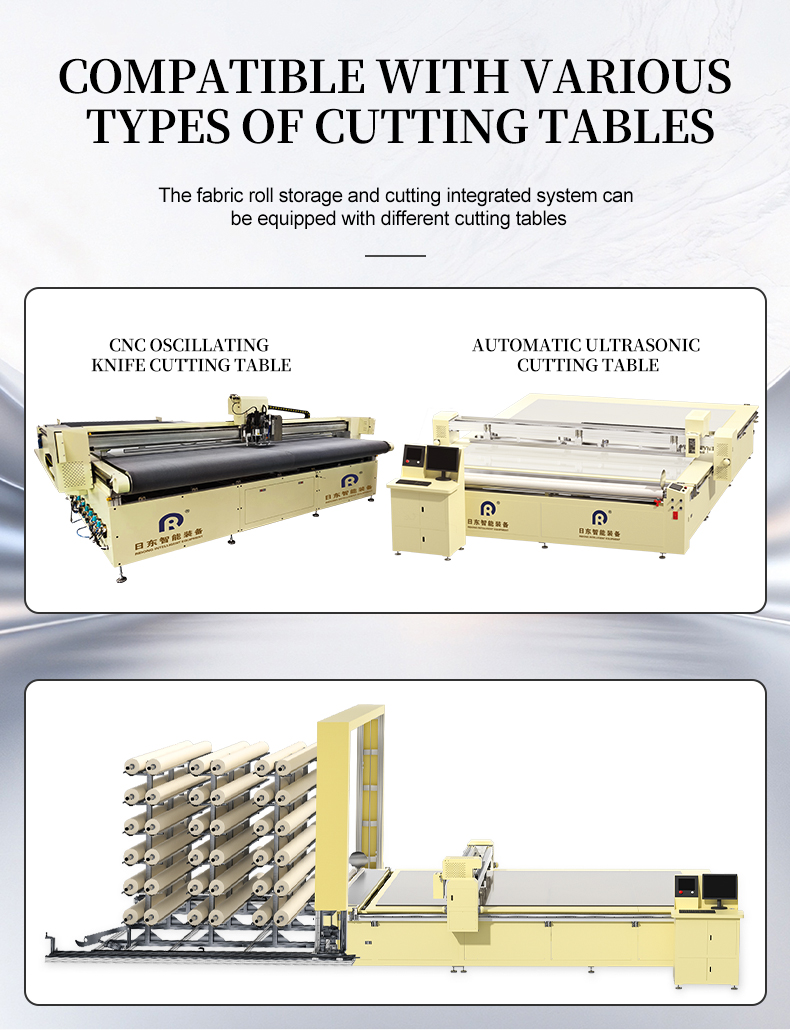
Zintegrowany system magazynowania i cięcia materiału to zjednoczona platforma automatyzacji, która łączy w sobie magazynowanie rolek materiału, inteligentne pobieranie, automatyczne wymienianie rolek oraz precyzyjne cięcie w jeden płynny, zarządzany oprogramowaniem przepływ pracy. Zamiast korzystać z oddzielnych regałów magazynowych i samodzielnych stołów do cięcia – przy czym operatorzy przewożą ciężkie rolki tam i z powrotem – zintegrowane podejście łączy te procesy zarówno cyfrowo, jak i mechanicznie.
Współczesne systemy wykorzystują technologie podobne do tych stosowanych w zaawansowanej przemysłowej automatyce tekstylnej. Rolki materiału są przechowywane w zoptymalizowanych konfiguracjach regałów lub wież, identyfikowane za pomocą kodów kreskowych lub technologii RFID oraz automatycznie transportowane do stacji cięcia w momencie, gdy jest to potrzebne. Maszyna do cięcia przetwarza materiał zgodnie z wcześniejszo załadowanymi wzorami rozmieszczenia (nesting), a częściowo użyte rolki są zwracane do magazynu bez konieczności ręcznego obsługi.
Dlaczego integracja ma znaczenie dla producentów żaluzji przeciwsłonecznych
Produkcja zasłon przeciwsłonecznych wiąże się z unikalnymi wyzwaniami, które czynią integrację szczególnie wartościową:
Częste zmiany materiału. W przeciwieństwie do produkcji odzieży w przypadku zasłon przeciwsłonecznych często występują krótkie serie z różnorodnymi rodzajami tkanin — blokujących światło, przeciwsłonecznych, zebra, prześwietlających i wielu innych. Każda zmiana rolki w tradycyjnym układzie zajmuje cenne minuty. Zintegrowany system wykonuje automatyczną zmianę rolki już w ciągu zaledwie 12–15 sekund, zapewniając ciągłość produkcji.
Wrażliwość materiałów. Tkaniny stosowane w zasłonach przeciwsłonecznych są często technicznymi materiałami tekstylnymi z wyspecjalizowanymi powłokami. Niewłaściwe obchodzenie się z nimi lub nieodpowiednie przechowywanie może spowodować ich uszkodzenie. Systemy zautomatyzowane wykorzystują serwonapędzane chwytaki oraz łagodne mechanizmy transportowe, eliminujące upadki, zaczepienia i zmięcia związane z ręcznym obchodzeniem się z materiałami.
Złożoność zapasów. Typowa fabryka osłon przeciwsłonecznych może zarządzać setkami różnych SKU materiałów tekstylnych w różnych kolorach, szerokościach i stopniach przepuszczalności światła. Zintegrowane systemy magazynowania z inteligentnym oprogramowaniem do zarządzania zapewniają rzeczywisty czas widoczności zapasów, wcześnie wykrywają braki materiałów oraz optymalizują dobór rolek w celu zminimalizowania odpadów.
Jak działa zintegrowany przepływ pracy
Proces ten odzwierciedla starannie skorelowaną sekwencję kroków zautomatyzowanych:
Krok 1: Inteligentne magazynowanie. Rolki materiału są przechowywane w zwartym pionowym lub poziomym systemie regałów, przy czym oprogramowanie sterujące zna dokładne położenie każdej z nich. Konfiguracje magazynowe mogą pomieścić rolki o różnej szerokości — na przykład jedno miejsce w regale może zawierać jedną szeroką rolkę lub kilka węższych rolek. Powierzchnia zajmowana przez takie rozwiązanie jest znacznie mniejsza niż w przypadku tradycyjnych systemów magazynowych.
Krok 2: Automatyczne pobieranie. Gdy zamówienie cięcia trafia do kolejki, system identyfikuje wymagany zwój materiału na podstawie kodu kreskowego i jego lokalizacji. Zautomatyzowana platforma transportowa lub chwytak zamontowany na rusztowaniu pobiera zwój i dostarcza go do stanowiska cięcia – całkowicie bez ingerencji operatora.
Krok 3: Automatyczna wymiana zwojów. Na stanowisku cięcia nowy zwój jest automatycznie załadowany, podczas gdy poprzedni zwój (jeśli został częściowo wykorzystany) jest równocześnie zwracany na swoje miejsce składowania. Dzięki temu nakładającemu się przepływowi pracy urządzenie do cięcia rzadko czeka na materiał, co maksymalizuje wykorzystanie maszyny.
Krok 4: Precyzyjne cięcie. Gdy materiał znajduje się w odpowiedniej pozycji, maszyna do cięcia wykonuje zaprogramowane wcześniej wzory z wysoką dokładnością. Niezależnie od tego, czy stosowane są zaawansowane ostrza, czy narzędzia ultradźwiękowe, zintegrowany system sterowania cyfrowego zapewnia, że każdy element odpowiada dokładnie określonym specyfikacjom.
Krok 5: Zwrot i uzupełnienie zapasów. Częściowe role są zwracane do systemu magazynowego z zaktualizowanymi danymi dotyczącymi pozostałej długości materiału, gotowe do przyszłych zamówień. Cały cykl jest śledzony i optymalizowany przez centralne oprogramowanie, zapewniając pełną śledzalność oraz analitykę efektywności.
Przewaga maszyn RIDONG
Jako członek Sojuszu Eksporterów Produktów do zasłaniania okien w Regionie Wielkiego Zatokowego Obszaru Chińskiego (SEACGBA), firma Dongguan Ridong Intelligent Equipment Co., Ltd. wprowadza bogate doświadczenie branżowe w projektowanie i wdrażanie zintegrowanych systemów przechowywania i cięcia materiałów. Zrozumienie specyficznych wymagań producentów żaluzji — od obsługi delikatnych tkanin chroniących przed promieniowaniem słonecznym po zarządzanie szerokimi rolami stosowanymi w produkcji żaluzji rulonowych — umożliwia firmie RIDONG dostarczanie rozwiązań działających w rzeczywistych warunkach produkcyjnych, a nie tylko w teorii.
Korzyści dla producentów, którzy przechodzą na zintegrowane systemy, są bardzo istotne:
- Zmniejszenie zapotrzebowania na siłę roboczą. Najbardziej natychmiastowy i wyraźny wpływ. Zadania, które wcześniej wymagały udziału wielu operatorów — pobieranie rolek, załadunek maszyn, zwracanie częściowych rolek — są w pełni zautomatyzowane. W konfiguracji cięcia jednowarstwowego całą linię od magazynu do maszyny tnącej można obsługiwać wyłącznie przez jedną osobę.
- Zwiększone wykorzystanie maszyn tnących. Gdy zmiana rolek trwa sekundy zamiast minut, maszyna tnąca spędza znacznie więcej czasu na rzeczywistym cięciu. Może to skutecznie podwoić lub potroić produkcyjną wydajność tej samej aparatury.
- Zmniejszenie odpadów materiałowych. Inteligentne algorytmy doboru rolek wybierają optymalną rolkę dla każdego zamówienia na podstawie pozostałej długości, minimalizując odpady końcowe. Precyzyjna zautomatyzowana obsługa redukuje również odpady związane z uszkodzeniami.
- Kontrola zapasów w czasie rzeczywistym. Zawsze wiedz, jaki materiał jest w magazynie, gdzie się znajduje i ile go jeszcze pozostało. System może nawet generować alerty o ponownym zamówieniu jeszcze przed wystąpieniem braków.
- Efektywność wykorzystania przestrzeni. Kompaktowe rozwiązania magazynowe minimalizują powierzchnię fabryki przeznaczoną na zapasy materiału, zwalniając cenną powierzchnię podłogi na dodatkową moc produkcyjną.
Integracja i szerszy kontekst
Przechodzenie do zintegrowanego magazynowania i cięcia bezproblemowo wpisuje się w ogólny trend branżowy dotyczący inteligentnej produkcji oraz zasad Przemysłu 4.0. Gdy Zintegrowany System Magazynowania i Cięcia Materiału jest połączony z oprogramowaniem ERP oraz systemem zarządzania zamówieniami, wynikiem jest w pełni cyfrowy przepływ pracy – od zamówienia klienta po gotowe części cięte – przy minimalnej liczbie punktów kontaktu ludzkich i maksymalnej przejrzystości.
Dla uczestników targów R+T Asia 2026 oraz innych wydarzeń branżowych ta technologia stanowi rzeczywistą możliwość zapoznania się z przyszłością produkcji żaluzji i osłon przeciwsłonecznych: połączonej, wydajnej i niezwykle produktywnej. Jak pokazało stowarzyszenie SEACGBA podczas niedawnego galowego wieczoru w Szanghaju, ekosystem produkcyjny Wielkiego Obszaru Zatokowego zobowiązał się do dostarczania rozwiązań klasy światowej obejmujących cały cykl produkcyjny.
Z perspektywy przyszłości
Ewolucja branży żaluzji i osłon przeciwsłonecznych w kierunku większej automatyzacji nie jest odległą perspektywą – dzieje się to właśnie teraz. Producentom, którzy wdrażają zintegrowane systemy magazynowania i cięcia materiałów, udaje się konkurować pod względem szybkości, jakości i kosztów na globalnym rynku, który wymaga wszystkich trzech tych czynników. Niezależnie od tego, czy jesteś dużym eksporterem, czy specjalistycznym producentem wyrobów na zamówienie, korzyści płynące z integracji są istotne we wszystkich skalach działalności.
Dongguan Ridong Intelligent Equipment Co., Ltd. nadal inwestuje w technologie, które czynią inteligentne produkcję dostępną i praktyczną dla producentów osłon przeciwsłonecznych na całym świecie. Aby uzyskać więcej informacji na temat zintegrowanych rozwiązań tnących lub omówić, jak automatyzacja może przekształcić Państwa halę produkcyjną, zapraszamy do skontaktowania się z naszym zespołem lub odwiedzenia naszych obiektów w sercu Obszaru Wielkiej Zatoki.
Od magazynu po gotowy element tnący – maszyny Ridong wspierają Państwa w budowie inteligentnej fabryki przyszłości – już dziś.


 EN
EN