
 EN
EN
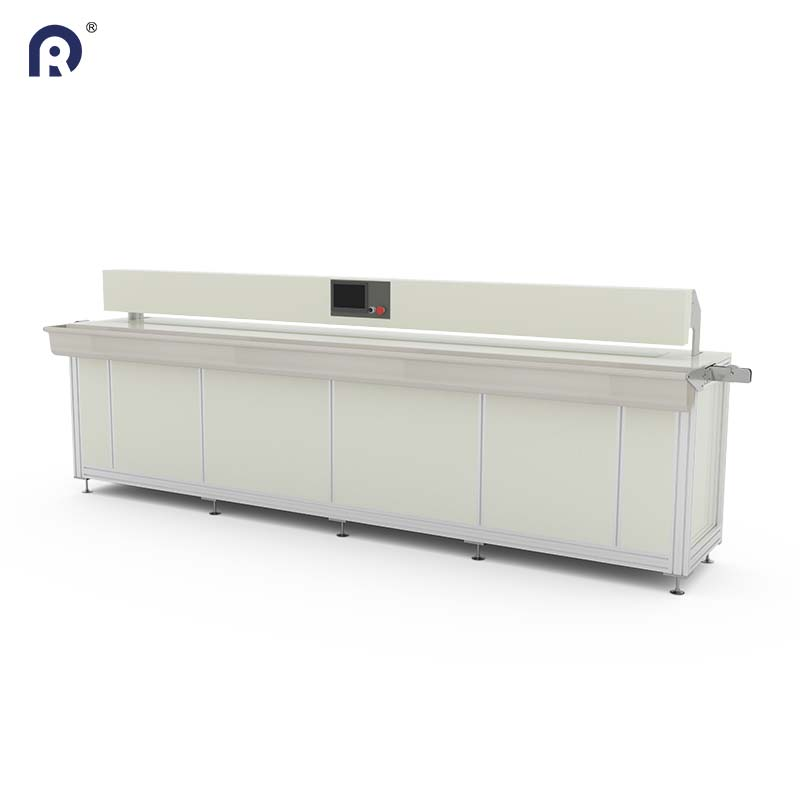
How Curtain Fabric Welding Machine Technologies Match Material and Performance Needs
Hot Air, Ultrasonic, Hot Wedge, and RF Welding: Mechanisms and Compatibility with PVC, FR Vinyl, and Fiberglass-Reinforced Fabrics
Selecting the optimal curtain fabric welding machine hinges on aligning technology with material properties and end-use requirements. Each method delivers distinct performance advantages for specific substrates:
- Hot air welding uses heated airflow to melt thermoplastic layers—ideal for thick PVC and polyethylene tarps where high seam strength and durability are critical.
- Ultrasonic welding employs high-frequency vibrations to fuse molecular structures without heat or needles, making it optimal for lightweight flame-retardant (FR) vinyl and waterproof fabrics where integrity and hole-free seams are essential.
- Hot wedge systems apply controlled heat via a precision-heated blade, enabling continuous, uniform seams on fiberglass-reinforced fabrics that require certified flame resistance—particularly for NFPA 701 compliance.
- RF (radio frequency) welding uses electromagnetic energy to generate internal friction heat, producing hermetic, contamination-free seals in coated textiles like silicone-glass composites used in cleanrooms and medical isolation curtains.
How thick a material is makes all the difference when it comes to heat sensitivity. Thin materials like 600D polyester need much cooler settings during processing to prevent burning through them completely. On the flip side, heavy duty PVC can handle quite a bit more heat before showing damage. When picking materials, there are plenty of performance factors to consider too. Think about things like how well they resist sunlight degradation, stand up against chemicals, or whether they need to be safe for contact with human skin. Take medical grade curtains for example. Most manufacturers stick with RF welding because this method creates those super clean, airtight seams required by hospitals. These seams pass the ASTM E84 fire tests just fine while still maintaining their protective qualities against pathogens and other contaminants.
Key Control Systems That Ensure Consistent, Compliant Seam Quality
Precision control systems are non-negotiable for achieving reliable, repeatable seams in curtain fabric welding—especially in applications governed by fire safety, hygiene, or structural integrity requirements.
Real-Time Parameter Monitoring: Temperature, Pressure, and Linear Speed Feedback Loops
Today’s welding equipment comes equipped with closed loop feedback systems that keep a close eye on several key parameters at once. These include weld zone temperatures accurate to within about 1 degree Celsius, pressure levels set to just 0.1 bar increments, and movement speeds measured down to millimeters per second. If something goes off track, say there’s a sudden drop of around 5 degrees in a specific spot, the machine automatically makes corrections almost instantly. This kind of quick reaction helps deal with all sorts of issues that might come up during production runs, from variations in the materials being used to changes in room conditions or how the parts are fed into the system. Weak spots and uneven welds become much less common as a result. According to industry standards like ISO 9001:2015, these real time checks cut down on failed seams by roughly 40 percent when compared with older methods that relied on manual checks or basic open loop controls.
Non-Destructive Seam Verification and Contamination Mitigation Protocols
To check if welds hold up after being made, manufacturers typically rely on either ultrasonic tests or calibrated air pressure decay measurements. These methods can spot tiny cracks without harming the material itself. At the same time, computerized vision systems are scanning for any particles that might have gotten mixed in during the welding process. This becomes especially important when working with materials like PVC or fiberglass reinforced fabrics meant for cleanrooms or medical facilities where even small amounts of contamination could be problematic. When these systems detect something wrong, they automatically stop production and send out alerts so problems get addressed right away. This helps maintain good manufacturing practices (GMP). The whole system makes sure products meet fire safety standards set by organizations like ASTM for how flames spread and NFPA regarding resistance to catching fire. Best part? It cuts down on having to fix things later after production has already happened.
Sector-Specific Deployment of Curtain Fabric Welding Machines: From Robotics to Cleanrooms
Safety Curtains for Robotic Cells: Meeting ASTM E84, NFPA 701, and IR/UV Blocking Requirements
Safety curtains for industrial robotic cells need to stand up to tough conditions while also providing protection against radiation exposure. The materials used have to meet specific standards like ASTM E84 for surface burning and NFPA 701 regarding flame spread. Many manufacturers include special layers that block infrared and ultraviolet light too, which helps keep workers safe from harmful emissions produced during laser cutting or welding operations. Good welding techniques are essential because the seams in these barriers get bent and flexed repeatedly throughout their service life. When done right, this maintains not just the strength of the curtain but also its ability to shield against hazards. Well made seams also help prevent tiny particles from coming loose, something that matters a lot in areas where cleanliness is critical like pharmaceutical labs or semiconductor fabrication plants. Plants that switch to these high quality safety curtains instead of regular ones tend to see around 40% fewer accidents reported over time, showing clearly that investing in better construction pays off in terms of workplace safety.
Selecting and Integrating a Curtain Fabric Welding Machine: ROI, Footprint, and Operator Training Considerations
Evaluating a curtain fabric welding machine requires a holistic view of total cost of ownership—not just purchase price, but long-term gains in efficiency, yield, and compliance.
When it comes down to it, saving on labor costs because people don’t have to handle materials as much, reducing waste thanks to better seam placement, and getting things done faster all add up to real money saved. Take automated feed systems as just one case point they can slash welding cycle times anywhere from 30% to almost half compared to what happens when workers do everything by hand. Space matters too when picking equipment for a shop. Small hot air units work fine even in tight spaces around 20 square feet or so. But those bigger robotic RF welding cells need at least 50 square feet free space for proper operation, mainly because of safety requirements and how far the machines actually move during their work cycles.
The skill level of operators plays a big role in choosing the right interface and how automated the system should be. For teams just getting started with welding operations, touchscreen interfaces that are easy to navigate along with preset parameters work wonders. Most operators can get up to speed within around 6-10 hours using these simpler systems. On the other hand, manufacturing plants working with tricky materials such as fiberglass reinforced vinyl often go for more sophisticated PLC controlled equipment. These advanced systems definitely take longer to master, usually needing at least 40 hours of hands on training, but they offer complete control over weld settings including custom timing intervals and detailed temperature monitoring across multiple zones. This level of customization becomes absolutely necessary when dealing with specific industry standards or performance requirements that standard systems simply cant handle.
FAQ
What materials are compatible with different curtain fabric welding technologies?
Hot air welding is compatible with thick PVC and polyethylene tarps. Ultrasonic welding works best with lightweight flame-retardant (FR) vinyl and waterproof fabrics. Hot wedge systems are ideal for fiberglass-reinforced fabrics; RF welding suits coated textiles like silicone-glass composites.
How do control systems enhance curtain fabric welding seam quality?
Control systems enhance seam quality through real-time parameter monitoring, which ensures precision in temperature, pressure, and linear speed. These systems automatically adjust when deviations occur, improving weld consistency and compliance with industry standards.
How does a curtain fabric welding machine's footprint affect its integration in a workspace?
The machine’s footprint determines its spatial requirements. Smaller units, like hot air machines, need minimal space (around 20 square feet), whereas larger robotic RF welding cells require more space (at least 50 square feet) to operate safely.
What is the significance of operator training in curtain fabric welding operations?
Operator training is crucial for mastering welding equipment. Simpler systems with user-friendly interfaces require less training (6-10 hours). In contrast, complex systems for specialized materials need rigorous training (40+ hours) for optimal performance.
Table of Contents
-
How Curtain Fabric Welding Machine Technologies Match Material and Performance Needs
- Hot Air, Ultrasonic, Hot Wedge, and RF Welding: Mechanisms and Compatibility with PVC, FR Vinyl, and Fiberglass-Reinforced Fabrics
- Key Control Systems That Ensure Consistent, Compliant Seam Quality
- Sector-Specific Deployment of Curtain Fabric Welding Machines: From Robotics to Cleanrooms
- Selecting and Integrating a Curtain Fabric Welding Machine: ROI, Footprint, and Operator Training Considerations
- FAQ


