
 EN
EN
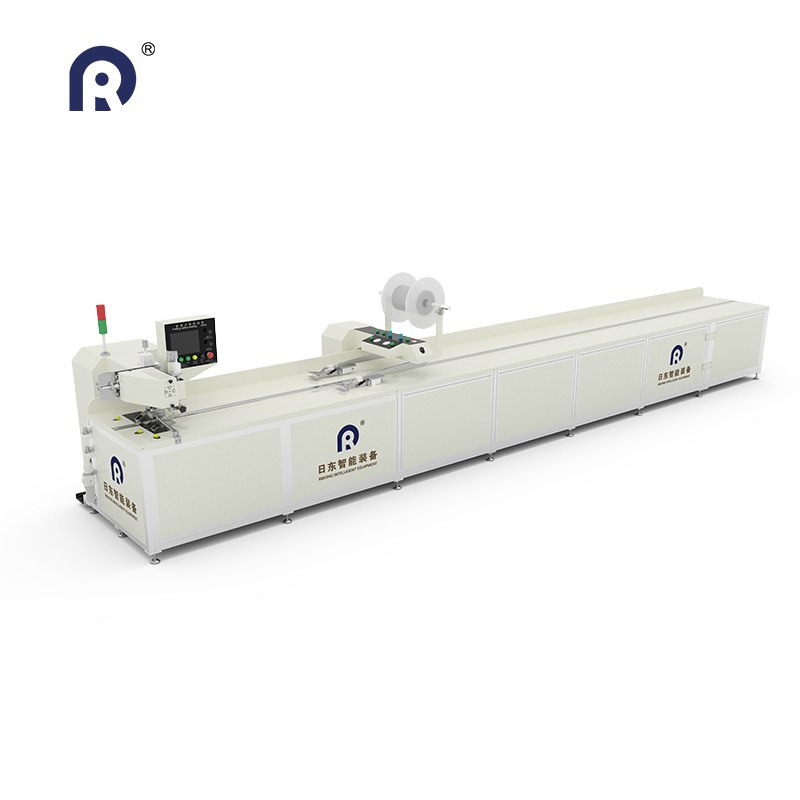
Essential Features of an Industrial Awnings Sewing Machine
Walking Foot and Long-Arm Design for Wide, Layered Awning Panels
For industrial awning work, manufacturers need machines capable of dealing with those thick, layered fabrics such as vinyl coated polyester and heavy duty canvas. The walking foot attachment makes all the difference here since it holds both sides of the fabric at once, so there's no slipping around when sewing. This means straighter seams and better alignment overall. Most shops pair these feet with long arm machines that have arms ranging from about 18 to 24 inches. These longer arms let workers handle those big panels without everything getting bunched up or stretched out. The extra space really helps when working on those wide sections, plus the feeding system stays in sync which keeps stitches looking good even through those thick weatherproof seams everyone cares so much about. According to what many in the trade report, putting these two features together cuts down on material handling time by roughly 30 percent when making those large scale architectural shades we see everywhere nowadays.
High Presser Foot Lift, Servo Motor Precision, and Reinforced Frame Integrity
True industrial capability really comes down to precision engineering in practice. Take the high lift presser foot for instance, those models with around 12 to 16 mm clearance make all the difference when working through several fabric layers plus those thick binding tapes. This becomes especially important during corner reinforcement work on tensioned awning structures where things get tight. Most modern machines now feature servo motors that give operators fine control over speed settings and quick needle adjustments, something that definitely cuts down on fatigue during those marathon production sessions. Don't overlook the importance of solid construction either. Frames made from cast iron or reinforced steel do wonders absorbing vibrations at top speeds while keeping everything aligned properly under heavy loads. Shop owners who invest in these sturdy machines typically see about 40% more lifespan when cutting through tough stuff like PVC material. And let's face it, maintaining consistent stitching quality matters a lot when running at 2,500 RPM straight through a job.
Material-Specific Setup for Vinyl, Canvas, and Coated Fabrics
Thread Selection: UV-Resistant Polyester vs. Monofilament for Outdoor Durability
When it comes to outdoor awning fabrics, the threads used really matter because they need to stand up to sun damage, wet weather, and constant movement. Polyester that resists UV light keeps about 95% of its strength even after thousands of hours under direct sunlight according to some recent research from the Textile Institute. That's way better than regular threads which tend to break down much faster. Monofilament threads look great on see-through vinyl since they're almost invisible, but there's a catch - these threads get brittle when temps drop below freezing, making them unreliable in colder regions. For the main seams where the fabric holds together, bonded polyester works best as it stands up well to all sorts of debris blown around by strong winds. A good rule of thumb is matching thread thickness (around TEX 70 to 135) with how thick the fabric itself is. Think about it this way: heavy duty canvas needs stronger, thicker threads to keep those seams holding firm over time.
Needle Type, Size, and Replacement Protocol for Abrasive PVC and Coated Surfaces
Needle wear happens much quicker on coated fabrics compared to regular natural fibers according to recent industry findings from the Industrial Sewing Report in 2023. For working with PVC materials, it's best practice to go with chrome plated DEN 100 to 120 needles that have those extra strong shafts. These will cut through the layers without bending or breaking. When dealing specifically with silicone coated polyester, diamond coatings on the needle tips really make a difference by cutting down on all that annoying friction during stitching. Most experienced sewers know they should swap out their needles about every eight hours of operation time. Some folks actually track it differently though, replacing them after finishing around fifteen awning panels instead. Either way works fine as long as whichever comes first gets attention. Keep an eye out for dull needles because they create those pesky skipped stitches and tiny little tears we often miss but which can seriously impact how well the finished product holds up against weather over time. A good idea for anyone running high volume production lines is keeping a basic logbook for each project so nobody forgets when replacements are due and ends up with unexpected breakdowns mid production run.
Precision Stitching Techniques to Ensure Seam Integrity and Weather Resistance
Optimal Stitch Length, Tension Calibration, and Dual-Feed Control for Puckering Prevention
Getting good seams depends heavily on getting the settings right. Most folks aim for around 8 to 12 stitches per inch because this range gives decent strength without tearing through the fabric. When it comes to tension settings, getting this right can cut down on fabric distortion by about two thirds.双步送料系统能同步上下面料输送,这样就不会出现位移问题,而且能在厚实面板上保持均匀的缝线穿透度。想要达到最好的防水效果,除了精确缝制外,还要使用抗紫外线的线材,并且在所有受力点做加固处理。角部、挂环边缘和张力锚固点这些地方都得加强,不然很容易出问题。
Proactive Maintenance for Sustained Industrial Awnings Sewing Machine Performance
Lubrication Schedule, PVC-Dust Mitigation, and Component Inspection Checklist
Keeping machines running smoothly takes regular maintenance, especially when working with rough stuff like vinyl and canvas materials that wear things down fast. Set up a routine where we lubricate those critical parts twice a month - needle bars, feed dogs, and hook assemblies work best with the oils recommended by the manufacturer. Skipping this step can really hurt equipment longevity, studies show around 47% more wear happens in busy shops according to Industrial Textiles Report back in 2023. For dealing with all that pesky PVC dust buildup, vacuum out bobbin cases and thread tension discs each day, then give them a good blast with compressed air after about 80 hours of operation. This simple habit stops annoying tension problems and keeps needles from bending unexpectedly. Most shops find it helpful to create a quick 15 item check list for technicians to go through at the start of every shift.
- Verify presser foot alignment and spring tension
- Test servo motor responsiveness across variable speeds
- Examine stitch-forming components for burrs or micro-fractures
Replace throat plates and feed dog covers biannually to sustain smooth, consistent material feeding. These practices reduce thread breaks by 35% and extend machine service life by 7–10 years—directly safeguarding seam integrity against decades of environmental stress.
FAQ
What are the benefits of using a walking foot attachment on industrial sewing machines?
The walking foot attachment helps manage thick, layered fabrics by holding both sides of the material simultaneously, preventing slipping. This results in straighter seams and better alignment, especially beneficial for large-scale textile projects.
Why is servo motor precision essential for industrial sewing machines?
Servo motors provide fine control over speed settings and quick needle adjustments, reducing fatigue during long production hours. Precision in speed and needle control ensures high-quality stitching.
Which types of threads are best for outdoor awning fabrics?
UV-resistant polyester threads are ideal for outdoor awnings as they maintain strength under sunlight. Monofilament threads look good on transparent materials but may become brittle in cold climates.
How often should sewing machine needles be replaced?
Needles should typically be replaced every eight hours of operation or after completing approximately fifteen awning panels to maintain stitching quality and prevent damage to fabrics.
What maintenance is critical for industrial awning sewing machines to function optimally?
Regular lubrication, daily removal of dust buildup, and routine checklists including verifying presser foot alignment and testing servo motor responsiveness, ensure prolonged machine life and consistent performance.
Table of Contents
- Essential Features of an Industrial Awnings Sewing Machine
- Material-Specific Setup for Vinyl, Canvas, and Coated Fabrics
- Precision Stitching Techniques to Ensure Seam Integrity and Weather Resistance
- Proactive Maintenance for Sustained Industrial Awnings Sewing Machine Performance
-
FAQ
- What are the benefits of using a walking foot attachment on industrial sewing machines?
- Why is servo motor precision essential for industrial sewing machines?
- Which types of threads are best for outdoor awning fabrics?
- How often should sewing machine needles be replaced?
- What maintenance is critical for industrial awning sewing machines to function optimally?