
 EN
EN
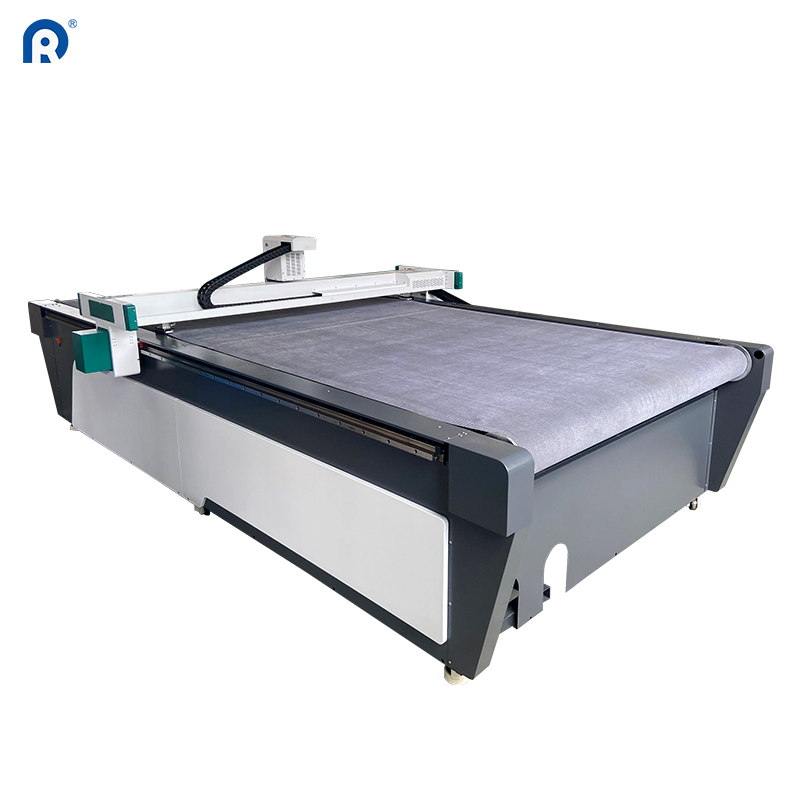
Understanding the Role of a Fabric Cutting Table in Blind Making
How Fabric Cutting Table Size Requirements Impact Blind Production Efficiency
When fabric cutting tables are the right size for the job, they cut down on all that wasted time moving materials around, particularly important for standard blind sizes like 48 inches or 72 inches wide. Getting tables that fit these measurements just right means fabric can be cut continuously without having to shift things back and forth, which really helps keep the workflow steady. Shops that have invested in properly sized equipment tell us their production times went up by about 23 percent over places still stuck with tables too small for the task according to some industry reports from last year. And what about those bigger projects? Motorized drapes need special attention here. Cutting tables with extendable wings going out to 120 inches work wonders for keeping everything lined up properly across large areas. This prevents those annoying seams from getting off track, something that wastes roughly 12 percent of fabric overall in blind making operations.
Key Differences Between Standard and Blind-Making-Optimized Cutting Tables
| Feature | Standard Table | Blind-Optimized Table |
|---|---|---|
| Surface Friction | 0.8–1.2μN | 0.3–0.5μN (silk-friendly) |
| Vacuum Hold-Down | Manual activation | Zoned auto-sensing system |
| Width Capacity | Fixed 60" | Expandable 48"–96" with <1mm seam tolerance |
Blind-specific tables often include laser projection systems for accurate pattern layout, particularly useful for intricate designs like California shutters. This technology reduces alignment errors by 62% compared to traditional chalk-line marking methods (Drapery Tools Quarterly 2023), enhancing both speed and precision.
Evaluating Surface Smoothness and Stability for Precision in Blind Fabric Cuts
Cutting surfaces that stay stable even when subjected to loads of around 50kg show less than 0.3 degrees of deflection, which really helps prevent those annoying deviations that happen during complex multi-layer cuts needed for making blackout blinds. The surface has been polished to achieve a smooth finish between 3 and 5 RA roughness, something that makes all the difference when working with delicate sheer fabrics. This kind of finish keeps edges nice and clean, reducing fraying problems that otherwise cause about 18 percent of products to get rejected in automated blind manufacturing processes. Manufacturers also incorporate special bases designed to dampen vibrations, another factor that contributes to maintaining accuracy within tight tolerances of plus or minus 0.2mm during fast rotary blade operations.
Ergonomic Design Features That Enhance Efficiency in Blind Fabric Cutting
Optimal Ergonomic Height for Cutting Tables During Prolonged Blind Fabrication
Most professionals in the blind making industry find that their fabric cutting tables should be somewhere around 34 to 36 inches tall, which converts to roughly 86 to 91 centimeters. This height range actually makes sense from an ergonomics standpoint because it helps prevent those annoying aches and pains in the back and shoulders after spending hours at work. When someone is either standing or sitting at this optimal height, they maintain better posture throughout the day. And let's face it, good posture matters a lot when working with delicate parts like vanes or those little lift cords that go into custom blinds. These small components can really test patience if the workspace isn't set up correctly.
Reducing Physical Strain With Adjustable-Height Fabric Cutting Tables
Operators find adjustable height tables make their jobs much more comfortable and they tend to get things done faster too. Shops that switched to these adjustable setups saw about 35% fewer cases of back pain and other muscle problems according to Ergonomics International's research from last year. Being able to adjust the table height makes switching between different tasks easier. When someone needs to cut materials, measure components, then assemble products all day long, having the right table height for each step really matters. This is especially true for workshops making lots of Roman blinds where workers handle heavy fabric rolls repeatedly throughout the day.
Fixed vs. Adjustable Tables: Evaluating Usability in Professional Blind-Making Workshops
Fixed height tables still dominate most small workshops these days, about 72% according to industry reports, mainly because they cost less at first glance. But when it comes to places making over fifty blinds each month, adjustable tables actually pay off in the long run. Some research from last year showed something interesting too. Workshops using adjustable cutting areas saw almost 19% fewer alignment problems during cellular blind manufacturing. And this matters a lot since those tiny misalignments can really mess up how the finished product works and looks.
Space Optimization and Portability for Small-Scale Blind Workshops
Balancing Space and Portability Needs in Compact Curtain and Blind Studios
For those working in smaller studios that typically range from around 150 to 300 square feet, getting a space saving fabric cutting table is pretty much a must have item. The newer models on the market today can be as much as thirty percent slimmer compared to what was available before, yet they still manage to offer cutting surfaces that stretch anywhere between six and seven and a half feet long. Most of these modern tables come equipped with handy storage spaces right into their design for keeping blades organized, along with all sorts of measuring instruments and those little tension adjustment gadgets everyone needs. And let's not forget about mobility either many come with wheels that lock securely in place so workers can easily move them from one part of the workshop to another when needed. This kind of flexibility really matters in busy environments where some places might handle fifty or more custom window treatments each week.
Foldable and Modular Fabric Cutting Table Designs for Multi-Use Environments
These foldable tables made from light aluminum frames weighing under 45 pounds can now hold solid worktops as thick as 3/4 inch, giving users both portability and enough stability when making those precise cuts on horizontal blinds. With modular extensions available, workers can actually increase their working area by about 40 percent during big Roman blind jobs, then easily shrink everything back down again when done. What makes them stand out compared to regular industrial equipment is how they fit into small spaces without taking over the whole room. A single table works for cutting materials, checking quality, and packing finished products too, which means even in cramped 200 square foot studios, people get three times as much usable space without needing extra rooms or moving things around constantly.
Comparative Applications: Using Fabric Cutting Tables for Blinds vs. Upholstery
Shared Cutting Techniques Across Blind Making and Upholstery Workflows
Blind makers and upholsterers alike have found their work transformed by those fancy precision cutting systems these days. The combination of laser guides and vacuum hold downs keeps fabrics perfectly still while being cut, which cuts down on mistakes made by hand. A recent report from the Textile Automation folks claims that tables equipped with lasers actually double the accuracy compared to old fashioned manual cutting. Most shops in both fields rely on similar approaches though. They trace patterns for bespoke pieces, set up batches with blades programmed to just the right depth, and handle edges differently depending on what kind of synthetics they're working with. Some places even develop their own special tricks for dealing with tricky materials.
Handling Material Differences: Lightweight Blinds vs. Heavy Upholstery Fabrics
| Feature | Blind Materials | Upholstery Materials |
|---|---|---|
| Typical Thickness | 0.8–1.2mm | 2.5–4mm |
| Common Tools | Rotary blades | Oscillating knives |
| Vacuum Pressure Needs | Medium (30–40 kPa) | High (50–60 kPa) |
As noted in the 2023 Furniture Manufacturing Survey, 68% of upholstery operations require reinforced cutting surfaces to handle dense materials like chenille and leather-look synthetics, highlighting a key divergence in equipment demands.
Case Study: One Workshop's Dual-Use Strategy for a Single Fabric Cutting Table
One mid sized manufacturing company managed to slash their equipment costs by about 37 percent when they upgraded their old 3.6 meter cutting table. They added features like adjustable pressure controls ranging from 25 to 55 kilopascals, plus those handy dual layer sorting trays and those quick release blade housings that everyone loves. With this new configuration, workers could switch back and forth between delicate sheer fabric cuts and tough upholstery materials all in one workday. The result? Material waste dropped dramatically, hitting around 94% efficiency across all sorts of different products they make. Makes sense why so many shops are looking at similar upgrades these days.
Modern Tool Integrations: Vacuum Systems and Alignment Guides for Precision
Modern cutting tables now come packed with intelligent features including self-calibrating laser grids with around 0.3mm accuracy, suction zones that adjust airflow as needed during operation, plus RFID tech for automatic material detection. Shop floor tests show these smart systems cut down on setup times between different jobs by nearly 60% compared to traditional manual methods. For manufacturing facilities trying to keep production moving while maintaining product standards, these kinds of technological upgrades make all the difference. The savings add up fast when considering how much downtime costs in competitive markets today.
Frequently Asked Questions
What are some ergonomic features important for fabric cutting tables?
Ergonomic fabric cutting tables are typically between 34 to 36 inches tall, offering a comfortable height for workers to maintain good posture. Adjustable-height tables can reduce physical strain and offer better flexibility for switching between tasks.
How does the stability of a fabric cutting table affect blind production?
Stable cutting surfaces help prevent deflection during fabric cuts, particularly crucial for precision when making multi-layer blackout blinds or handling delicate sheer fabrics.
What makes foldable cutting tables beneficial for small workshops?
Foldable tables offer portability, space efficiency, and modular options which allow small studios to manage various tasks without needing extra room.
Table of Contents
- Understanding the Role of a Fabric Cutting Table in Blind Making
- Ergonomic Design Features That Enhance Efficiency in Blind Fabric Cutting
- Space Optimization and Portability for Small-Scale Blind Workshops
-
Comparative Applications: Using Fabric Cutting Tables for Blinds vs. Upholstery
- Shared Cutting Techniques Across Blind Making and Upholstery Workflows
- Handling Material Differences: Lightweight Blinds vs. Heavy Upholstery Fabrics
- Case Study: One Workshop's Dual-Use Strategy for a Single Fabric Cutting Table
- Modern Tool Integrations: Vacuum Systems and Alignment Guides for Precision
- Frequently Asked Questions