
 EN
EN
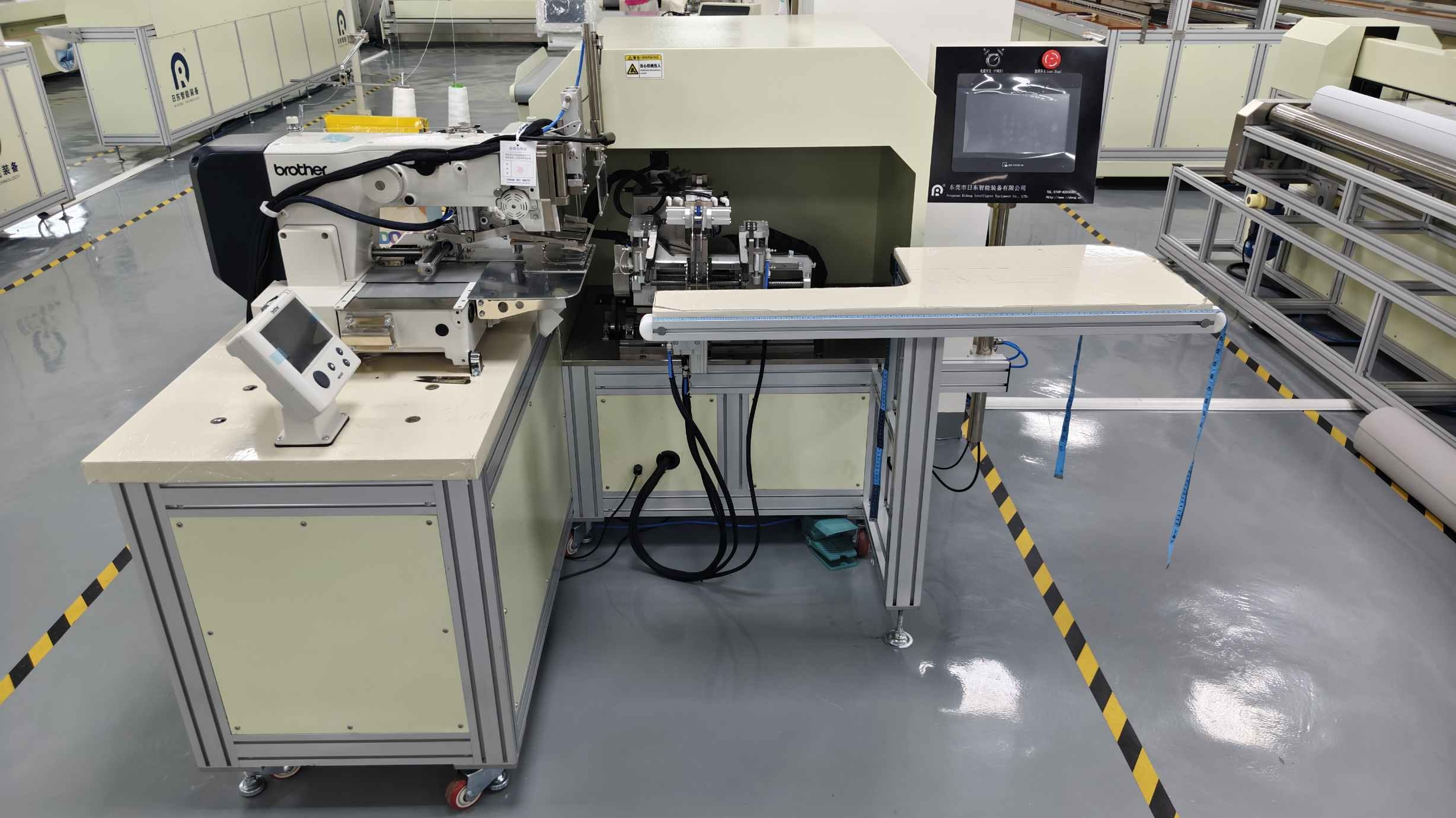
Match Pleating Style Requirements to Curtain Pleating Machine Capabilities
Selecting a curtain pleating machine starts with matching its capabilities to your required pleating styles. The ideal machine should handle core styles like pinch, goblet, pencil, Euro, wave, and cartridge pleats. This compatibility ensures you can meet diverse client demands without investing in multiple specialized machines.
Compatibility with Core Styles: Pinch, Goblet, Pencil, Euro, Wave, and Cartridge Pleats
Different pleating styles call for different tools and techniques. Take pinch pleats for instance they require careful folding and setting with heat, whereas wave pleats have to be formed through smooth, uninterrupted movement across the fabric. Machines that can handle multiple styles without major reconfiguration save time when switching between orders. This kind of adaptability matters a lot for companies that work with both home decorators and commercial clients who often want completely different looks. Being able to pivot quickly between production runs means fewer lost hours and happier customers in the long run.
Adjustable Pleat Depth, Spacing, and Programmable Pattern Memory for Customization
When shopping around for sewing equipment, don't stop at just the basics. Machines equipped with adjustable pleat depth and spacing controls make all the difference when working with various fabric types from lightweight silks to heavy wool blends. The ability to tweak these settings means better outcomes across different design requirements. Many modern models come with programmable pattern memory that saves those custom configurations for future projects. This feature really pays off during production runs where the same settings need to be applied repeatedly. Setup becomes much faster and mistakes get minimized. For businesses focused on quality workmanship, having this kind of control over their machinery translates directly into consistent product quality while still maintaining efficient workflow throughout the shop floor.
Align Automation Level with Production Volume and Output Consistency
The choice between standalone and integrated curtain pleating machines really comes down to what kind of production work needs doing. Standalone models work well for smaller operations or those dealing with lots of custom jobs since they can handle frequent setup changes without needing blazing fast speeds. On the other hand, integrated systems connect straight to cutting or sewing stations and make a huge difference for big volume producers. These setups cut down on manual handling and automate how materials move through the process. Many manufacturers report saving around half their labor costs each shift when using these integrated solutions. Plus, there's much better consistency from one batch to the next, which matters a lot in commercial textile production environments.
Standalone vs. Integrated Curtain Pleating Machine Systems: Speed, Labor, and Workflow Fit
Standalone machines work best when dealing with all sorts of small batch jobs that need constant style adjustments throughout the day. They're built for flexibility rather than just going fast, which is why many custom drapery shops swear by them. On the flip side, companies cranking out huge numbers of the same panel should look at integrated systems instead. These setups handle everything from getting the fabric moving right through to creating those neat folds and stacking finished products ready for shipping. No more passing stuff between workers manually means fewer mistakes happen during production runs. Plus, it cuts down on how much staff time gets eaten up by repetitive tasks. When trying to hit those aggressive delivery windows while keeping consistent quality standards across tens of thousands of pieces, this kind of automation becomes absolutely essential.
Knife vs. Rotary Pleating Mechanisms: Precision, Fabric Integrity, and Maintenance Trade-offs
How fabrics get pleated really matters when it comes to both quality and how much work goes into keeping them looking good. Knife pleaters work by using a sharp blade that folds fabric against a hot bar, which makes those nice crisp lines we see in heavier materials like blackout curtains or ones with interlining added. But there's a catch here too many people forget about blade maintenance becomes essential over time, and these machines can actually damage finer fabrics if not handled carefully. Then there are rotary pleaters that rely on heated rollers instead. These produce softer pleats that stay consistent across the fabric without putting as much strain on delicate materials such as sheer linens or satin weaves. The downside? They don't create that same sharp edge some classic pleat designs require, which is why many traditionalists still swear by their old fashioned methods despite needing more frequent service checks.
Verify Fabric Handling Performance Across Material Types and Weights
Seamless Transition from Sheers to Heavy Blackout Fabrics via Adaptive Tension & Feed Control
Good curtain pleating machines need to tackle all sorts of fabric weights without cutting corners somewhere. Going from light sheers that are under 100 GSM right up to heavy blackout fabrics over 300 GSM requires some pretty smart technology behind the scenes. The secret sauce lies in those fancy adaptive tension controls and feed systems that know exactly what pressure to apply at any given moment. These systems tweak roller pressure and feeding speed so fabrics don't slip around, stretch out, or get distorted during processing which keeps those pleats looking consistent and maintains the quality of the material itself. Machines equipped with precise servo driven feeds actually cut down on wasted fabric by roughly 18% when changing between different fabric types according to recent industry data from last year's textile report. And let's not forget about features such as real time tension checks and pre set fabric profiles. Operators love these because they can store their best settings for commonly used materials, making sure each batch comes out the same way every time while reducing the need for constant manual fiddling between production jobs.
Evaluate Physical and Operational Integration into Your Workshop
Footprint, Power, and Air Requirements — Plus Operator Skill Curve and Interface Intuitiveness
When picking out a curtain pleating machine, take some time to really look at what works in your workshop. Start by measuring where the machine will go against the actual space it needs, leaving enough room around for moving materials and getting at parts when something breaks down. Check those power specs too many industrial models run on 220V or even 380V three phase electricity, which might mean spending extra cash on electrical upgrades. Pneumatic systems are another consideration they usually need good quality compressed air lines with certain pressure levels. Training matters just as much as specs. Machines with touch screens and visual guides cut training time roughly in half compared to older manual controls, according to field reports from fabric shops across the country. Think about whether staff members can handle learning new patterns and fixing issues themselves, or if regular tech support visits will become part of the budget. The best machines actually make things flow better, not worse. So map out exactly where raw materials come in and where finished curtains leave to ensure everything moves smoothly through the space.
Calculate Long-Term ROI: Beyond Purchase Price to Total Cost of Ownership
Quantifying Labor Savings, Waste Reduction, and Throughput Gains per Shift
When looking at what a curtain pleating machine actually costs over time, most people forget about all the hidden expenses beyond just the sticker price. To get a real picture of value, companies need to track how much money they save day after day on their shop floor. Take labor costs for instance many curtain makers report cutting down on handwork by around half for each panel produced. The math works out when we look at how much time gets saved multiplied against hourly wages and how many panels come off the line each week. Automated systems that handle feeding and cutting materials also mean less fabric goes to waste, sometimes as little as 18% compared to traditional methods. And let's not overlook production speed either top machines can crank out 30 to 40 percent more curtains during an eight hour shift. All these factors labor savings, reduced waste, faster production combine into something manufacturers call return on investment. For shops making decent volumes, it's common to see the machine pay for itself within just one and a half years.
Service Contracts, Spare Parts Availability, and Uptime Reliability Impact on ROI
When it comes to making money over time, how reliable equipment runs day after day matters just as much as what it costs initially. Sure, something cheaper at first glance looks tempting, but if the machine breaks down frequently or needs expensive maintenance deals, those savings disappear fast. Look for vendors who offer clear pricing for yearly maintenance and have shown they can keep machines running almost constantly, say around 99% of the time. Getting replacement parts shouldn't be a nightmare either. We've seen shops lose thousands when they had to wait weeks for that one rare part from overseas while their whole operation ground to a halt. Don't forget to include possible losses from stopped production when calculating total costs. Good manufacturer support and local stockpiles of essential components go a long way toward keeping curtain pleaters productive instead of turning them into monthly headaches that eat away at bottom line profits.
FAQ
What are the key pleating styles a machine should handle?
The machine should handle core pleating styles like pinch, goblet, pencil, Euro, wave, and cartridge pleats.
How important is automation in curtain pleating machines?
Automation is crucial as it saves labor time, ensures consistency, and can significantly reduce costs in high-volume production environments.
What is the difference between standalone and integrated pleating machines?
Standalone machines are best for small batch jobs requiring style adjustments, while integrated systems suit high-volume production with reduced manual handling.
How does the choice of pleating mechanism impact fabric handling?
Knife pleaters offer precision but require maintenance and can damage delicate fabrics. Rotary pleaters are gentler on fabrics but may lack sharp folds.
What factors contribute to long-term ROI for pleating machines?
Factors include labor savings, waste reduction, throughput gains, and uptime reliability. Service contracts and parts availability also impact ROI.
Table of Contents
- Match Pleating Style Requirements to Curtain Pleating Machine Capabilities
- Align Automation Level with Production Volume and Output Consistency
- Verify Fabric Handling Performance Across Material Types and Weights
- Evaluate Physical and Operational Integration into Your Workshop
- Calculate Long-Term ROI: Beyond Purchase Price to Total Cost of Ownership
-
FAQ
- What are the key pleating styles a machine should handle?
- How important is automation in curtain pleating machines?
- What is the difference between standalone and integrated pleating machines?
- How does the choice of pleating mechanism impact fabric handling?
- What factors contribute to long-term ROI for pleating machines?