
 EN
EN
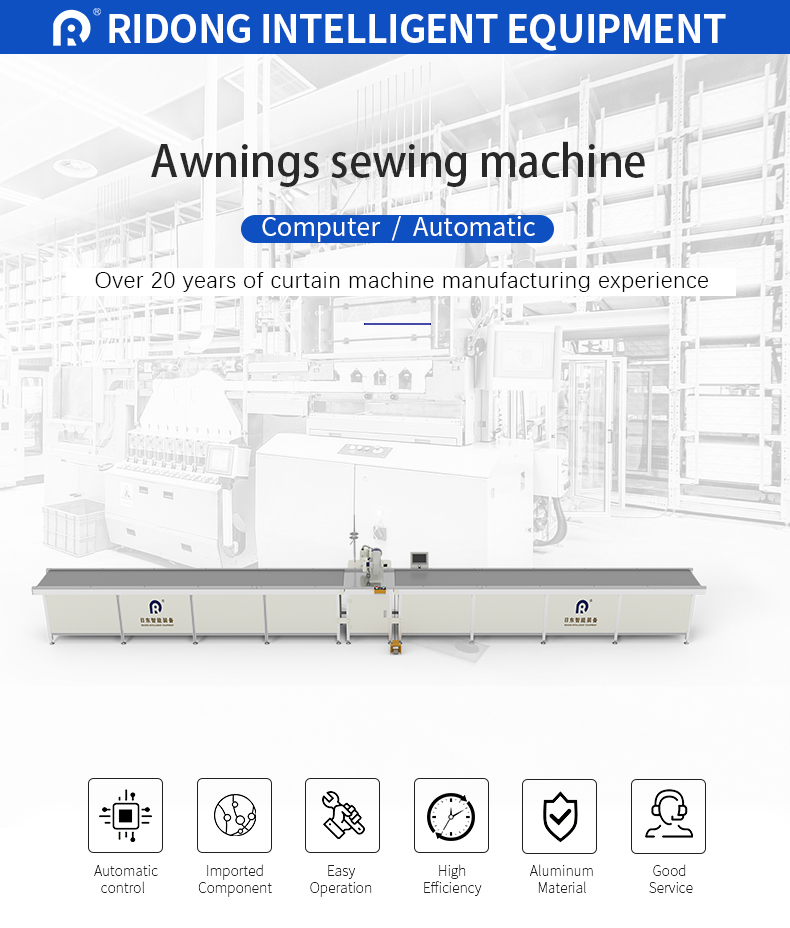
Core Mechanical Advantages of the Awnings Sewing Machine
Reinforced Feed Dogs and Walking Foot Systems for Consistent Multi-Layer Seam Integrity
Awnings sewing machines are different from regular sewing setups because they come equipped with hardened steel feed dogs plus those synchronized walking foot systems that stop fabrics from moving around while working on them. What these parts do is keep tension steady across every layer, something really important when dealing with those thick laminated sunshade materials that weigh over 24 oz per square yard. The walking foot actually works in two directions at once, grabbing hold of material from above and below so there's no puckering and stitches stay evenly spaced throughout. This kind of engineering tackles one major problem that makes awnings fail early on their own seams just aren't strong enough to handle wind forces and temperature changes over time. Tests done in factories found that triple layered seams made using this method can resist tearing about 32 percent better than what most people get with standard techniques according to research published in Textile Engineering Journal last year. This matters a lot especially at corners where stress tends to build up fastest.
High Stitch-Per-Minute Rate and Optimized Needle Penetration for Heavy-Duty Fabric Performance
Engineered for high-volume production, specialized awnings sewing machines achieve stitch rates of 1,500–2,200 SPM while maintaining precision in heavy fabrics. This efficiency stems from three optimized components:
- Tungsten-coated needles with reinforced shafts that reduce deflection in PVC-coated polyester
- Industrial-grade brushless motors delivering consistent torque at low RPM
- Computerized stitch regulators compensating for material thickness variations
Field data from awning manufacturers reveals a 40% reduction in needle breakage incidents compared to modified apparel machines, translating to fewer production interruptions. The high-speed capability doesn’t compromise penetration power—critical for maintaining seam strength in UV-resistant fabrics where inconsistent needle perforation weakens fiber integrity over time.
Sewn vs. Welded Seams: Durability, Flexibility, and Real-World Application Fit
UV and Thermal Cycling Endurance: 3-Year Field Data Comparing Awnings Sewing Machine Seams to RF-Welded Alternatives
Looking at what happens in the field shows some pretty big differences between how different seams hold up when exposed to harsh conditions. Welded seams tend to stay watertight in situations where things don't move around much because the materials are actually fused together. But interestingly enough, those special sewing machines used for awnings create seams with reinforced lock stitches that seem to last longer in sunlight. According to some tests from the Outdoor Textiles Council back in 2023, these stitched seams showed about 25-30% less wear on the threads after three years outside. Why? Well, manufacturers started using these fancy UV resistant threads and improved their stitching techniques so needles go through fabrics without creating weak spots. Another thing worth noting is that while welded connections can develop cracks when temperatures keep changing day after day, sewn seams keep working even when temps swing wildly between freezing cold (-20 degrees) and really hot weather (up to 80 degrees Celsius). Real world testing has shown that these sewn options handle all that constant bending and stretching much better than welded ones do, especially important for retractable awnings that get moved around regularly.
When to Choose Welding — and Why the Awnings Sewing Machine Excels in High-Stress, Articulated, or Repairable Zones
Welding works best when we need permanent seals, think inflatable structures or containers for chemicals. When it comes to things that need movement or repairs on site, the awning sewing machine is hard to beat. The seams hold up well even as fabrics stretch, which matters a lot for tight installations where welds tend to crack under pressure points. Fixing problems takes way less time too. A broken 1 meter section can be replaced in under fifteen minutes with sewing, while welded parts often mean swapping out whole panels. Sewing holds its own especially around corners and curves too. Those special walking foot attachments keep layers from slipping during sewing, making all the difference with thick materials.
Precision Engineering for Thick, Laminated Sun Shade Fabrics
Adaptive Presser Foot Pressure and Heavy-Duty Motor Specs for PVC-Coated Polyester (18–24 oz/yd²)
Thick, UV-resistant laminated fabrics like PVC-coated polyester demand specialized engineering. Standard sewing machines struggle with inconsistent tension and needle deflection when handling 18–24 oz/yd² materials. The awnings sewing machine overcomes this through:
- Automated presser foot pressure: Dynamically adjusts to fabric thickness changes, preventing puckering or layer separation
- High-torque motors: Deliver 1.2 Nm output for flawless needle penetration without stalling—critical for laminated layers
- Synchronized feed systems: Heavy-duty walking feet grip materials firmly, reducing slippage by 47% compared to conventional industrial models
This mechanical synergy ensures uniform stitches through dense fabrics and eliminates skipped stitches at seam intersections—a common failure point in sunshade manufacturing. It enables reliable production of marine-grade covers and architectural tension structures.
Operational Impact: How the Awnings Sewing Machine Boosts Throughput and Reduces Rework
Awnings sewing machines have really changed how fast things get made thanks to their super quick automatic stitching features and top notch engineering work. These machines can actually sew at speeds reaching around 2200 stitches per minute, which means they boost production speed somewhere between 30 to 40 percent faster than what humans could do manually. Plus, the seams stay strong and even when working with thick, heavy duty fabrics that are tough to handle otherwise. For companies making sunshades, this kind of speed boost cuts down on labor expenses for each product they make, especially important during those busy seasons when orders pile up fast. Another great feature is how these machines adjust the pressure from the presser foot automatically, so there's no more annoying puckering or size changes happening in those layered materials we often use. As a result, factories see their need for fixing mistakes drop by more than half. Less wasted fabric and fewer people needed to fix problems translates into real money saved and customers getting their products on time instead of waiting forever.
Key operational benefits include:
- Throughput optimization: Automated thread trimming and feed mechanisms enable continuous operation, cutting sewing time per awning by 25%
- Rework reduction: Precision tension control prevents skipped stitches and seam failures, ensuring 98% first-pass quality in UV-resistant fabrics
- Resource efficiency: Lower energy consumption (₵0.8 kW/hr) and reduced scrap fabric translate to 15% lower production costs
These advantages position the awnings sewing machine as an essential tool for manufacturers prioritizing scalability and margin protection in competitive markets.
FAQ Section
What are the benefits of using specialized awnings sewing machines?
Specialized awnings sewing machines provide reinforced feed dogs and walking foot systems for consistent seam integrity, high stitch-per-minute rates, and precision in handling heavy-duty fabrics like PVC-coated polyester. This engineering ensures durability even in high-stress environments.
How do sewn seams compare to welded seams for awnings?
Sewn seams provide better durability in fluctuating temperatures and UV exposure compared to welded seams. They allow for easier repairs and flexibility, especially important for retractable awnings or installations requiring movement.
What operational advantages do awnings sewing machines offer?
Awnings sewing machines enhance productivity with high-speed stitching, reduced rework, and energy efficiency. They help lower production costs and improve first-pass quality, making them essential for scalable awning manufacturing.