
 EN
EN
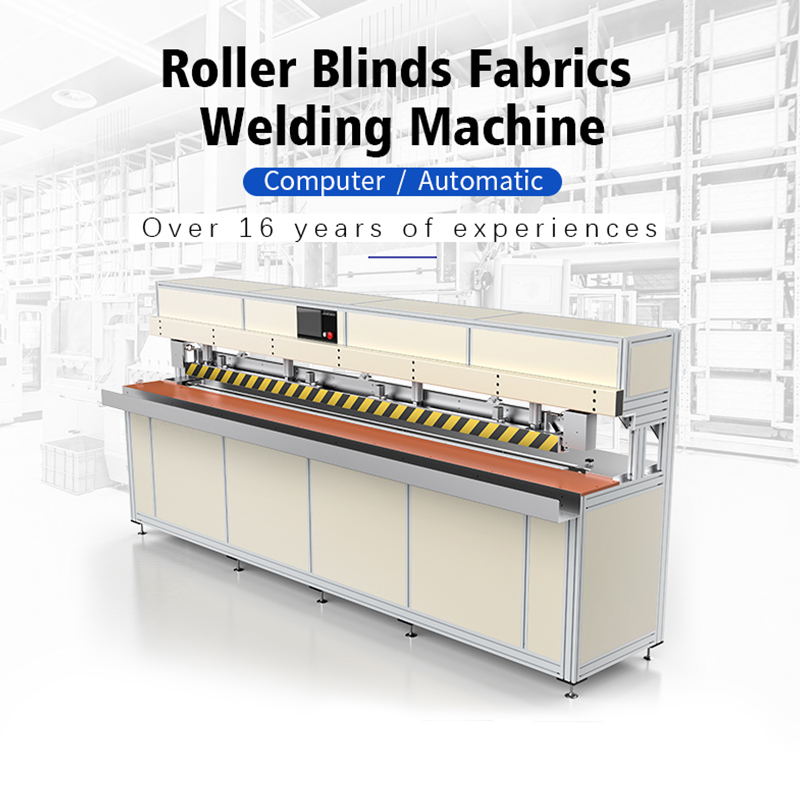
How Fabric Welding Machines Enable Superior Durability in Sunshade Products
Fabric welding machines transform sunshade manufacturing by creating seamless, robust bonds that outperform traditional stitching. This technology ensures products withstand extreme environmental stresses, delivering long-term reliability in demanding applications like commercial awnings and outdoor shades.
Monolithic Seams vs. Stitched Joints: Eliminating Weak Points Under UV and Wind Stress
When we look at stitched joints, they create all these tiny needle holes throughout the fabric - places where UV light gets through and wind can really take its toll. Over time, those UV rays start breaking down the threads, which leads to fraying and eventually tearing. Wind also tends to gather around these little holes, making them hotspots for damage during bad weather events. Fabric welding technology changes this completely by creating solid seams without any gaps between pieces. These welds spread out stress across the whole material surface instead of concentrating it at weak points. What's great about this approach is that it stops UV from getting inside the fabric and keeps water out too, so the material stays intact much longer. According to recent studies published in Textile Engineering Reports last year, welded seams actually handle about 50 percent more pulling force compared to traditional stitching methods. Plus, they last roughly twice as long when exposed to UV light in lab conditions designed to speed up aging processes. For companies operating in tough environments, this means significantly reduced maintenance costs and fabrics that perform reliably even after years of exposure to extreme weather conditions.
Real-World Impact: 40% Longer Lifespan in Commercial Awnings Using RF Welding
RF welding, which stands for Radio Frequency welding, works as a primary method in fabric welding equipment. It basically takes electromagnetic energy and uses it to melt together materials such as PVC and vinyl fabrics, creating completely watertight seams without any gaps. According to recent field research published in Manufacturing Efficiency Data back in 2023, awnings made using this RF process last around 40 percent longer than regular sewn versions. Why? Because these welded seams don't have those tiny holes that let water collect over time. No water means no mold growing inside the material, and definitely fewer problems with wind causing tears at stress points. When looking at busy city environments where awnings get constant exposure, businesses find they need to replace RF welded covers much less often. This translates into about 30% savings on both warranty repairs and ongoing maintenance expenses. What we're seeing across the industry is simply better lasting products that keep customers happy while also making good financial sense for manufacturers and retailers alike.
Material-Specific Optimization: Matching Fabric Welding Machines to Sunshade Fabrics
PVC, Vinyl, and TPU Compatibility: Why Thermal and RF Welding Outperform Sewing
PVC, vinyl, and TPU fabrics used for sunshades belong to a category called thermoplastics. These materials actually fuse together when exposed to specific temperatures and pressure levels. Traditional sewing methods punch holes through fabric using needles and thread, while thermal welding and RF technology produce something completely different. They create bonds at the molecular level, resulting in truly seamless connections. What does this mean? No more tiny holes from stitching that let UV rays and water penetrate the fabric over time. Take TPU as an example. When RF welding is applied, it activates the internal molecules of the material, creating watertight joins that still maintain their strength. This approach prevents those annoying frays and unravels we often see in regular sewn seams, particularly when exposed to strong winds. Industry data shows manufacturers experience around 30 percent fewer problems with seams on welded products versus traditional stitching methods. That makes these sunshades last much longer in places like shopping centers or outdoor cafes where they get constant exposure.
Precision Parameter Control for UV-Stable, Fire-Retardant, and Waterproof Performance
Modern fabric welding equipment allows for incredibly fine tuning of temperature settings, pressure levels, and welding time - all critical factors when working with specialty coated materials. Many high quality sunshade fabrics contain special UV protection chemicals and flame retardants that can actually break down if exposed to uneven heating. Getting the temperature just right during the welding process stops problems like burning marks or layers peeling apart, which would ruin those important protective features. The best automated systems adjust pressure automatically so bonding material spreads smoothly along every seam. This eliminates tiny gaps where moisture might sneak through, yet still keeps the fabric flexible enough for normal use in outdoor environments.
| Factor | Sewing Risk | Welding Advantage |
|---|---|---|
| UV Resistance | Stitch holes accelerate fiber degradation | Sealed seams prevent UV ingress |
| Waterproofing | Needle perforations create leakage paths | Continuous barrier without penetrations |
| Fire Safety | Thread melts at high temperatures | Additive integrity preserved via controlled heat |
The result is certified compliance with industry standards for weather resistance—critical for architectural-grade sunshades.
Fabric Welding Machine Advantages Over Traditional Methods: Durability, Efficiency, and Aesthetics
Sunshade makers are finding fabric welding machines offer major advantages compared to traditional sewing methods and glues. When fabrics get welded together at the molecular level, they form solid seams that last much longer than regular stitching which tends to fall apart after exposure to sunlight or when threads start coming loose. These welds remove those problem spots where strong winds can tear through the material, making the whole structure stronger against harsh weather conditions. Factories report production times go up around half when switching to welding systems, per recent industry reports from last year, plus there's less need for workers and fewer wasted materials during manufacturing. The heat controls on these machines create consistent seams without any holes from needles or thick glue lines, so products look cleaner and stay watertight even in heavy rain. For companies selling outdoor gear, this combination of lasting quality, faster production, and better looks gives them edge over competitors struggling with older techniques in tough marketplaces.
Selecting the Right Fabric Welding Machine for High-Volume Sunshade Production
Key Specifications: Power Output, Frequency Range, and Automation Readiness
The power range of 8 to 15 kilowatts makes all the difference when it comes to how fast production moves along and what kinds of materials can be handled. When dealing with thick UV resistant fabrics, having higher wattage really helps prevent those frustrating slowdowns that everyone hates. Speaking of specifications, the standard 27.12 MHz frequency is actually pretty important for getting consistent heat penetration into PVC and vinyl composite materials during RF welding processes. Manufacturers should look for equipment with automation ready features such as PLC controls, barcode systems, and compatibility with MES or ERP platforms. These additions can cut down on changeover time significantly, sometimes around 40% in facilities running non stop operations. For anyone serious about maintaining high productivity levels, modular design options that work well with automated fabric feed systems and edge sealing mechanisms are essential. Most plants aim to keep their throughput somewhere north of 500 linear meters per hour, so these design considerations become absolutely critical.
ROI Considerations: Reduced Labor, Rework, and Warranty Claims
Switching to automated welding can slash labor expenses by around 70 percent when compared with traditional hand sewing methods. No more messing with thread tension or fixing those pesky stitch issues that always seem to pop up. When manufacturers get precise control over all the parameters, they see rework rates drop under 2%. The result? Seams that are practically watertight right from the first weld attempt. These strong monolithic joints hold up against harsh conditions too. They've been tested to last well over 15 years even after constant exposure to sunlight and wind. This means fewer warranty problems for businesses dealing with commercial awnings according to Textile Engineering Report findings from last year. All these savings stack up pretty quickly. Most companies report getting their money back within just 12 to 18 months thanks to reduced material waste and products that simply last longer than ever before.
FAQ
What are the main advantages of fabric welding machines over traditional sewing methods?
Fabric welding machines offer superior durability by creating seamless bonds that don't have needle holes, minimizing weak spots for environmental stress like UV rays and wind. This results in longer-lasting sunshade products, reduced maintenance costs, and a stronger resistance to harsh weather conditions.
How does RF welding contribute to the durability of sunshade products?
RF welding uses electromagnetic energy to bond materials like PVC and vinyl, resulting in watertight seams without any gaps. This prevents water collection, reducing the potential for mold and tear damage. Awnings created with RF welding reportedly last around 40% longer than those made with traditional sewing methods.
Why is precision control important in fabric welding machines?
Precision control in temperature, pressure, and welding time is vital to prevent degrading fabric coatings such as UV protections and flame retardants. Properly controlled parameters prevent burning marks and ensure the longevity and protective qualities of the fabric.
What should manufacturers consider when choosing a fabric welding machine?
Key specifications include power output, frequency range, and automation features. Higher wattage and the standard 27.12 MHz frequency are essential for handling thick, UV-resistant fabrics. Automation readiness, such as PLC controls and MES/ERP compatibility, can significantly boost productivity and minimize downtime.
Table of Contents
- How Fabric Welding Machines Enable Superior Durability in Sunshade Products
- Material-Specific Optimization: Matching Fabric Welding Machines to Sunshade Fabrics
- Fabric Welding Machine Advantages Over Traditional Methods: Durability, Efficiency, and Aesthetics
- Selecting the Right Fabric Welding Machine for High-Volume Sunshade Production
- FAQ