
 EN
EN
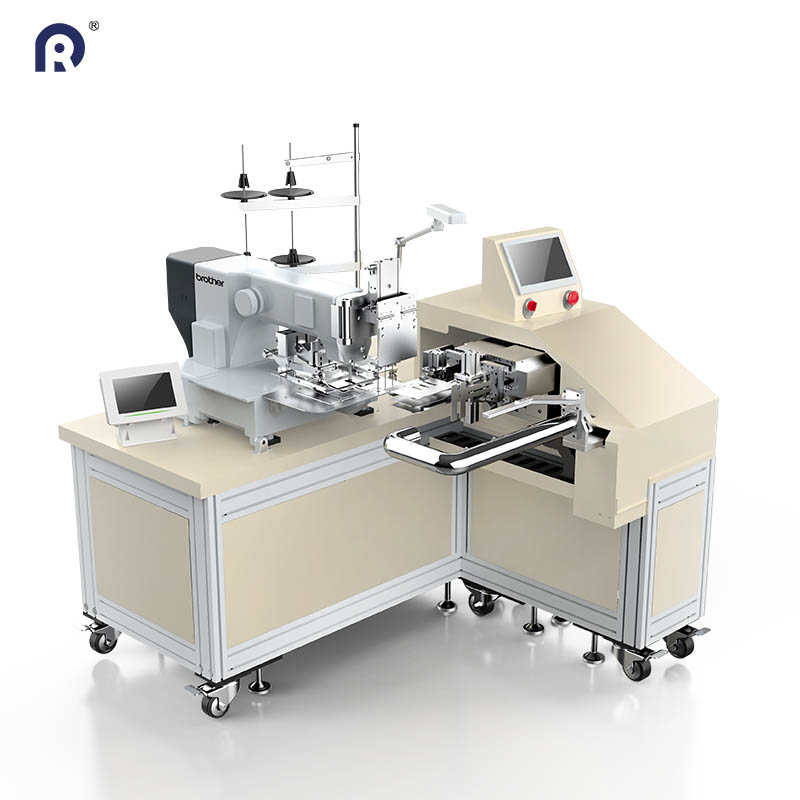
How Automatic Curtain Pleating Machines Work and Why Precision Matters
Core mechanics of the curtain pleating machine in industrial production
Curtain pleating machines in industrial settings rely on carefully timed mechanical parts to turn plain fabric into neat, repeating folds. The process starts with servo driven rollers that move the material through the machine, keeping everything taut no matter if it's handling delicate voile or thick jacquard fabrics. Along the way, programmable clamps grab hold of the fabric at set points, and powerful hydraulic arms create those crisp, evenly spaced pleats we all know and love. These machines can crank out pleats at over 12 meters per minute, which is pretty impressive when you think about it. What really matters though is how consistently they perform. Most good quality machines maintain pleat accuracy within about half a millimeter throughout an entire production run, something that makes a huge difference when producing thousands of identical curtains for commercial clients.
Role of PLC control and HMI interfaces in ensuring consistent, user-friendly operation
Today's pleating systems bring together PLC technology and touchscreen interfaces, merging mechanical accuracy with the ability to adjust operations as needed. When setting up a job, operators enter details about pleat depth usually between 2 to 8 centimeters and how far apart they want them through easy-to-use graphical displays. The PLC then takes those settings and converts them into precise movements for the machine. According to research from textile factories across Europe in early 2024, plants that switched to PLC controlled pleating saw nearly 70 percent fewer setup mistakes than when workers did everything manually. These systems also watch what's happening in real time, making small corrections automatically if the fabric starts slipping or the tension changes unexpectedly. This means the machines keep producing accurate results without constant supervision.
Precision engineering behind minimal deviation in pleat formation
Engineered systems can keep deviations under 1.5 mm even when working with fabrics stretching up to 100 meters long. The machinery relies on laser aligned stainless steel rails to keep everything straight during operation. At the same time, special sensors called strain gauges watch the clamping pressure closely. These pressures typically range from around 15 to 40 pounds per square inch, depending on what kind of fabric is being processed. Such consistent results matter a lot for big architectural projects. Imagine trying to fit together several curtain panels across windows wider than 10 meters without any visible gaps or misalignments. That's exactly what these precision specs make possible in real world applications.
Adjusting Pleat Spacing with Digital Control for Customized Designs
Real-time adjustment of pleat depth and spacing using automated digital settings
The servo driven systems allow for about half a millimeter precision when it comes to pleat spacing, all managed via those digital HMIs we see these days. Factory workers have the ability to tweak settings by tenth of a millimeter steps and get instant updates from built in tension sensors. This really matters when working with softer materials like silk blends since they need roughly 15 percent less gripping pressure compared to something thick like velvet fabric. Getting this kind of detailed control helps avoid problems like lumpy gathers throughout the material. And let's face it, nobody wants wasted textiles. According to industry data from last year, around one quarter of all production losses were actually caused by such gathering issues across the textile sector.
Support for diverse pleat styles through programmable configurations
Top-tier machines support over 50 preset patterns, including:
- Pinch pleats (2–5 finger variations)
- Goblet pleats with adjustable crown heights
- Ripple-fold designs requiring synchronized motor coordination
A 2023 industry study showed that programmable systems cut style changeover time from 45 minutes to under 90 seconds compared to manual setups, enabling small-batch customization at scale. This capability meets rising demand for mixed-design orders, which grew 38% year-over-year in commercial curtain contracts.
Case study: Achieving batch uniformity in a commercial curtain manufacturing facility
A leading European manufacturer eliminated size inconsistencies across 800+ hotel blackout curtains using closed-loop calibration. Their machine now automatically:
- Scans fabric thickness via laser sensors
- Adjusts feed rate based on material density
- Archives settings for future repeat orders
This integration reduced return rates from 12% to 0.8% within six months and increased daily output by 20%, demonstrating how automated adjustments enhance profitability in high-volume operations.
Adapting the Machine for Various Fabric Types and Weight Classes
Optimizing the Curtain Pleating Machine for Lightweight Sheers vs. Heavy Drapes
Today's pleating machines can work with all sorts of fabrics thanks to their adjustable tension settings, varying feed speeds, and pressure adjustments. When dealing with light weight sheers that weigh less than 120 grams per square meter, the machine actually cuts down on clamping force by about half so the fabric doesn't stretch out. Special dual guide rollers keep everything lined up straight without messing with the shape. For heavier fabrics over 350 grams per square meter, manufacturers have added stronger needles and powerful servos that handle thick woven materials better. Textile engineers claim these adaptable features cut down on wasted fabric by around 22% compared to older machines with fixed settings. A few top end models even come with smart fabric detection technology now. These systems recognize different materials like lace, linen or velvet and change settings automatically depending on how flexible or dense they are.
Material Handling Features That Prevent Damage During Automated Pleating
To preserve fabric integrity, modern systems incorporate three key innovations:
- Anti-slip vacuum feeders with zone-controlled suction that grip without puckering
- Laser-guided edge detection for consistent pleat placement, even on irregular selvages
- Low-friction polymer guides that prevent snagging on metal components
The new tech makes it possible to handle those tricky temperature sensitive fabrics without wrinkles, especially important since polyester blends account for about two thirds of all curtains made commercially. Some machines even come equipped with special tension balancing systems for really delicate stuff. These systems check fabric stress points an incredible 1200 times every second, so there's no risk of the weave getting messed up when running at speeds up to 15 meters per minute. What this means is manufacturers can run everything through the same machine, whether they're working on lightweight voile fabric or heavy duty blackout drapes. And get this the pleats stay consistent within just 0.3 millimeters across the entire batch.
Boosting Efficiency and Reducing Costs in High-Volume Production
Labor and Material Savings Through Automation of the Pleating Process
When it comes to fabric production, automation really cuts down on those pesky manual measuring mistakes and folding errors that plague traditional methods. According to some research published last year, this can slash fabric waste anywhere from 18 to 22 percent. The machines handle tension control so precisely that they maximize material usage even when running batches of over 10,000 panels at once. Plus, these systems make adjustments through PLC controls which means less thread gets eaten up during the pleat locking process. Looking at the numbers, manufacturers who switched to automated systems saw their labor costs drop around 40% specifically for intricate pleat designs like pinch and goblet pleats that used to take forever to produce manually.
End-to-End Workflow: From Fabric Feed to Finished Pleated Curtains
The fully automated workflow includes:
- Roll-to-roll loading with auto-alignment
- Continuous pleating at 15–20 meters per minute
- Integrated quality scanners that detect deviations ≤1.5 mm
This seamless process allows a single operator to oversee 8–12 machines simultaneously. Industry benchmarks show PLC-controlled pleating systems achieve 67% faster order fulfillment than manual workshops.
Trend Analysis: Rising Adoption of Smart Pleating Systems in Europe and Asia
The numbers tell quite a story actually. Since 2023 we've seen European textile factories ramp up their smart pleating machine installations by around 30 percent according to that Textile Machinery Global Report from 2025. What's driving this? Well, hotels want those really high quality blackout curtains where every pleat is exactly 5 centimeters apart. Over in Asia though, things are getting even more interesting. The market there is at the forefront with these special hybrid systems that mix automated pleating processes together with artificial intelligence for spotting defects. Pretty impressive stuff too when you consider they're hitting first pass quality rates of nearly 99.4% for sheer curtain manufacturing. That kind of precision just wasn't possible before these technologies came along.
FAQ
What is a curtain pleating machine?
A curtain pleating machine is an automated device used in industrial settings to transform plain fabric into pleated designs, utilizing mechanical parts, PLC controls, and HMI interfaces for precision and efficiency.
How do curtain pleating machines maintain accuracy?
These machines maintain accuracy through engineered systems that allow minimal deviation in pleat formation and incorporate PLC control which ensures precise movements and minimal setup mistakes.
Can curtain pleating machines handle any fabric type?
Yes, modern curtain pleating machines are adaptable and can work with various fabric types, from lightweight sheers to heavy drapes, by adjusting tension settings, feed speeds, and pressure according to the fabric's weight.
What benefits do automated curtain pleating systems offer?
Automated systems reduce labor and material costs by cutting manual measuring mistakes, ensuring consistent pleat formation, and achieving faster order fulfillment than manual processes.