
 EN
EN
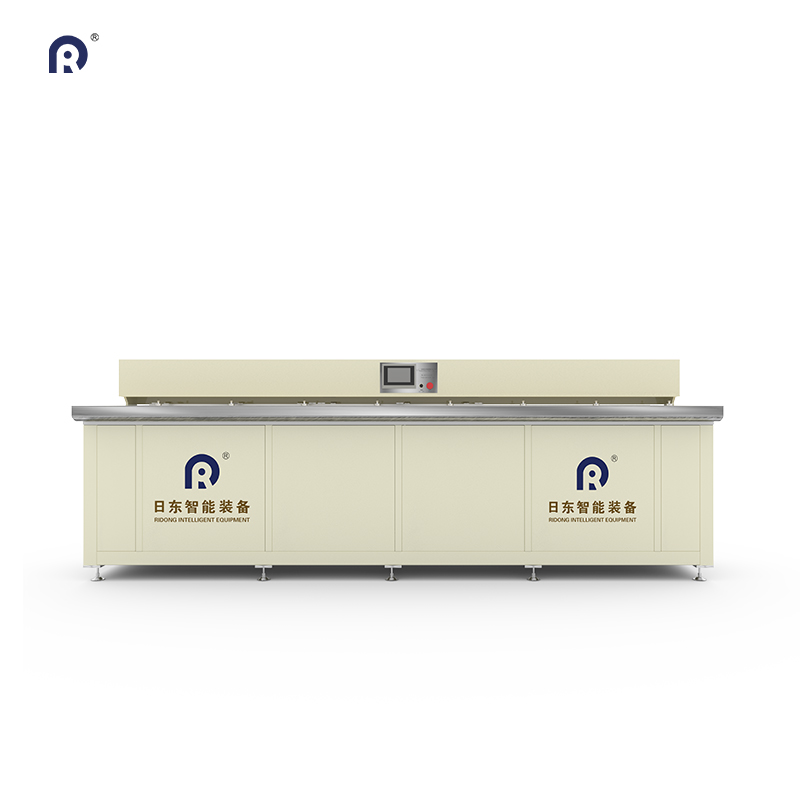
How Insect Screen Welding Machines Create Durable Welds
Understanding the Resistance Welding Mechanism in Insect Screen Fabrication
The insect screen welding machine works by using electrical resistance focused right at the spot where wires meet. When electrodes press down and send current through the material, they create concentrated heat exactly where needed to melt the metal just enough for it to bond properly without messing up the rest of the mesh. This kind of targeted approach solves problems that come with heating everything at once. Take high frequency welding systems for example these can reach temperatures above 600 degrees Celsius within about two thousandths of a second. What makes this method so good is that it creates strong, uniform connections while still keeping those protective polymer coatings intact on things like aluminum or fiberglass screens.
The Role of Electrode Alignment and Contact Precision in Weld Consistency
A mere 0.1 mm off in electrode alignment drops weld strength down around 37%. Tungsten carbide tips that are precision ground help keep the current flowing evenly over those tricky mesh surfaces that aren't always flat. Modern welding machines come with these auto-leveling sensors now, so they can handle wires anywhere between 0.2 mm and 1.5 mm thick. These sensors maintain good contact with the electrode throughout the whole process, even when dealing with feedstock that's bent out of shape or just plain inconsistent. And let's face it, this kind of consistent contact makes all the difference when trying to get joints that hold together reliably time after time.
Thermal Management and Its Effect on Mesh Integrity and Longevity
Active water cooling keeps electrodes below 80°C during continuous operation—critical when welding heat-sensitive fiberglass. Advanced models stagger weld points to allow adjacent joints time to dissipate heat, minimizing cumulative thermal stress. This approach prevents annealing in tempered aluminum wires, preserving the mesh’s original tensile strength.
Critical Factors That Determine Weld Strength in Insect Screen Welding Machine Operations
Matching Material Types and Wire Gauge to Machine Capabilities for Optimal Bonding
The materials being welded have a big effect on how good the final weld turns out. Aluminum works differently from fiberglass when it comes to electrical resistance, and those thin wires ranging from about 0.2 to 0.6 millimeters really need just the right amount of current flowing through them. If the settings aren't spot on, what happens? Brittle joints or parts that don't fully fuse together, particularly when working with finer wires that push beyond what the welding machine can handle in terms of amps. Smart operators always check the strength ratings of their materials against what the equipment maker recommends. This simple step helps avoid situations where things break apart way too soon after installation.
Calibrating Electrical Parameters: Voltage, Current, and Pulse Duration
Voltage (15–30 V) and current (8–12 kA) determine heat generation at weld points. Pulse durations under 50 ms optimize energy transfer for thin wires, ensuring full fusion without excessive melting. Research shows controlled energy input improves joint strength by 34% compared to fixed-parameter systems, particularly in thermoplastic-bonded meshes.
Ensuring Proper Pressure and Clamping Stability During the Weld Cycle
Consistent electrode pressure (1.5–2.5 MPa) prevents arcing and ensures stable contact. Pre-weld cleaning improves bond strength by 92%, as surface contaminants disrupt current flow and thermal distribution. Servo-driven clamping reduces positional drift by 78%, enhancing accuracy on high-speed production lines.
Balancing Automation and Manual Oversight in Parameter Control
Automated systems maintain repeatability in 85% of cycles, but manual oversight remains vital for atypical materials or environmental fluctuations. Real-time SPC monitoring detects deviations in weld penetration depth within ±0.1 mm tolerance, allowing proactive adjustments. This hybrid model cuts scrap rates by up to 40% in multi-shift operations.
Common Weld Defects and How to Prevent Them in Insect Screen Production
Identifying Porosity, Spatter, and Incomplete Fusion in Welded Mesh Joints
Three primary defects compromise weld integrity:
| Defect Type | Causes | Preventive Measures |
|---|---|---|
| Porosity | Trapped gas, contaminated surfaces | Acetone cleaning and humidity-controlled environments reduce porosity by 85% |
| Spatter | Excessive current/voltage | Maintain 8–12 kA current and ˜50 ms pulse duration |
| Incomplete Fusion | Poor electrode alignment | Laser-guided alignment reduces misalignment errors by 93% |
Case Study: Diagnosing Recurring Weak Welds in High-Speed Manufacturing Lines
A manufacturer of fiberglass mesh was dealing with around 18% product rejection because some joints kept failing intermittently. Looking into why this happened, they found two main issues. First, the conveyor belt was running at 2.4 meters per minute, which was too fast for the machine's 1.8 second welding cycle. Second, there was excessive heat building up during production, reaching temperatures as high as 230 degrees Celsius when the maximum safe level should have been no more than 185°C. This overheating damaged the protective polymer coatings on the mesh. After making adjustments to the welding pulses and installing some active cooling systems, the company managed to cut down defective products by about 74% over just eight batches of production. Getting these changes implemented wasn't easy though, as it required recalibrating several parts of their manufacturing line.
Root Cause Analysis: Contamination, Misalignment, and Timing Errors
Over 60% of defects stem from preventable issues:
-
Contamination: Residual lubricants on 0.3mm aluminum wires caused 32% of porosity cases
Fix: Integrate inline ultrasonic cleaning stations -
Axial Misalignment: ±0.1mm electrode drift leads to uneven pressure
Fix: Use servo-controlled self-centering electrode holders -
Timing Errors: A 10ms delay in clamp release tore 12% of welds post-solidification
Fix: Sync release triggers with resistance-drop sensors
As noted in industry best practices, millimeter-level alignment precision is critical for durable welded mesh joints.
Best Practices for Maximizing Joint Strength with an Insect Screen Welding Machine
Metallurgical Fundamentals of Aluminum and Fiberglass Resistance Welding
The strength of any weld really starts with understanding materials. Take aluminum for instance it conducts heat so fast that welders need to apply heat quickly before the metal melts away completely. Fiberglass is different though. When working with fiberglass, the challenge lies in getting just enough energy to make those polymer coatings stick without burning through the actual fibers that give the material its strength. Good resistance welding actually forms what's called a diffusion zone right where the materials meet. But here's the catch this happens only if we keep things cool enough under aluminum's melting point range which typically falls between 350 and 640 degrees Celsius depending on the specific alloy being used and also stay within what the fiberglass resins can handle without breaking down.
Optimizing Overlap Geometry and Weld Contact Time for Structural Resilience
Weld strength increases 18–32% when overlap width equals 2.5 times the wire diameter, according to tensile testing by the International Welding Institute (2023). Contact time must be carefully balanced:
- <100 ms: Insufficient plastic deformation for effective bonding
- 150–300 ms: Ideal for intermetallic compound formation
- >350 ms: Risk of thermal degradation in coated fiberglass
Data Point: 92% Increase in Weld Strength with Pre-Weld Surface Cleaning
Oxidation layers and lubricant residues create microvoids that weaken joints. Trials combining mechanical abrasion with solvent cleaning raised average peel strength from 84 N/cm to 161 N/cm (Journal of Materials Processing Tech, 2022), underscoring the value of clean surfaces in achieving robust bonds.
Implementing SPC (Statistical Process Control) to Maintain Quality Consistency
Modern machines employ real-time SPC dashboards to monitor key parameters:
| Parameter | Control Range | Measurement Frequency |
|---|---|---|
| Electrode Force | 250–300 N | Every 15 minutes |
| Weld Current | 8,500–9,200 A | Continuous |
| Squeeze Time | 30–40 ms | Per weld cycle |
Automated feedback adjusts settings when trends exceed ±3σ limits, reducing defect rates by up to 67% compared to manual calibration.
Emerging Technologies Enhancing Insect Screen Welding Machine Performance
AI-driven monitoring systems for real-time defect detection
Vision systems powered by artificial intelligence can check weld quality at an incredible rate of around 1,200 frames each second, spotting tiny flaws that are almost invisible to the naked eye. These smart systems look at heat signatures along with electrical resistance readings to figure out where problems might develop before they actually happen. Some recent testing showed that when factories started using this kind of monitoring during aluminum mesh manufacturing, there was about a 38 percent drop in those annoying porosity issues, even while running production lines at 15 meters per minute speed. When something looks off, workers get immediate notifications so they can fix things fast. This quick response has helped cut down on wasted materials by roughly 22% compared to what happens with regular manual checks.
Servo-controlled electrodes for improved precision and repeatability
Servo motors now achieve electrode positioning accuracy within ±0.003 mm, eliminating manual shimming. Dynamic force feedback maintains optimal contact pressure (20–50 N/cm²) across extended runs, crucial for preventing cold welds in hybrid fiberglass-PVC meshes. Field data from three automotive-grade screen facilities showed a 91% reduction in alignment-related rejects after implementation.
Industry Insight: Automation advancements vs. ongoing need for skilled operators
Automation takes care of about 85 percent of those everyday tweaks, but we still need experienced techs around to handle the AI training data stuff and deal with those tricky situations that don't fit into neat categories. According to some research from last year on how workers are adapting, factories that mix human input with their AI systems saw roughly 19% better overall equipment effectiveness compared to places running completely automatic operations. There's just no getting around it - certain jobs demand real world knowledge. Think about checking if different metals will work together properly or creating special welding designs for these new composite materials used in screens today. Machines can't replace that kind of hands-on experience yet.
FAQ Section:
What is the main function of insect screen welding machines?
Insect screen welding machines primarily function to create durable welds in mesh materials by using resistance welding techniques. This method involves directing electrical current through materials to generate heat at a specific point, facilitating the bonding of wires in the mesh.
Why is electrode alignment important in the welding process?
Electrode alignment is crucial because even a slight misalignment can significantly reduce weld strength. Maintaining precise alignment ensures consistent current flow across uneven mesh surfaces and improves the reliability and durability of the welds.
How does thermal management affect the welding process?
Thermal management is essential in the welding process to prevent overheating and cumulative thermal stress. This is especially critical for heat-sensitive materials like fiberglass. Techniques such as active water cooling and staggered weld points help dissipate heat and preserve material integrity.
What are common defects in insect screen welding and how can they be prevented?
Common defects include porosity, spatter, and incomplete fusion. Preventive measures include cleaning contaminated surfaces, maintaining optimal current and voltage, and ensuring proper electrode alignment to minimize these issues.
Table of Contents
- How Insect Screen Welding Machines Create Durable Welds
- Critical Factors That Determine Weld Strength in Insect Screen Welding Machine Operations
- Common Weld Defects and How to Prevent Them in Insect Screen Production
-
Best Practices for Maximizing Joint Strength with an Insect Screen Welding Machine
- Metallurgical Fundamentals of Aluminum and Fiberglass Resistance Welding
- Optimizing Overlap Geometry and Weld Contact Time for Structural Resilience
- Data Point: 92% Increase in Weld Strength with Pre-Weld Surface Cleaning
- Implementing SPC (Statistical Process Control) to Maintain Quality Consistency
- Emerging Technologies Enhancing Insect Screen Welding Machine Performance
- FAQ Section: