
 EN
EN
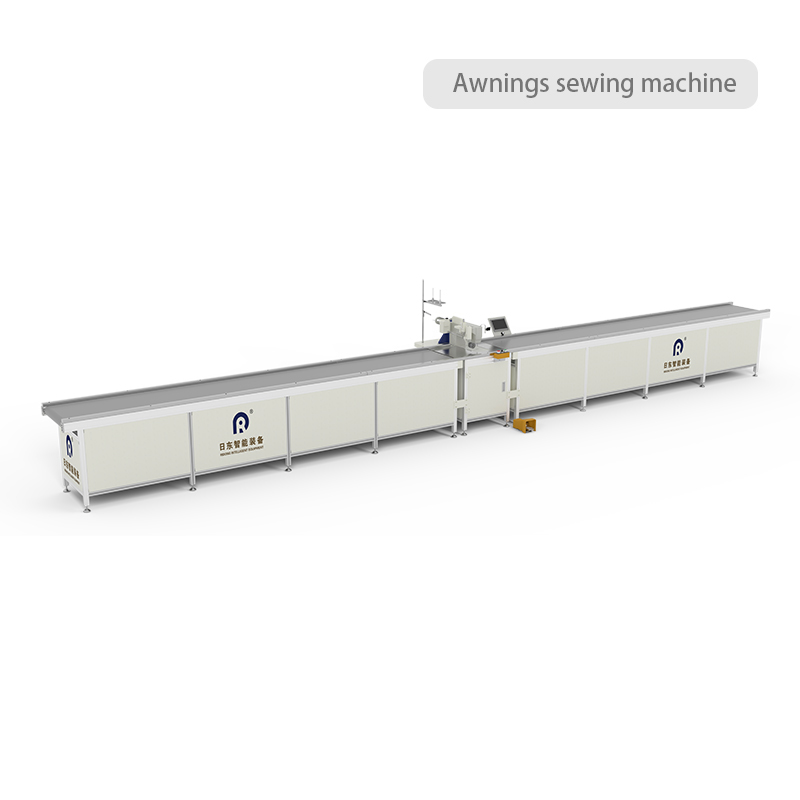
Why a Dedicated Awnings Sewing Machine Is Critical for Heavy-Duty Fabric Work
Structural Demands of Awning Fabrics: Vinyl, Acrylic, and Marine-Grade Canvas
Outdoor awning materials face serious environmental challenges on a daily basis. Think about UV radiation damage, winds that can blow harder than 50 miles per hour, and temperature changes ranging anywhere between minus twenty degrees Fahrenheit all the way up to 120 degrees. For fabric to last for many years, it needs certain properties. Marine grade canvas around 12 ounces per square yard works well, as does acrylic coated polyester at roughly 10 ounces, and reinforced vinyl which typically ranges from 8 to 14 ounces. These materials must withstand tension forces above 200 pounds per inch. What makes awning fabrics different from regular clothing is how important seam strength really is. Normal stitching just doesn't cut it when exposed to repeated stress. When seams start to fail gradually, standard lock stitches tend to come apart over time. According to ASTM D751 tests, bad sewing jobs can reduce seam strength by nearly half, which means faster wear and tear exactly where the fabric experiences the most pressure.
How Standard Sewing Machines Fail on 8–12 oz Fabrics – Needle Breakage, Skipped Stitches, and Motor Strain
Regular home sewing machines meant for lighter fabrics (anything below 6 ounces) just can't handle awning materials. The needles break easily if they're smaller than size 14 when trying to go through multiple layers of thick vinyl between 8 and 12 ounces. And those standard presser feet don't apply enough pressure, so the fabric layers shift around as it goes through, making all the seams come out crooked. Most consumer level machines only push with about 5 pounds of force, but industrial ones need at least 30 pounds to work properly, which quickly burns out regular motors. When working with acrylic canvas over 3mm thick, expect way more skipped stitches too - maybe three times what normal would be - and that creates spots where water can get through. For serious awning work, nothing beats a dedicated sewing machine built specifically for this task. Look for one with hardened steel hooks, a real industrial motor rated at half horsepower or better, and presser feet that can apply twenty pounds of downward pressure or more.
Key Features of a True Awnings Sewing Machine
Walking-Foot and Compound-Feed Systems: Ensuring Consistent Feed Through Thick, Slippery Layers
Awnings sewing machines designed for serious work come equipped with synchronized feed systems that make all the difference when dealing with those slippery, heavy duty fabrics. Regular sewing machines typically depend only on bottom feed dogs, but these can really mess things up with materials like vinyl or marine canvas since they tend to shift layers and create uneven stitches. What sets true industrial machines apart is their combination of a walking foot that grabs the top layer while the compound feed mechanism moves everything at once. This clever dual action keeps everything from slipping around or puckering, even through thick 8 to 12 ounce materials, which means every stitch looks consistent throughout. Factory workers who don't have this feature often end up redoing about 40% of their work because seams just won't line up properly. Plus, the even distribution of feeding pressure actually puts less stress on the motor, so these machines last much longer when running nonstop through big production runs.
Heavy-Duty Needles (16/100–18/110) and Thread Compatibility for Optimal Seam Integrity
For awning sewing machines, getting the right combination of needles and threads matters a lot if we want them to keep performing well under all that industrial stress. Regular old #14/90 needles just snap when they hit those thick layers of acrylic fabric or reinforced canvas materials. That's why professionals go for the heavier duty 16/100 to 18/110 needles instead. These bad boys have stronger shafts and deeper grooves specifically designed to handle those tough UV resistant Tenara threads or bonded polyester stuff. They stay put even when running at crazy speeds between 1,500 and 2,000 stitches per minute without letting heat wreck the threads. Choosing the right thread isn't optional either. Those thin Tex 70 threads will definitely leave fabric looking all bumpy and uneven on heavy materials. Better stick with Tex 135 to 150 which fits nicely into the needle eye and creates proper tension across the whole seam. Getting this combo right cuts down on those annoying skipped stitches by about 30 percent too. Plus it ensures our work passes the ASTM D4355 test standards for strength when winds start blowing over 50 miles per hour.
Seam Construction Best Practices for Long-Lasting Awnings
Tenara Thread vs. Polyester: UV Resistance, Elongation, and ASTM D4355 Performance Data
The PTFE based Tenara thread really stands out when it comes to resisting UV damage. Testing shows no loss in tensile strength even after over 5,000 hours of accelerated weathering according to ASTM D4355 standards. Regular polyester threads tell a different story though, losing somewhere between 40 to 60 percent of their strength under similar testing conditions because they break down from sunlight exposure. What makes Tenara so special is how little it stretches when loaded - less than 1% elongation which means seams stay intact in tight installations. Polyester on the other hand stretches about 8 to 12%, causing problems over time. Plus, Tenara doesn't absorb water thanks to its hydrophobic properties, making it resistant to rot that often ruins gear in coastal areas. When looking at long term performance for outdoor structures, Tenara typically lasts well beyond 20 years while most polyester products need replacing every 5 to 7 years.
Heat Sealing vs. Sewn Seams in Vinyl Awnings: Strength, Durability, and Real-World Failure Analysis
Vinyl seams sealed with heat have decent initial strength around 25 to 30 pounds per inch but tend to get brittle after just 3 to 5 years under UV light. Real world testing indicates most problems with heat sealed awnings start at those tricky corner areas where temperature changes create stress points leading to peeling away from the material. Sewn seams made using special machines for awnings and UV resistant thread hold up much better over time, maintaining about 18 to 22 pounds per inch strength even after a decade outdoors. These stitches spread out the stress along multiple lines instead of concentrating it in one spot. Another big advantage of sewn construction is that it allows for repairs when needed. Technicians can reinforce grommets, adjust hems, or strengthen corners right on site without needing to replace entire sections. For areas prone to strong winds, adding double lock stitching combined with reinforced corners cuts down tear risks by nearly 60% compared to traditional welding methods.
Precision Techniques Enabled by an Awnings Sewing Machine
Mitered Corners, Double-Fold Hems, and Grommet Reinforcement for Wind-Resistant Custom Sewing
A good awning sewing machine makes all the difference when it comes to getting those weatherproof results we want. Take mitered corners for instance they cut down on that annoying bulk where pieces meet, so the tension spreads out nicely over the vinyl or acrylic material instead of bunching up somewhere. And this matters because if there's any spot where wind can catch hold, that's usually where things start to tear apart. Then there are those double fold hems which really require a special kind of feed system on the machine. These hems wrap around the edges completely, keeping water from sneaking in through gaps and stopping the layers of fabric from coming undone over time. Most regular machines just cant handle this level of detail work.
Grommet reinforcement demands exact needle placement through multiple layers. Industrial machines drive size-18 needles through brass grommets without deflection, securing anchor points rated for 50+ mph gusts. Field data from coastal installations shows that properly reinforced corners and hems reduce seam failures by 72% (Marine Fabricator, 2023).
| Technique | Function | Wind Resistance Impact |
|---|---|---|
| Mitered Corners | Eliminates diagonal stress points | Prevents corner tearing |
| Double-Fold Hems | Seals edges against moisture | Reduces UV degradation by 40% |
| Grommet Reinforcement | Distributes pull forces | Withstands 200+ lb tension loads |
FAQs
Why is a dedicated awnings sewing machine necessary?
A dedicated awnings sewing machine is essential for handling heavy-duty fabrics, ensuring strong seam strength that can withstand environmental challenges and stress.
Can regular sewing machines manage 8–12 oz fabric?
Regular sewing machines typically fail with 8–12 oz fabrics due to needle breakage and motor strain; they aren't designed for the pressure demands needed for thick fabric layers.
What are the key features of an awnings sewing machine?
Key features include walking-foot and compound-feed systems for consistent feeding, heavy-duty needles, thread compatibility, and industrial-grade motors.
Why are Tenara threads preferred for sewing awnings?
Tenara threads offer superior UV resistance and less elongation, ensuring seam integrity and long-lasting performance compared to regular polyester threads.
What techniques can enhance wind resistance in custom sewing?
Techniques like mitered corners, double-fold hems, and grommet reinforcement enhance wind resistance by distributing stress evenly and preventing seam failures.