
 EN
EN
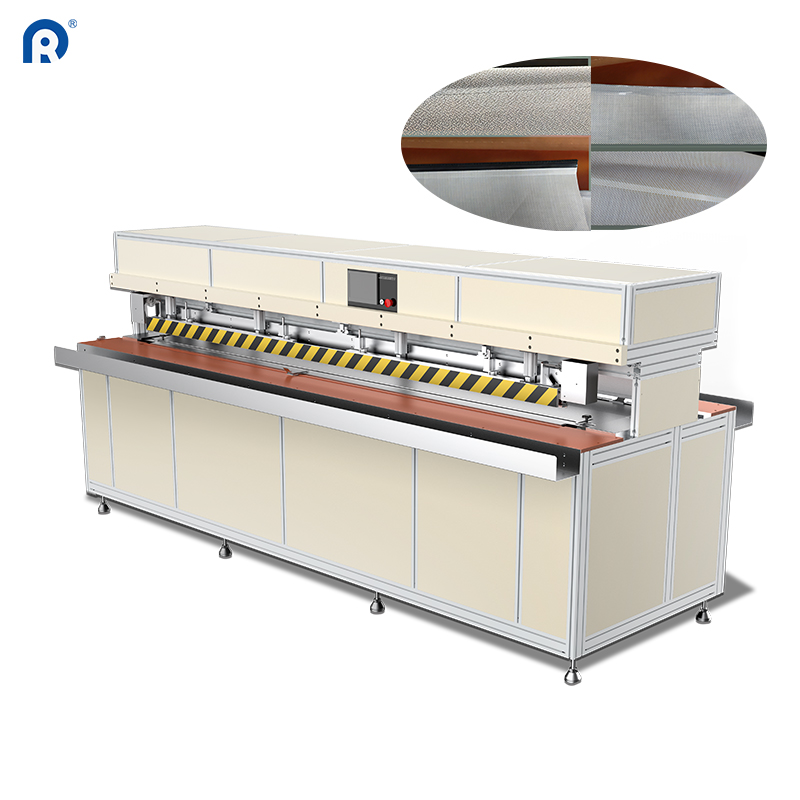
Why Fabric Welding Machines Outperform Traditional Bonding Methods
The Limitations of Sewing and Adhesives on Thermoplastic-Coated Fabrics
Needle holes from sewing definitely hurt both waterproofing and how strong the seams are, which matters a lot for things like inflatable structures, boat covers, and industrial containment bags where tiny leaks can completely ruin functionality. Regular thread just doesn't hold up well when exposed to sunlight or chemicals, so those seams tend to weaken as time goes on. Glue has its own problems too. Extreme temperatures either make it brittle or too soft, and moisture gets into the bond, causing it to peel apart. A recent study from 2023 showed that glue bonds lost about 40% of their strength after only six months in damp conditions. Compared to welded seams, stitches and glued areas put all the pressure on specific spots, making them wear out faster. We see this issue clearly in applications that require lots of tension, such as large membrane structures used in architecture, highlighting why there's still a big gap in reliable connection methods.
How Thermal Energy Transfer Enables Leak-Proof, Reinforced Seams
Fabric welding machines get rid of those pesky holes completely by heating up the thermoplastic coatings until they melt together. What happens next is pretty cool - when the plastics fuse at a molecular level, they form strong bonds across the whole surface area. This means stress gets spread out rather than concentrated in one spot where it might fail, unlike what happens with sewing or gluing techniques. RF welding really stands out here because it uses electromagnetic waves to target specific polymer chains in materials like PVC and PU. When these layers melt together under pressure, they create something remarkable. The end result? Seals that won't let anything through, standing up against water damage, sun exposure, and even harsh chemicals. According to tests done in the field, these welded connections keep about 95% of their strength after five years on the job. That's way better than the 60% we see with regular stitching. No wonder so many industries rely on this method for things like building structures, making safety equipment, and manufacturing inflatable devices that need to last.
Choosing the Right Fabric Welding Machine: RF, Ultrasonic, Hot Air, and Impulse Compared
RF Welding for Airtight, High-Strength Bonds in PVC and PU Applications
RF welding works by getting those polarized molecules in thermoplastics excited through electromagnetic energy, creating bonds at the molecular level. This method really shines when working with materials like PVC and PU, making seals so tight they can handle over 50 psi pressure without issues. No need for needles, threads, or glue means the resulting joints are completely seamless. That matters a lot in applications such as medical fluid containers, inflatable boats, and protective cases where even the smallest leak just won't cut it. The way RF distributes energy evenly helps maintain good weld quality even on complicated shapes and multiple layers, which makes sense for manufacturers looking to balance precision with the ability to scale production up or down as needed.
Ultrasonic and Impulse Options for Thin Films and Heat-Sensitive Materials
Ultrasonic welding works by using those high frequency vibrations to create frictional heat right where it's needed, which bonds materials together in just over a second without heating up everything around them. This makes it great for working with really thin stuff like films thinner than half a millimeter, plus materials that get damaged easily when exposed to heat such as polyethylene or polypropylene. Then there's impulse welding too, which delivers short bursts of heat through a special bar that gets hot by resistance, then quickly cools things down while applying pressure. These techniques can cut production time by roughly 60 percent compared to traditional hot air methods, all while using about 30 percent less power overall. Manufacturers love these approaches for jobs where both speed and temperature control matter most, whether they're making single use medical gear or putting together electronic cases, since nobody wants their products warped or distorted during manufacturing.
Material Compatibility Essentials for Reliable Fabric Welding Machine Performance
Weldability by Chemistry: Why PVC, PU, TPO, and PE Respond Predictably — But Polyester Doesn't (Unless Coated)
The chemical makeup of materials determines whether they work well with fabric welding equipment. Thermoplastics like PVC, PU, TPO and PE have special properties because their polymer chains rearrange themselves when heat is applied. Under pressure from the welding machine, these chains actually tangle together creating solid fusion points across the seam. The result? Stronger joins that hold up really well in practice. For instance, PVC and PU welds often reach about 90% of what the original material can handle before breaking, which makes them great choices for tough jobs such as inflatable safety barriers or heavy duty industrial linings. Regular polyester without any coating doesn't weld so easily though. Its crystal structure just won't let molecules fuse properly at typical welding temps around 482 degrees Fahrenheit (or 250 Celsius). That's why many manufacturers coat polyester fabrics first with something like PU or PVC. This creates a surface layer that melts during welding, turning otherwise non-weldable polyester into something that works much better for production purposes. Most experienced fabricators know this trick already based on years of trial and error in the field.
| Material Type | Welding Response | Key Characteristics |
|---|---|---|
| PVC/PU/TPO/PE | Predictable bonding | Amorphous or semi-crystalline polymers melt uniformly |
| Uncoated Polyester | Non-bonding | High crystallinity inhibits molecular entanglement |
| Coated Polyester | Controllable bonding | Thermoplastic coating enables surface-level fusion |
Verifying material composition before processing—particularly for technical textiles requiring waterproof integrity—is essential to avoid seam failure and ensure optimal machine performance.
Real-World ROI: Speed, Cost, and Seal Integrity Advantages of Fabric Welding Machines
Fabric welding equipment brings real improvements in several key areas including how fast things get made, what it costs in labor, and most importantly, how strong those seams actually are. These machines work by heating materials at the same time as bonding them together, which speeds up production anywhere between 30 to maybe even 50 percent faster than traditional sewing or gluing techniques. No need for extra steps like dealing with threads, applying glue, or waiting for stuff to dry anymore. Companies report cutting down on labor expenses quite a bit too since these automated systems can handle seam creation with fewer workers involved, sometimes saving around 60% on personnel costs while also reducing all that wasted time fixing poorly stitched seams. The real game changer though is the way heat fuses materials at a molecular level when working with certain plastics. This creates watertight connections that are absolutely necessary for products like inflatable structures, pond liners, and building membranes. According to industry reports, manufacturers see about an 80% drop in warranty issues compared to products made with regular sewing methods. Return on investment happens pretty quickly too, usually within 6 to 18 months thanks to faster production rates, less material waste, and no need to buy expensive sealing compounds. For anyone making high quality textiles, switching to fabric welding turns something that used to be a potential problem area into a major competitive edge instead.
FAQ
What are the main advantages of fabric welding over traditional methods?
Fabric welding offers leak-proof and reinforced seams, faster production, reduced labor costs, and significant savings in material waste compared to traditional sewing and adhesive methods.
Which materials are most compatible with fabric welding machines?
Thermoplastics such as PVC, PU, TPO, and PE are compatible with fabric welding machines, while uncoated polyester is not unless it is coated with a thermoplastic like PU or PVC.
How long do welded seams last compared to sewn or glued seams?
Welded seams maintain about 95% of their strength after five years, compared to around 60% for regular stitched seams.
What are the expected returns on investment when using fabric welding machines?
Most companies see a positive ROI within 6 to 18 months due to faster production, lower labor costs, and a decrease in warranty issues.
Can fabric welding be used for heat-sensitive materials?
Yes, techniques like ultrasonic and impulse welding are suitable for heat-sensitive materials as they apply targeted heat directly without affecting surrounding areas.
Table of Contents
- Why Fabric Welding Machines Outperform Traditional Bonding Methods
- Choosing the Right Fabric Welding Machine: RF, Ultrasonic, Hot Air, and Impulse Compared
- Material Compatibility Essentials for Reliable Fabric Welding Machine Performance
- Real-World ROI: Speed, Cost, and Seal Integrity Advantages of Fabric Welding Machines
-
FAQ
- What are the main advantages of fabric welding over traditional methods?
- Which materials are most compatible with fabric welding machines?
- How long do welded seams last compared to sewn or glued seams?
- What are the expected returns on investment when using fabric welding machines?
- Can fabric welding be used for heat-sensitive materials?