
 EN
EN
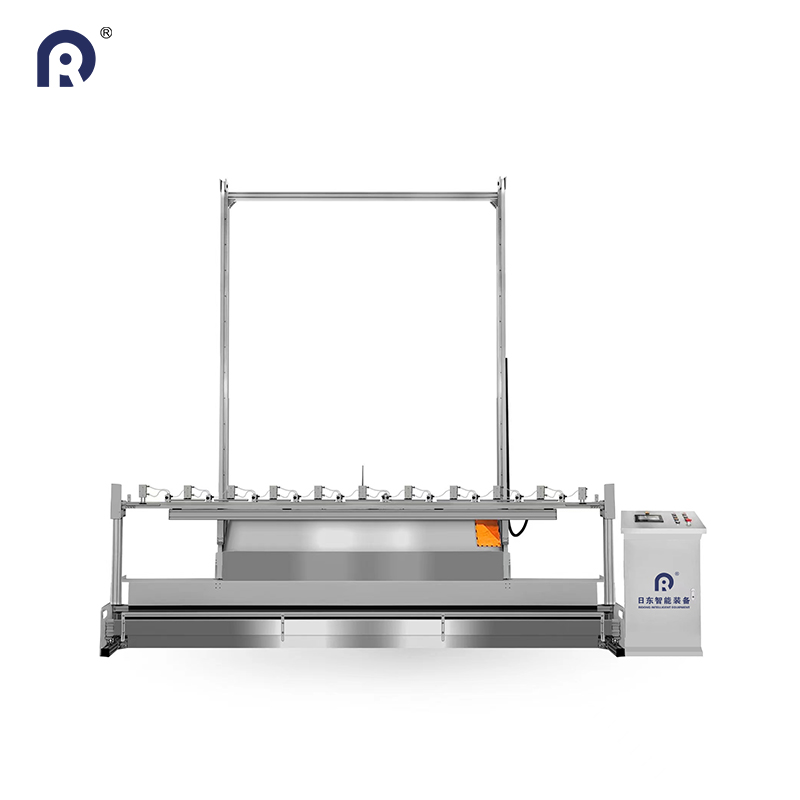
Precision Engineering: How Curtain Cutting Machine Design Prevents Dimensional Errors
Advanced motion control and servo feedback systems for sub-millimeter repeatability
Today's curtain cutting machines come equipped with closed loop servo systems that track position in real time, delivering around ±0.1 mm accuracy. What these systems do basically is keep checking where the blade actually is versus where it should be according to the program. They make tiny corrections at lightning speed - about 1,000 adjustments every single second. This basically gets rid of those annoying errors that used to build up over time because of things like mechanical play or temperature changes in older equipment. As a practical outcome, manufacturers get perfectly matching curtain panels one after another, something that just wasn't possible when people tried to do this work by hand.
Material-specific calibration: Compensating for fabric stretch, thickness, and layer compression
Modern curtain cutting equipment can tweak their settings automatically depending on what kind of fabric they're working with. The machines have built-in sensors that check things like how tight the material is, how thick multiple layers are stacked together, and how stretchy or stiff the fabric feels before making any cuts. When dealing with delicate materials like voile that tends to stretch out of shape, these smart systems slow down the cutting process and keep the fabric taut throughout. But when handling heavier blackout fabrics that don't give much, the machines simply apply more force to get clean cuts through thicker materials. All this adjustment helps avoid problems like loose threads at the edges, layers getting out of alignment during cutting, or finished products ending up different sizes than intended. As a result, factories report wasting about 30 percent less fabric overall compared to older machines that couldn't adapt to different materials.
Smart Automation: CNC, Vision Guidance, and Real-Time Adaptation in Curtain Cutting Machine Operations
CNC Curtain Cutting Machine Accuracy Benchmarks: ±0.2 mm vs. Manual or Semi-Auto Alternatives
Modern CNC curtain cutters can hold tolerances around ±0.2 mm, which is way better than what we see with manual cutting at ±3-5 mm or even semi-auto systems at about ±1.5 mm. The reason behind this kind of accuracy? These machines use closed loop servo controls that keep the cutting force steady and adjust feed rates as needed. Manual cutting just doesn't stand a chance when operators get tired and start applying uneven pressure or making small measurement mistakes over time. For people working in fabrication shops, these machines basically eliminate those annoying cumulative errors that build up during large batches. They also make sure patterns match perfectly across all panels in a project something absolutely essential for those fancy hotel installations and upscale home renovations where every detail matters.
AI-Powered Vision Guidance: Auto-Detection of Fabric Edges, Seams, and Pattern Shifts
Computer vision systems integrated into modern manufacturing rely on those CNN things (convolutional neural networks) to check materials at an impressive 120 frames per second. They spot issues like selvage edges going off track, seams that don't line up properly, and patterns that get shifted out of place right before any actual cutting happens. For printed fabrics specifically, these systems compare what they see against stored digital templates, then tweak the cutting path around any problems that pop up. This helps avoid those annoying situations where different pieces end up with mismatched designs after production. According to some industry reports from smart factories, this tech cuts down alignment mistakes by almost 92% when compared to older laser guide methods. And if something really bad shows up during inspection, the whole machine just stops dead in its tracks so operators can step in and fix whatever went wrong before precious fabric gets ruined.
Error-Proofing (Poka-Yoke) and Predictive Monitoring for Zero-Scrap Cutting
Today's curtain cutting machines incorporate error proofing techniques along with predictive monitoring systems that help reduce measurement mistakes and minimize wasted materials. These machines have built in physical barriers like alignment guides and laser positioning tools which stop them from working if the fabric isn't properly positioned. At the same time, internet connected sensors track how well motors are running and when blades start to wear down, catching problems before they lead to cutting errors. When there's unusual friction detected, the system sends out warnings so technicians can swap out worn blades before they start making frayed edges. The real magic happens through constant analysis of fabric tension during cutting, adjusting the path on the fly to account for differences between fabric batches. Putting these fail safe designs together with smart prediction technology allows factories to slash their waste levels dramatically, sometimes cutting scraps by as much as 90% compared to older methods.
Human-Machine Synergy: Optimizing Training, Workflow, and Operator Support
Maximizing productivity in curtain fabrication hinges on harmonizing machine precision with human expertise. While automation handles repetitive tasks, skilled operators remain indispensable for oversight, quality validation, and exception handling—reducing material waste by 18% compared to fully manual operations.
Standardized SOPs and digital job setup to eliminate misalignment from operator variability
When we talk about standardized operating procedures or SOPs, what we're really looking at is how these processes work best when backed up with visual guides on screens and setups stored in the cloud. Every operator gets exactly the same cutting parameters, fabric tension settings, and alignment protocols no matter who they are or where they sit on the production floor. No more guesswork here since everyone follows the same instructions down to the last detail. Dimensional problems? They disappear because there's no room for different interpretations of what should be done. Real time dashboards help out too. Instead of overwhelming workers with numbers they don't need right now, these displays show only the metrics that actually matter during each specific task. There's also this great feature where operators can point out material issues straight from their machine interface. That triggers automatic calibration changes without anyone having to manually adjust anything. What does all this mean for manufacturing? Well, think of it as turning years of experience into something measurable and repeatable. The system keeps getting better at cutting accurately over time, and companies report that new techies need about 40% less training before they start contributing meaningfully to production runs.
FAQ
What is the role of servo feedback systems in curtain cutting machines?
Servo feedback systems track the actual position of the cutting blade in real-time and make tiny corrections at high speeds to ensure sub-millimeter accuracy, preventing cumulative dimensional errors.
How do curtain cutting machines handle different materials?
Modern machines automatically adjust their settings based on the fabric type, utilizing sensors to compensate for fabric stretch, thickness, and compression during cutting, thereby minimizing material wastage.
How does AI-powered vision guidance enhance precision in cutting?
AI-powered vision guidance systems auto-detect fabric edges, seams, and pattern shifts using convolutional neural networks, significantly reducing alignment mistakes compared to older methods.
What is the significance of standardized SOPs in curtain cutting operations?
Standardized operating procedures eliminate misalignment caused by operator variability, ensuring consistent cutting parameters and fabric tension settings across all production tasks, leading to more accurate results.
Table of Contents
- Precision Engineering: How Curtain Cutting Machine Design Prevents Dimensional Errors
- Smart Automation: CNC, Vision Guidance, and Real-Time Adaptation in Curtain Cutting Machine Operations
- Error-Proofing (Poka-Yoke) and Predictive Monitoring for Zero-Scrap Cutting
- Human-Machine Synergy: Optimizing Training, Workflow, and Operator Support