
 EN
EN
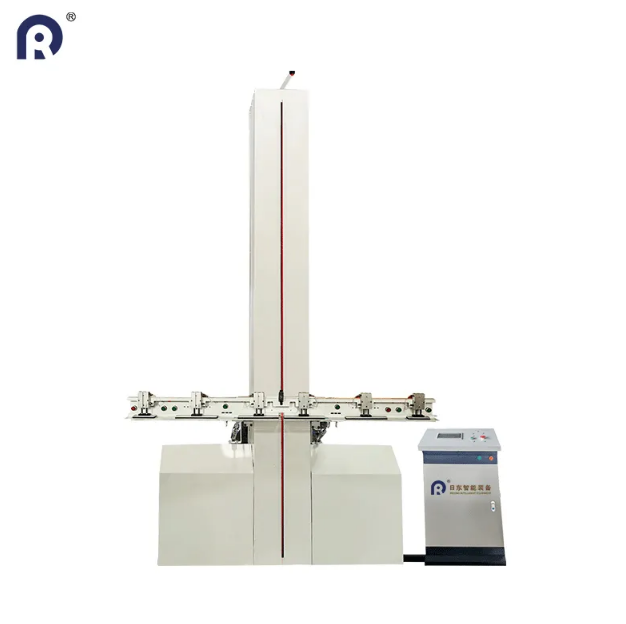
The Supplier Decision That Defines Production Success
Buying a curtain cutting machine isn't like buying a standard piece of shop equipment. The machine becomes the backbone of production—every panel that leaves the factory passes through it. Choose well, and it runs reliably for years, delivering consistent quality with minimal headaches. Choose poorly, and the cutting station becomes a chronic problem: downtime, quality issues, costly repairs, and production bottlenecks that ripple through the entire operation.
The curtain cutting machine market includes a wide range of manufacturers, from established global players to regional suppliers with varying levels of capability. Navigating that landscape requires more than comparing spec sheets. The right supplier brings not just a machine, but the support, training, and ongoing partnership that keeps production running.
Beyond the Spec Sheet: What Actually Matters
Specifications matter, but they don't tell the full story. Cutting speed, power consumption, and maximum fabric width are easy to compare. What's harder to assess—and ultimately more important—is how the machine performs over years of daily use in a real production environment.
Build quality reveals itself in the details. Is the frame welded or bolted? Are moving parts enclosed or exposed? What materials are used for wear components? Machines built with mild steel or aluminum frames resist vibration and maintain alignment over time. Machines with cheaper construction drift out of spec, requiring frequent recalibration and producing inconsistent cuts.
Serviceability matters as much as performance. When a machine goes down, how quickly can it be repaired? Are spare parts readily available, or does every repair require a weeks-long wait for overseas shipping? Suppliers with local service networks or well-stocked parts inventories offer a significant advantage over those who don't.
Documentation and training separate professional suppliers from those simply shipping boxes. Comprehensive manuals, clear troubleshooting guides, and proper operator training reduce downtime and extend machine life. Suppliers who treat training as an afterthought often leave customers struggling with preventable issues.
The Real Cost of a Cheap Machine
Low upfront cost is tempting, especially for shops watching every dollar. But the cheapest machine almost never turns out to be the least expensive over its lifetime.
Here's what the lifecycle cost calculation misses when buyers focus only on the purchase price:
Lower-priced machines often use inferior components that wear out faster. Bearings fail, motors overheat, control systems glitch. Each failure means downtime, and downtime means lost production. A cutting machine sitting idle for two days while waiting for parts can cost more in lost output than the price difference between a cheap machine and a quality one.
Maintenance intervals are another hidden cost. Cheap machines need more frequent attention—more lubrication, more adjustments, more part replacements. Over a five-year period, the cumulative maintenance cost on a budget machine can exceed the entire purchase price of a higher-quality alternative.
Then there's the quality impact. Inconsistent cuts mean more rework, more fabric waste, and more customer complaints. A machine that drifts out of tolerance by even half a millimeter can ruin panels that would otherwise pass inspection. When a shop produces thousands of panels annually, that waste adds up fast.
Evaluating Manufacturer Capability: A Practical Framework
Assessing a potential supplier requires looking at several dimensions beyond the machine itself. Here's a framework that experienced procurement teams use:
Production capacity and lead times: Can the supplier deliver within the required timeframe? Are they manufacturing to order, or do they maintain finished inventory? Suppliers with consistent production schedules and transparent lead times reduce project risk.
Quality control systems: What processes ensure that every machine leaving the factory meets specifications? ISO certification provides one indicator, but direct inspection of manufacturing facilities offers better insight. Suppliers who test machines thoroughly before shipment—running them through full production cycles—catch problems before customers do.
Technical support capability: What happens when something goes wrong? Is support available during the customer's production hours? Can technicians diagnose problems remotely, or does every issue require an on-site visit? Suppliers with responsive technical support reduce the cost and duration of downtime.
Installation and commissioning: Does the supplier handle installation, or is that left to the customer? Professional installation ensures the machine is set up correctly from day one. Commissioning services that include test runs and operator training prevent the "got the machine, now what?" problem.
References and track record: What do existing customers say? Suppliers with long-standing relationships and repeat customers demonstrate reliability. A supplier who can provide references from similar production environments offers more useful insight than generic testimonials.
A Case from the Field: The Southeast Asian Roller Blind Expansion
A roller blind manufacturer in Southeast Asia decided to expand capacity by adding a second production line. The company evaluated three suppliers: an established European manufacturer, a Chinese supplier with a growing international presence, and a local assembler offering the lowest price.
The European option delivered proven reliability but carried a premium price tag and longer lead times. The local assembler offered the lowest upfront cost but couldn't provide references from similar-scale operations. The Chinese supplier fell in the middle on price and demonstrated a track record of installations across the region.
The deciding factor wasn't the machine specs—all three met the basic requirements. What tipped the decision was the Chinese supplier's commitment to on-site commissioning and operator training. The supplier sent a technician to the factory for two weeks, overseeing installation, running test batches, and training the production team until they could operate the machine independently.
Six months later, the line was running at full capacity with minimal downtime. The local assembler's machines at a competing factory, by contrast, had suffered three breakdowns in the same period, each requiring days to resolve due to limited local support. The slightly higher upfront cost of the chosen supplier paid for itself many times over in avoided downtime.
What to Look for in a Long-Term Partner
The best supplier relationships extend beyond the initial purchase. A manufacturer that treats the sale as the beginning of a partnership—not the end of a transaction—delivers value long after the machine is installed.
Continuous improvement matters. Does the supplier incorporate feedback from customers into product updates? Are they investing in R&D to improve performance, reduce maintenance, or add features? Suppliers who evolve their products over time offer better long-term value than those who ship the same design for decades.
Supply chain stability affects parts availability. Suppliers with established supply chains and multiple sourcing options are less vulnerable to disruptions. When a critical component becomes unavailable, a resilient supplier finds alternatives quickly rather than leaving customers stranded.
Industry knowledge adds value beyond the machine itself. Suppliers who understand curtain manufacturing—the challenges, the trends, the common pain points—can offer practical advice that improves production processes. A supplier who asks about fabric types, order patterns, and quality requirements demonstrates the kind of engagement that leads to better outcomes.
The Verdict: Price Is What You Pay, Value Is What You Get
Choosing a curtain cutting machine manufacturer is not a commodity purchase. The lowest bidder rarely delivers the lowest total cost of ownership. The highest-priced option isn't always the best value either. The right choice balances upfront cost against reliability, support, and long-term performance.
For shops scaling up production, the consequences of a poor supplier choice extend beyond the cutting station. Bottlenecks at cutting create delays throughout the factory. Quality issues from inconsistent cuts damage customer relationships. Frequent downtime erodes the confidence of the production team.
Ridong has manufactured curtain cutting equipment since 2007, serving customers in more than 100 countries. Their approach combines manufacturing capability with practical support—on-site commissioning, operator training, and responsive technical assistance that keeps production lines running.
Table of Contents
- The Supplier Decision That Defines Production Success
- Beyond the Spec Sheet: What Actually Matters
- The Real Cost of a Cheap Machine
- Evaluating Manufacturer Capability: A Practical Framework
- A Case from the Field: The Southeast Asian Roller Blind Expansion
- What to Look for in a Long-Term Partner
- The Verdict: Price Is What You Pay, Value Is What You Get


