
 EN
EN
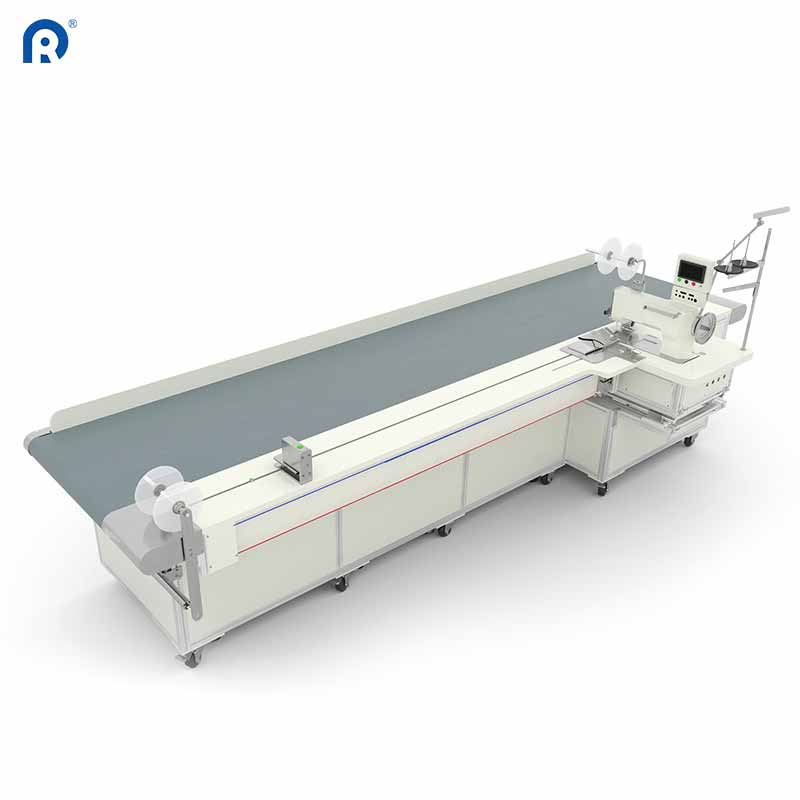
The Real Cost of Manual Cutting That Nobody Talks About
Walk into any mid-sized curtain shop that still relies on manual cutting, and the scene is almost always the same. A skilled cutter crouches over a long table, pressing down on a straight edge while running a rotary blade along the fabric. One slip, and that $200 roll of blackout material is scrap. Two minutes of measuring, another minute of double-checking, and maybe—if everything goes right—a clean cut. Now multiply that by 200 panels a day.
The hidden expense isn't just the labor hours. It's the material waste from mis-cuts, the rework orders that eat into profit margins, and the bottleneck that forms when cutting can't keep pace with sewing. A production manager at a medium-volume roller blind facility once tracked this for a month: manual cutting consumed 32% of total floor time and accounted for nearly 9% of fabric waste. That's not a rounding error—that's money walking out the door in scrap bins.
What Automated Cutting Actually Brings to the Floor
The shift to automated curtain cutters changes the math entirely. These systems—particularly the computer-controlled variants with ultrasonic or drag-knife capabilities—handle the repetitive precision work that human operators find tedious and error-prone.
Take the cutting accuracy spec: ±0.1mm. For context, that's roughly the thickness of a human hair. Manual cutting, even with a skilled operator and a straight edge, rarely holds better than ±2mm over a 3-meter length. That 1.9mm difference might not sound like much, but in curtain manufacturing, it adds up across multiple panels that need to match perfectly when hung side by side.
The real differentiator, though, is what happens at the edge. Ultrasonic cutting doesn't just slice—it simultaneously seals the fabric edge. For synthetic and blended materials that tend to fray, this eliminates an entire secondary operation. No more edge-binding or heat-sealing downstream. The cut is the finish.
A Mid-Sized Shop's Experience: From Bottleneck to Flow
A custom blind manufacturer in southern China—running about 400 panels daily—hit a ceiling with manual cutting in early 2025. Three cutters working staggered shifts couldn't keep up with two sewing lines. The backlog grew, lead times stretched, and rush orders became a constant headache.
The shop brought in an automated cutting table with a 3.2m × 6m working area and a 360-degree rotating cutting axis. The system runs off a PC-based controller with fabric databases and nesting optimization. Here's what changed in the first 90 days:
-
Cutting labor dropped from three full-time operators to one machine attendant
-
Throughput on the cutting station increased from roughly 15 panels per hour to 42
-
Fabric utilization improved by about 11%—the nesting software finds layouts the human eye misses
-
The backlog cleared within two weeks, and lead times shortened by 5 days
The operator who used to spend eight hours measuring and cutting now spends most of that time loading fabric rolls and monitoring the touchscreen. The machine does the heavy lifting; the human does the quality checking.
The Numbers That Matter: Speed, Precision, and Throughput
Here's a side-by-side look at what the data actually shows when comparing manual cutting to automated systems in a production environment. These figures come from real floor measurements across multiple shops that made the switch:
| Metric | Manual Cutting (Skilled Operator) | Automated Cutting Table | Improvement |
|---|---|---|---|
| Cutting accuracy (over 3m length) | ±2–3mm | ±0.1mm | 20–30x tighter |
| Average panels cut per hour | 12–18 | 40–50 | 2.5–3.5x faster |
| Fabric waste rate | 8–12% | 3–5% | 50–60% reduction |
| Rework due to cutting errors | 5–8% of production | <1% | 80%+ reduction |
| Operators needed per shift | 2–3 | 1 | 50–67% less labor |
The global automated fabric cutting machine market was valued at roughly $290 million in 2024 and is projected to reach $373 million by 2031, growing at a CAGR of 3.7%. That steady growth reflects what shops on the ground already know: the ROI math works, and the competitive pressure to automate is only increasing.
Where Automated Cutters Fall Short (And Why That Matters)
No machine is a silver bullet. Automated curtain cutters have real limitations that any shop should consider before buying.
First, material handling still requires attention. Fabrics with high stretch or very loose weaves can shift during the cutting process, even with vacuum hold-down systems. The machine compensates better than a human hand, but it's not magic—operators need to understand which fabrics need special settings or slower feed rates.
Second, the upfront investment isn't trivial. A full-size automated cutting table with ultrasonic capability represents a significant capital expense. For shops running fewer than 100 panels a day, the payback period stretches longer, and a semi-automatic or smaller-format machine might make more sense.
Third, maintenance matters. The cutting tools—whether ultrasonic horns, drag knives, or vibrating blades—have finite lifespans. Shops need to budget for replacement parts and periodic calibration. Neglecting this turns a precision instrument into an expensive frustration.
Making the Transition Without Disrupting Production
The smartest approach to adopting automated cutting isn't to rip out the old workflow overnight. Shops that succeed with this transition typically follow a phased plan:
-
Run the automated system alongside manual cutting for two to three weeks. This builds operator confidence and reveals workflow kinks before full reliance.
-
Start with the highest-volume, most repetitive cuts—the ones where consistency matters most. Roller blind panels, for instance, are ideal candidates.
-
Use the machine's data-logging features to track actual throughput and waste. Compare these numbers against historical manual performance. The data makes the case for expansion.
-
Train at least two operators on the system. Single-point dependency is a risk no production manager should accept.
The learning curve is real but manageable. Most operators with basic CNC or industrial equipment experience get comfortable within two weeks. The touchscreen interfaces on modern systems—with graphical menus and preset fabric databases—significantly reduce the training burden.
What to Look for in an Automated Cutting Solution
Not all automated cutters are created equal. Here are the non-negotiable features that separate reliable production tools from expensive toys:
-
Cutting area that matches maximum fabric width. A 3.2m width handles most roller blind and curtain panels without repositioning.
-
Multiple tool compatibility. Ultrasonic, drag knife, and punch options give flexibility across fabric types.
-
Nesting software. This isn't a luxury—it's where the material savings come from.
-
Network and USB connectivity. Offline operation matters when the network goes down.
-
Safety features. Infrared anti-collision and emergency stops aren't optional.
Shops that prioritize these features consistently report smoother integration and faster ROI. Those that chase the lowest price often end up replacing machines within two years.
For manufacturers evaluating these systems, Ridong offers a range of automated cutting and sewing solutions built around real production requirements. With over two decades in sunshade equipment manufacturing and a global footprint spanning more than 80 countries, the company's equipment reflects the kind of field-tested refinement that only comes from repeated iteration across diverse factory environments.
Table of Contents
- The Real Cost of Manual Cutting That Nobody Talks About
- What Automated Cutting Actually Brings to the Floor
- A Mid-Sized Shop's Experience: From Bottleneck to Flow
- The Numbers That Matter: Speed, Precision, and Throughput
- Where Automated Cutters Fall Short (And Why That Matters)
- Making the Transition Without Disrupting Production
- What to Look for in an Automated Cutting Solution


