
 EN
EN
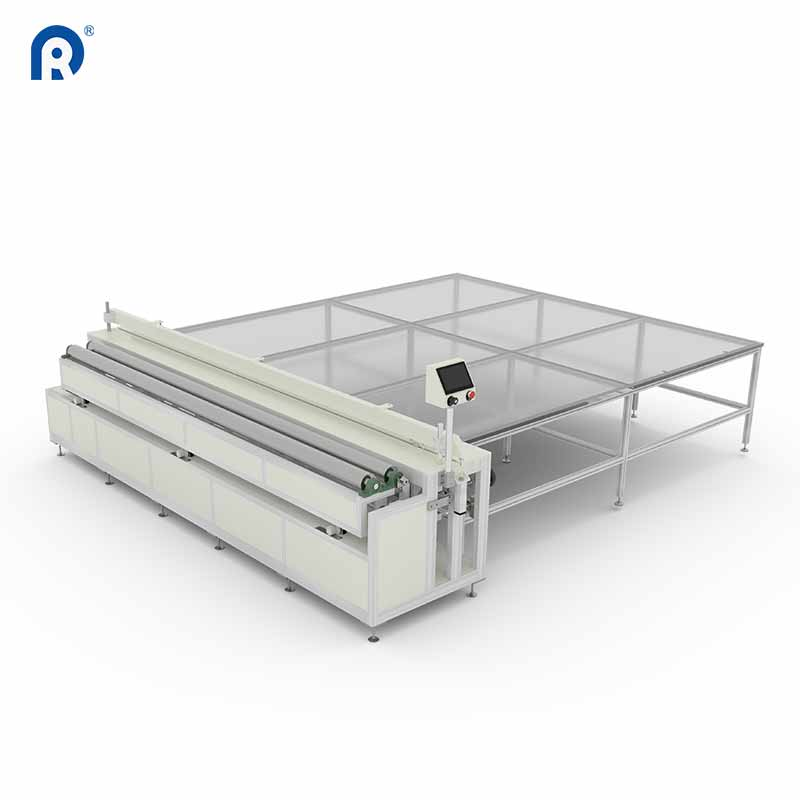
Core Cutting Technologies for Roller Blinds: Precision, Edge Quality, and Material Suitability
Cold Cut vs. Ultrasonic vs. CNC Vibrating Knife: Impact on Fabric Integrity and Edge Finish
Cold cutting relies on mechanical blades that produce nice clean edges without burrs when working with natural fibers and tightly woven materials. However, synthetic fabrics such as polyester and PVC tend to fray after this type of cutting. Ultrasonic tech works differently it creates high frequency vibrations between 20 to 40 kHz which both cuts and seals thermoplastic edges at the same time. This eliminates fraying issues completely without needing any glue or extra hemming steps. CNC vibrating knives are great for complex designs and layered composite materials, though they can sometimes squish or warp delicate solar fabrics or blackout textiles during processing. When making roller blinds, where how well those edges hold up makes all the difference for light blocking performance, smooth operation, and overall lifespan, ultrasonic cut and seal methods really shine. The numbers back this up too according to industry reports from last year, properly sealed edges cut down on maintenance problems after installation by around 17%.
Ultrasonic Cut-and-Seal for Thermoplastic Edges: Eliminating Fraying in Polyester and PVC Blinds
The go-to method for cutting synthetic roller blind materials these days is definitely ultrasonic cutting. We're talking about stuff like coated polyester, PVC, and those acrylic laminated fabrics commonly used in window treatments. What makes this technique stand out? The blade gets really hot at its tip (around 150 to 200 degrees Celsius) which actually melts and bonds the fibers together while making the cut. This creates a clean edge that won't fray after just one pass through the machine. Traditional cold cutting methods require all sorts of extra steps like hemming by hand, applying adhesive tape, or using thermal tape. These additional processes take time, money, and increase chances of defects. Factories that switched to ultrasonic systems have noticed something interesting too: about 22% fewer quality issues showing up in their blackout blinds. Why? Because the edges come out consistently sealed with the right depth and width every time they run production. For manufacturers working on motorized blinds or smart window coverings, this matters a lot. If the edges aren't uniform, problems happen when inserting them into roller tubes or worse yet, the whole mechanism might bind up during operation.
Why Laser Cutting Is Rarely Used for Roller Blind Fabrics
Laser cutting gets down to microns when it comes to precision, but there are serious issues with materials and safety that make it impractical for most roller blind fabrics. Synthetic materials release toxic fumes when cut this way, think hydrogen chloride coming off PVC, and the edges tend to burn and become brittle. This affects how well they block light and their fire resistance properties. The area around the cut gets heated too much, which weakens the coatings and can drop polyester strength by nearly a third. That means blinds might sag more over time and start peeling apart. Waterjets aren't much better since they bring moisture into play, causing fabric warping and swollen edges especially bad for those fancy coated or layered materials. Because of all these problems, manufacturers stick mainly to thermal methods like ultrasonics or mechanical approaches such as cold vibrating knives. These techniques keep edges intact, protect workers from hazards, work across different materials, even if they don't match laser's pinpoint accuracy.
Performance Metrics That Matter: Accuracy, Speed, and Waste Reduction
Tolerance Comparison: ±0.2mm (M1 Ultimate) vs. ±0.5mm (M1-PC) — Real-World Implications for Blind Fit
The amount of cutting tolerance really matters when it comes to how well something actually works, not just how it looks. Take precision machinery for instance. The top end stuff like the M1 Ultimate can stick pretty close to ±0.2mm accuracy. Standard models such as the M1-PC usually run around ±0.5mm instead. That tiny 0.3mm gap makes all the difference between blinds fitting snugly into window frames versus causing problems down the road with friction, light getting through gaps, or parts wearing out faster than they should. When dealing with blackout blinds specifically, anything over ±0.4mm starts letting in significantly more light – up to 40% according to some studies from Manufacturing Efficiency Review last year – plus there are more complaints about blinds sticking during operation which leads to roughly 15 to 20% extra service calls. Motorized systems benefit too because tighter tolerances mean less strain on gears and longer lasting actuators. Machines that hit those super precise measurements at the micron level tend to reject products about 30% less often compared to regular equipment. This kind of consistency ensures everything fits properly across different components including mounting brackets, roller tubes, and other interface points throughout the system.
Material Utilization Gains: How XY Linear Tables Reduce Waste by 8–12% vs. Manual Layout
Material waste drops dramatically when using XY linear tables equipped with smart nesting software. These systems constantly adjust how patterns are placed on fabric rolls, aligning grains properly and adapting to different widths as needed. Manual cutting often leaves behind 18 to 23 percent waste, particularly problematic with odd shapes or directional prints. Automated setups get utilization rates between 92 and 96 percent instead. That means saving about 1.2 meters from each 30 meter blind roll, which adds up to around $9,500 worth of fabric saved every year for companies making moderate volumes. The benefits go beyond just money too. Precise nesting helps avoid those annoying trapezoid distortions in printed fabrics and actually accounts for fabric stretch while cutting, cutting down on mistakes by nearly a quarter according to Textile Engineering Journal last year. For coated blinds made with thermoplastics, good nesting makes sure edges seal evenly across the whole product, maintaining proper heat distribution during manufacturing. This prevents weak areas forming that would eventually cause the coating to separate from the fabric base.
Comparing Top Automated Roller Blinds Cutting Machines
When choosing an automated roller blind cutting machine, there are really three main factors to consider: how precise it cuts, how much automation it offers, and what kinds of materials it can handle. The best machines typically maintain cutting accuracy around plus or minus 0.2mm. That kind of tight tolerance matters a lot for getting those blinds to fit just right, keeping out light properly, and making sure everything works smoothly with the motor parts later on. For manufacturers looking at options, ultrasonic cut and seal tech is something worth paying attention to. These systems stop edges from fraying when working with common thermoplastics such as polyester and PVC. Plus they save time because there's no need for extra finishing work after cutting, which cuts down on both labor costs and production delays.
Automation levels significantly impact throughput and labor efficiency:
- Semi-automatic systems reduce manual handling but still require operator input for loading, alignment, and pattern selection
- Fully automated solutions integrate CAD-driven nesting, auto-feed rollers, and vision-assisted registration—cutting labor costs by 30–40% and enabling sustained output of 25+ blinds per hour
- Advanced XY material handling boosts fabric utilization by 8–12% versus manual layouts (Industry Efficiency Report, 2023)
Versatility when it comes to materials is just as important as anything else. Top quality machines handle pretty much every kind of blind textile out there - think lightweight solar screens, intricate jacquards, heavy duty blackout fabrics, even tough PVC composites. These machines work on rolls up to 3.2 meters wide without losing track of their accuracy (within about half a millimeter) and they manage to seal those edges right during production. Don't go for systems that need constant tool changes or adjustments whenever switching between different fabrics though. Look for those integrated setups designed specifically for quick transitions between various densities, coatings, and fiber types without missing a beat.
Key Automation Features Driving Efficiency in Roller Blind Production
CAD Import, Nesting Algorithms, and Auto-Feed Systems: Reducing Labor and Setup Time
The automated systems used in modern roller blind cutting machines depend on three key components that boost production while cutting down on mistakes made by people: importing CAD files, smart nesting algorithms, and synchronized automatic feeding. When designers can directly import their CAD files into the system, it basically removes all those pesky manual measurements, digitizing processes, and scaling issues that usually creep in during setup. What happens next is pretty cool - the design stays exactly as intended when it gets translated into actual cuts on the material. Then there's the nesting software which is really advanced stuff. This software looks at different roll widths and repeating patterns to figure out how best to arrange everything on the fabric. Manufacturers report saving around 8 to 12 percent in material waste compared to when they did this manually. And let's not forget about the auto-feed systems either. These handle tension control, registration points, and the sequence of cuts so operators can walk away and come back later to find finished products ready for packaging, even when dealing with multiple orders at once. All together, these technological advancements translate into real money savings and efficiency improvements for shops looking to stay competitive in today's market.
- Labor reduction: 30–40% less manual handling and supervision
- Setup acceleration: Design changeovers completed in under 2 minutes
- Error minimization: Near-zero misalignment or oversize/undersize incidents
By removing manual layout, measurement, and alignment stages, manufacturers accelerate order fulfillment while sustaining consistent edge quality across polyester, PVC, composite, and coated fabrics—supporting both high-mix, low-volume customization and high-volume standardized production.
FAQs
What is the main benefit of ultrasonic cutting for roller blinds?
Ultrasonic cutting is beneficial for roller blinds because it cuts and seals the edges simultaneously, eliminating fraying without the need for additional hemming, adhesive, or thermal tape, particularly when dealing with synthetic fabrics like polyester and PVC.
Why isn't laser cutting commonly used for roller blind fabrics?
Laser cutting isn't usually applied to roller blind fabrics due to safety issues and incompetences with materials. When cutting synthetic fibers, it can release toxic fumes, like hydrogen chloride from PVC, and cause burned or brittle edges, compromising the fabric's integrity and light-blocking capabilities.
How does cutting tolerance affect roller blinds?
A higher precision in cutting tolerance ensures better fit and functionality of roller blinds. For instance, a tolerance within ±0.2mm helps maintain snug fitting, prevent light leakage, and reduce mechanical wear and tear, important for both blackout blinds and motorized systems.
What role do XY linear tables play in reducing material waste?
XY linear tables with smart nesting software optimize the placement of cutting patterns, significantly reducing material wastage by aligning patterns to make the most of fabric rolls and accommodate varying widths, which might reduce waste by 8–12% compared to manual layouts.
What should manufacturers consider when selecting an automated roller blind cutting machine?
Manufacturers should prioritize machines that offer high precision (around ±0.2 mm), automation (for reducing labor costs and errors), and versatility in handling various fabric types without frequent tool changes, ensuring seamless transitions between different materials.
Table of Contents
- Core Cutting Technologies for Roller Blinds: Precision, Edge Quality, and Material Suitability
- Performance Metrics That Matter: Accuracy, Speed, and Waste Reduction
- Comparing Top Automated Roller Blinds Cutting Machines
- Key Automation Features Driving Efficiency in Roller Blind Production
-
FAQs
- What is the main benefit of ultrasonic cutting for roller blinds?
- Why isn't laser cutting commonly used for roller blind fabrics?
- How does cutting tolerance affect roller blinds?
- What role do XY linear tables play in reducing material waste?
- What should manufacturers consider when selecting an automated roller blind cutting machine?