
 EN
EN
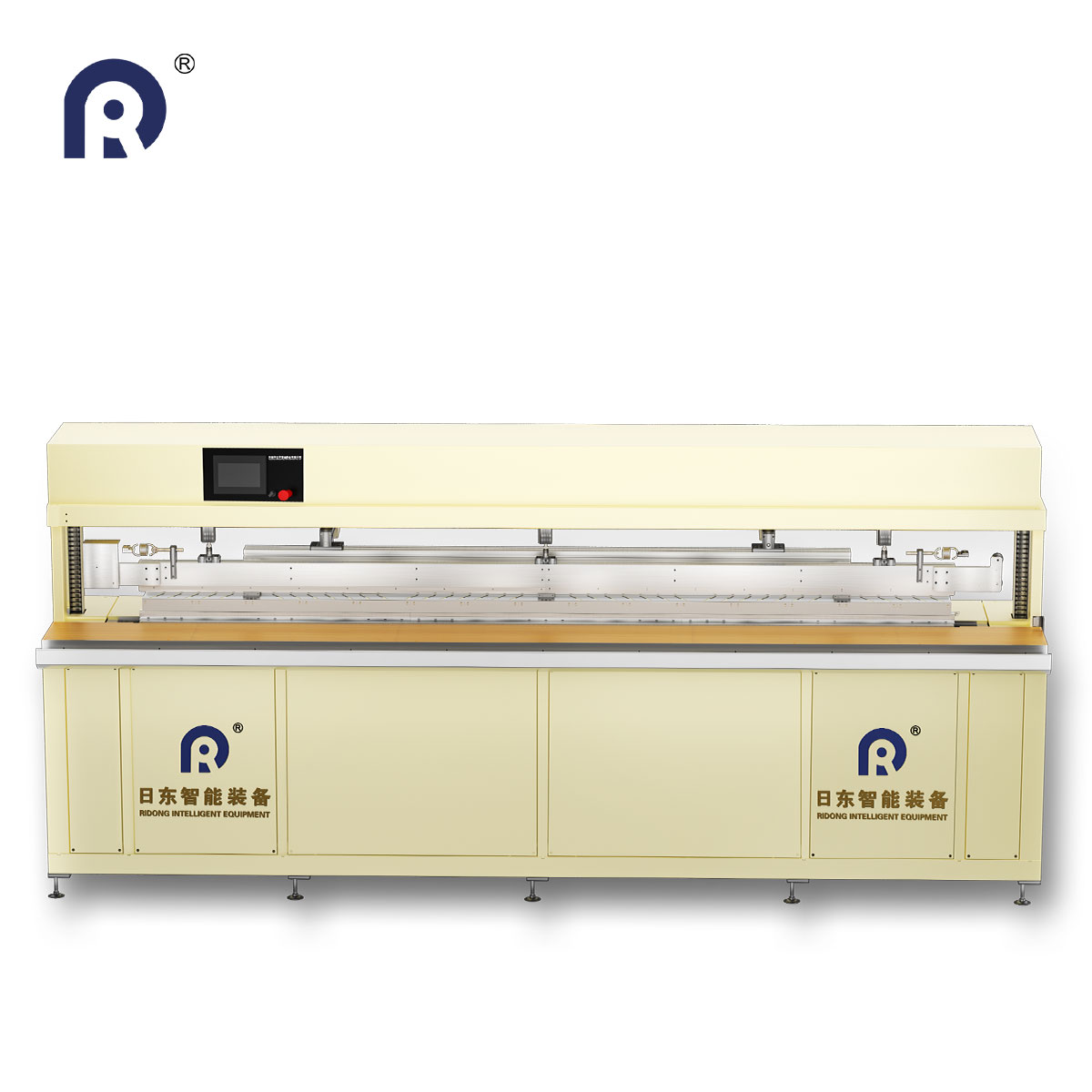
Core Mechanism: How the Roller Blind Welding Machine Ensures Structural Integrity
Precision thermal bonding replaces mechanical fasteners at rail-tube junctions
Most traditional roller blinds still use screws or rivets to connect rails to tubes. These metal fasteners actually create problems over time because they concentrate stress right at those connection points. What happens? Tiny cracks start forming around drill holes where water gets trapped and rust begins its work. That's why many manufacturers are turning to welding machines specifically designed for roller blinds. These machines melt the materials together at their contact points, creating strong bonds at the molecular level without needing any drilling or additional hardware. The result is a completely smooth joint that keeps moisture out and spreads wear evenly throughout the connection area. Real world testing along coastlines has shown something pretty impressive too. Welded joints fail only 37% as often as regular screw-based connections according to recent studies from the Durability Institute (2023). This means longer lasting products that maintain their sleek appearance without unsightly hardware showing through the fabric.
Welded vs. riveted/screwed joints: tensile strength and fatigue resistance (ASTM D1876 & ISO 1421)
When it comes to mechanical strength, welded joints really stand out compared to other connection methods. According to ASTM D1876 peel test results, aluminum tubes that are welded can handle about 38 percent more tension before they start to deform than those held together with rivets. The numbers get even more impressive when looking at fatigue resistance. Under ISO 1421 testing conditions, welded parts last through over 12,000 stress cycles, which is roughly three times longer than what we see with screwed joints. What makes welding so effective? The heat actually fuses materials together at a molecular level, creating a uniform bond that doesn't have those weak spots where cracks tend to form around screws or bolts. For structures exposed to strong winds, this matters a lot. After running accelerated aging tests that simulate wind speeds above 90 km/h, welded components still maintain around 92% of their original structural strength, making them ideal for applications where reliability in harsh weather conditions is critical.
Critical Component Integration: Welding Iron Bottom Rails to Steel and Aluminum Tubes
Metallurgical compatibility and process control for iron–stainless steel joints using pulsed MIG
When joining different metals like iron bottom rails with stainless steel or aluminum tubes, careful temperature control is essential to prevent the formation of brittle intermetallic compounds. Advanced roller blind welding machines equipped with pulsed MIG technology provide just the right amount of heat needed. This approach reduces distortion in the heat affected area while still achieving good penetration depth and keeping tensile strength well over 350 MPa according to ASTM standards. Such precise control makes sure the load transfers evenly at the connection point between rail and tube. This matters a lot for heavy duty applications where systems face constant wind pressure or need to operate frequently without failure.
Eliminating water ingress through seamless tube-to-rail welds—key for coastal and high-humidity installations
Seamless welds create completely sealed barriers unlike mechanical fasteners that naturally leave tiny gaps where salt spray and regular moisture can get in. This matters a lot along coastlines. Tests following ISO 1421 standards show products with seamless welds last around 8 to 12 years longer because they stop corrosion from starting inside the material. When working with aluminum tubes connected to iron rails, having a good weld seal becomes even more important. Without it, the different metals start reacting chemically with each other, causing damage much faster than if they were properly isolated.
Superior Seam Performance: Welded Fabric Hems Outlast Sewn Joints in Harsh Environments
UV, salt-spray, and thermal cycling validation: >92% seam strength retention after 5,000 hrs (ISO 4892-3, ASTM B117)
Fabric hems made by welding actually perform better than stitched ones when exposed to harsh outdoor environments, and this isn't just about small improvements either. The process involves fusing materials together at a molecular level rather than relying on threads. This eliminates problems where threads might break down from UV damage, get corroded by saltwater, or create weak spots where water can seep in and cause mildew growth. Testing according to industry standards shows these welded seams keep around 92% of their original strength even after enduring 5,000 hours of tough conditions including intense sunlight, salt spray tests, and temperature swings from freezing cold to scorching heat. Such proven toughness means these seams stay intact for years, handle strong winds without tearing, and resist damage from moisture buildup. For anyone working with tents, tarps, or other gear used near coasts, deserts, or areas with lots of sun exposure, welded construction has become the standard choice.
Material-Welding Synergy: Optimizing Corrosion Resistance Through Process-Matched Alloys and Coatings
Outdoor blinds have to deal with all sorts of environmental challenges including salty coastal air and harsh UV exposure. Just picking the right materials doesn't cut it when it comes to preventing corrosion. Real protection comes from combining different factors like what kind of...metal alloy is used, how surfaces are coated, and the specific temperatures during manufacturing processes. Take aluminum-magnesium alloys for instance. These work best when welded using pulsed MIG techniques which helps prevent those annoying galvanic reactions at connection points. Before welding, applying these special epoxy-ceramic mix coatings keeps everything stuck together even after repeated heating and cooling cycles. This creates a solid moisture barrier that won't blister or crack over time. Testing shows products made this way last about 40% longer than standard ones according to ASTM B117 standards. When manufacturers carefully control the heat applied during production, they maintain the coating's structure and make sure metals actually bond properly. This eliminates those weak spots where corrosion usually starts in the first place.
FAQ
Q: Why are roller blind welding machines preferred over traditional fastening methods? A: Roller blind welding machines create strong, moisture-resistant bonds at the molecular level, reducing the likelihood of rust and increasing durability compared to traditional fasteners like screws or rivets.
Q: How do welded joints compare to riveted joints in terms of strength? A: Welded joints can handle significantly more tension and have superior fatigue resistance compared to riveted joints, retaining structural integrity much longer under stress.
Q: Why is precise thermal control important in welding iron to stainless steel? A: It prevents the formation of brittle intermetallic compounds and ensures even load transfer at the connection point.
Q: How do welded seams improve performance in harsh environments? A: Welded seams maintain strength better in conditions such as UV exposure, salt spray, and temperature fluctuations than sewn seams, making them ideal for outdoor applications.
Q: What factors contribute to improving corrosion resistance in outdoor blinds? A: Using process-matched alloys, strategic coatings, and controlled welding techniques helps prevent corrosion and prolongs product lifespan.
Table of Contents
- Core Mechanism: How the Roller Blind Welding Machine Ensures Structural Integrity
- Critical Component Integration: Welding Iron Bottom Rails to Steel and Aluminum Tubes
- Superior Seam Performance: Welded Fabric Hems Outlast Sewn Joints in Harsh Environments
- Material-Welding Synergy: Optimizing Corrosion Resistance Through Process-Matched Alloys and Coatings