
 EN
EN
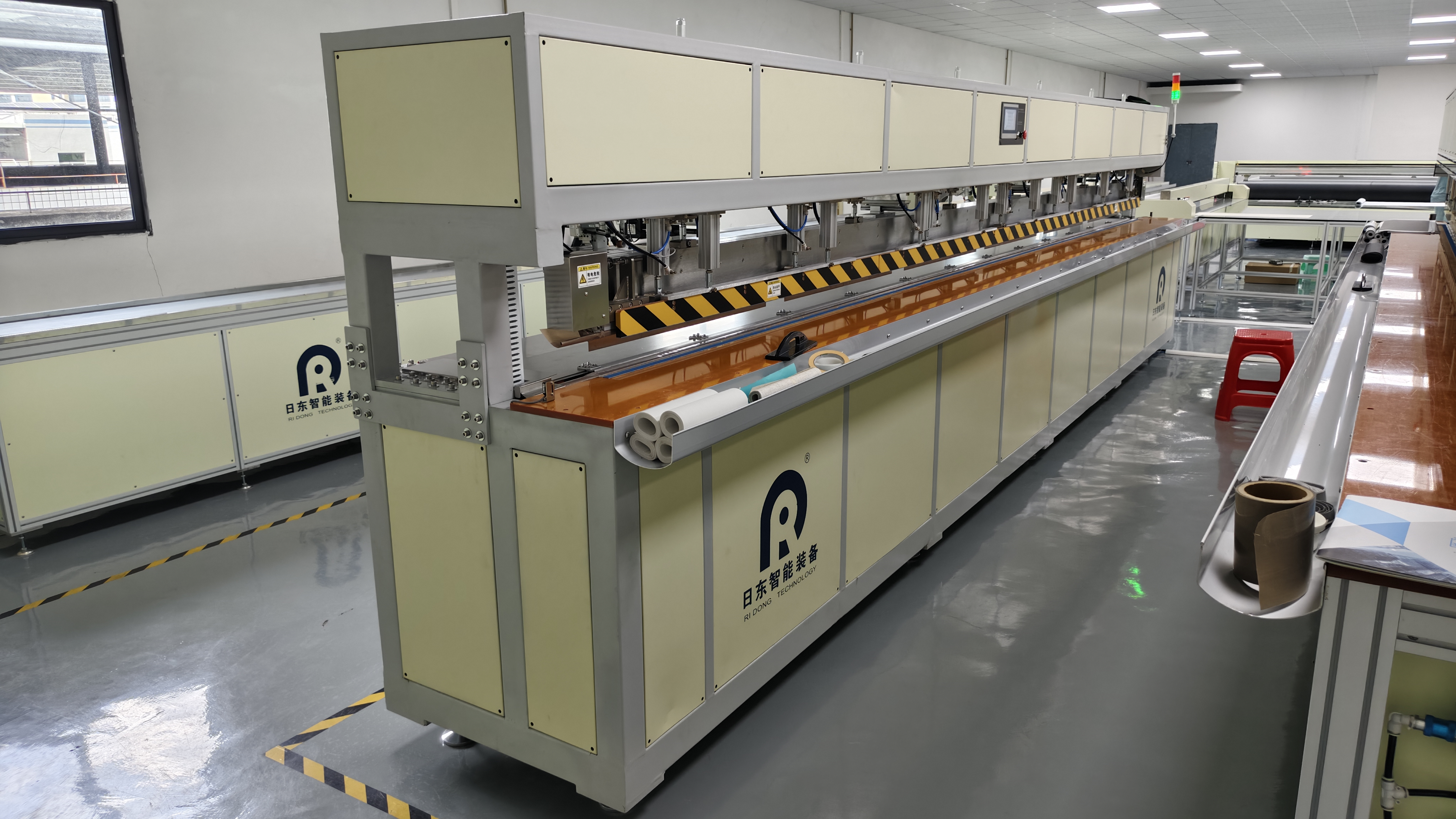
Core Principles of Fabric Welding: Heat, Pressure, and Molecular Fusion
Fabric welding gear works based on three main factors really heat, pressure, and what happens when molecules actually fuse together. What makes it different from regular sewing is that instead of threads, fabric welding melts the surface of thermoplastic polymers so they stick together once cooled while being pressed. How good the weld turns out really comes down to getting just the right amount of heat and pressure right on those materials. Too much or too little and the whole thing just doesn't hold properly in the long run.
Thermoplastic Polymer Behavior Under Thermal and Mechanical Stress
When thermoplastics like PVC, polyurethane, and polyester get warm they become soft again and then harden once cooled down. This property makes them work well with fabric welding machines since the heat melts just the edges of materials without actually burning them. But there's a catch here too. If temperatures go beyond what's recommended for these plastics, the molecules start breaking down and the material gets damaged. On the flip side, not enough heat means the pieces won't stick together properly either. That's why applying some kind of pressure while things cool is so important. The pressure helps the molecules lock together better at a microscopic level, which ultimately creates stronger seams instead of those flimsy ones that break easily under stress.
Dielectric Heating in RF Welding vs. Conductive/Convective Heating in Hot Air Systems
RF welding works through what's called dielectric heating. Basically, it sends high-frequency electromagnetic waves into materials, causing those polar molecules inside to vibrate and create heat from within. This makes RF welding particularly good at bonding materials like PVC and PU quickly and effectively. On the flip side, hot air welders and heated wedge systems take a different approach altogether. They work by transferring heat either through convection (hot air blowing over surfaces) or conduction (a heated metal bar pressing against material). While RF welding heats things up fast and evenly with little wasted energy, hot air systems have their own advantages too. Many manufacturers actually prefer them when working with materials that aren't so polar, like polyethylene, since these traditional methods tend to be more versatile in those situations.
Ultrasonic Energy Conversion: From High-Frequency Vibration to Localized Melting
In ultrasonic welding, electricity gets transformed into those fast-moving vibrations between 20 to 40 kHz via something called a resonant horn. What happens next is pretty neat these vibrations create friction right where materials meet, generating enough heat locally to melt plastics within fractions of a second without warming up everything else around them too much. Because the energy is so precisely targeted, there's minimal damage to nearby areas which keeps materials intact. This makes the process especially good for working with sensitive synthetic materials and fits well into automated production lines that need speed without compromising quality.
The Critical Role of Pressure in Achieving Weld Integrity and Seam Uniformity
When working with molten polymer, applying proper pressure does several important things at once. It helps consolidate the material, gets rid of those pesky air pockets, and makes sure everything sticks together properly on all surfaces. Getting this right requires consistent pressure from equipment like rollers, clamps, or those pneumatic actuators we see in many manufacturing setups. The result? Uniform seams that hold up under stress. On the flip side, if there's not enough pressure, we end up with layers separating or gaps forming in the seams. But go too far in the other direction and the material might actually get damaged, either warped shape or thinned out beyond what's acceptable. Most manufacturers find their sweet spot somewhere around 40 to 100 psi depending on what they're working with, though some systems definitely push these boundaries based on specific requirements.
Key Fabric Welding Technologies and How They Operate
Hot Air and Heated Wedge Welding: Nozzle Design and Continuous Feed Mechanics
In hot air welding, compressed air gets heated to around 750 degrees Celsius (that's about 1382 Fahrenheit) and blown through specially designed nozzles onto the area where two pieces meet. This process melts the thermoplastic layers by transferring heat through convection. Another approach called heated wedge welding works differently. It employs a metal bar that conducts heat very well, focusing all that thermal energy right at the spot where the materials come together. As the materials move through the system, pinch rollers keep steady pressure on them throughout. These techniques produce those long, uniform seams we need so much in applications like tents and other tensioned structures, inflatable products, and even geotextile fabrics. When something relies heavily on strong seams to function properly, these welding methods deliver reliable results time after time.
RF Welding: Electrode Configuration and Selective Polymer Activation
Radio frequency welding works by using electromagnetic energy between specially shaped electrodes, usually made from brass or copper plates, to create heat inside certain plastics. Unlike traditional methods that just warm up the surface, RF technology gets down to the molecular level, exciting the dipoles in materials such as PVC and PU so they melt evenly throughout the whole welding area. The shape of these electrodes actually follows the seam design, which means manufacturers can get really consistent and accurate seals every time. This matters a lot in industries like medical devices and safety equipment production, where even the smallest leak could be catastrophic. That's why so many companies rely on this method when quality control absolutely cannot be compromised.
Ultrasonic Welding: Horn Precision and Minimal Heat-Affected Zones
In ultrasonic welding, a specially shaped tool called a sonotrode sends out those fast vibrations between 20 and 40 thousand cycles per second right where the materials meet. The friction from these vibrations creates heat spots that melt the plastic parts almost instantly. What's really nice about this method is that all the energy stays focused on just the area being welded, so nothing around it gets damaged. That means important properties like how strong the fabric is, whether colors stay vibrant, and if things keep their shape after washing are all maintained. For this reason, many manufacturers find ultrasonic welding works best when dealing with delicate technical fabrics, smart clothes with built-in electronics, or production lines that need to run continuously without stopping for long periods.
Material Compatibility and Thermoplastic Response in Fabric Welding Equipment
Polar vs. Non-Polar Polymers: Why PVC and PU Excel in RF Welding
Whether materials work together depends largely on what kind of polymer we're dealing with. Take polar thermoplastics for instance, those would be things like PVC and PU. These materials have these little electric charges built right into their molecules. When exposed to electromagnetic fields, these charges line up and create heat inside the material through something called dielectric loss. The result? Faster heating all across the material surface and stronger bonds when using RF energy. On the flip side, non-polar stuff like polyethylene doesn't have these charges at all. That makes them pretty unresponsive to RF technology. Manufacturers working with these materials often need to switch gears completely, turning instead to hot air guns or ultrasonic welders which actually get the job done without relying on electromagnetic properties.
Welding PET, PA6, and PA66: Managing Crystallinity and Melting Behavior
Working with semi-crystalline thermoplastics like PET, nylon 6 (PA6), and nylon 66 (PA66) presents several unique problems because these materials have sharp melting points and tend to interact badly with moisture. Take PET for instance it has quite high crystallinity levels around 30 to 40 percent which means we really need to keep temperatures tightly controlled during processing otherwise things go wrong either through poor welds or burned material. Then there's the issue with nylons absorbing moisture from the air. When they're not properly dried beforehand, all that trapped water turns into vapor during welding and creates ugly bubbles or porous areas in the final product. To get good bonds with these materials, manufacturers need equipment that maintains steady temperature profiles, applies just the right amount of pressure, and includes drying systems or moisture sensors where necessary for proper results.
Selecting the Right Fabric Welding Equipment for Production Needs
Matching Weld Size and Seam Complexity to Machine Capabilities
When choosing fabric welding gear, start by matching what the machines can do with what needs to get done in production. Think about things like what kind of materials are being used, how thick they are, the shape of the seams, how many layers there are, and just how much stuff needs to be made. For thin stuff like polyester mesh, hot air systems usually work great. But when dealing with heavy coated fabrics, most folks find they need something stronger like hot wedge or RF technology to get proper penetration. Multi-layer seams tend to be tricky business. These complex jobs really respond well to machines with adjustable pressure settings and different electrode or horn setups. Big operations running nonstop? Continuous feed automation makes sense here. Small batches or custom orders? Manual or semi-auto platforms might fit better. And remember this important step: test everything out first! Run some sample pieces through the machinery under actual working conditions before making any big purchases.
Automation and Integration: PLC Controls and In-Line Quality Monitoring
Today's fabric welding setups combine programmable logic controllers, or PLCs, along with built-in quality checks to make the whole process more repeatable while cutting down on how much operators need to constantly monitor things. These PLC units remember all those fine-tuned settings for various fabrics and seam styles, which cuts down both the time needed to set everything up and reduces inconsistencies between batches. The system actually has several sensors working together behind the scenes including temperature monitors that track heat levels in real time plus cameras that scan for problems as the machine runs. If something goes wrong with the weld - maybe it's not fused properly, gets burned through, or the seam isn't consistent enough - the system will either tweak the parameters automatically or stop the line completely to prevent bad products from being made. Factories that have implemented these kinds of monitoring solutions are seeing around 30 percent reduction in wasted materials and about 40 percent better seam quality overall according to recent industry reports from last year. And scalability is another big factor here. Most modern systems come in modules so small shops can start simple and gradually add more automated features as their business expands and customer demands increase.
Optimizing Performance and Ensuring Weld Quality
Tuning Parameters: Balancing Temperature, Speed, and Pressure
Getting good welds comes down to balancing three key factors working together: temperature, speed, and pressure. The temp needs to hit that sweet spot where the polymer melts but doesn't break down. Most standard thermoplastics work well around 150 to 315 degrees Celsius, which translates to roughly 300 to 600 degrees Fahrenheit on the Fahrenheit scale. How fast we move during welding matters too because it controls how much heat gets into the material and how many parts can be produced. Typical speeds run between 1.5 and 6 meters per minute, or about 5 to 20 feet per minute, though these numbers change depending on how thick the material is and how much heat it holds. Pressure is what makes sure the pieces actually stick together properly. We usually apply somewhere between 40 and 100 pounds per square inch, adjusting based on what kind of material we're dealing with and the shape of the joint. When someone changes one setting, they need to tweak the others to keep things working right. If we crank up the speed, for instance, we might need to bump up the heat or squeeze harder to get decent welds. Modern machines with PLC controllers make all this easier since they remember proven settings for different jobs, saving time and reducing errors in production runs.
Quality Assurance: Leak Tests, Peel Strength, and Vision-Based Defect Detection
Quality control in manufacturing usually involves both destructive methods where samples get tested until they break, along with non-destructive approaches that check products without damaging them. When it comes to peel strength testing, manufacturers look at how well materials resist coming apart under stress. Most industries set their standards between roughly 5 to 15 pounds per inch (about 0.9 to 2.6 kilonewtons per meter). For things like inflatable gear or waterproof clothing, companies run tests that pump air into the product and see if it holds at around 2 to 5 psi without leaking anywhere. Another common test measures water resistance by seeing how tall a column of water the material can withstand before leaking starts, often looking for something above 10,000 millimeters. Some factories have started installing smart inspection systems these days. These setups use high-resolution cameras paired with computer algorithms to spot problems as they happen on production lines. The machines catch issues like weak seams, burnt areas from too much heat, or when stitching isn't aligned properly. What makes these systems stand out is their ability to detect almost all flaws, sometimes better than 99 percent accuracy rate. This means workers get instant alerts when something goes wrong, allowing them to fix problems right away instead of letting defective items pile up in waste bins or needing expensive rework later on.
FAQ
What is fabric welding?
Fabric welding is a technique used to join materials by melting the surface of thermoplastic polymers to create a bond once cooled and pressed, instead of using threads as in traditional sewing.
What are thermoplastic polymers?
Thermoplastic polymers are types of plastics, such as PVC, polyurethane, and polyester, that become soft when heated and harden once cooled, making them suitable for fabric welding processes.
Why is pressure important in fabric welding?
Pressure aids in consolidating materials, eliminating air pockets, and ensuring the pieces stick together properly, resulting in uniform seams that withstand stress.
What industries benefit from RF welding?
Industries like medical devices and safety equipment production heavily rely on RF welding for consistent and precise seals, crucial for maintaining high quality standards.
Table of Contents
-
Core Principles of Fabric Welding: Heat, Pressure, and Molecular Fusion
- Thermoplastic Polymer Behavior Under Thermal and Mechanical Stress
- Dielectric Heating in RF Welding vs. Conductive/Convective Heating in Hot Air Systems
- Ultrasonic Energy Conversion: From High-Frequency Vibration to Localized Melting
- The Critical Role of Pressure in Achieving Weld Integrity and Seam Uniformity
- Key Fabric Welding Technologies and How They Operate
- Material Compatibility and Thermoplastic Response in Fabric Welding Equipment
- Selecting the Right Fabric Welding Equipment for Production Needs
- Optimizing Performance and Ensuring Weld Quality
- FAQ