
 EN
EN
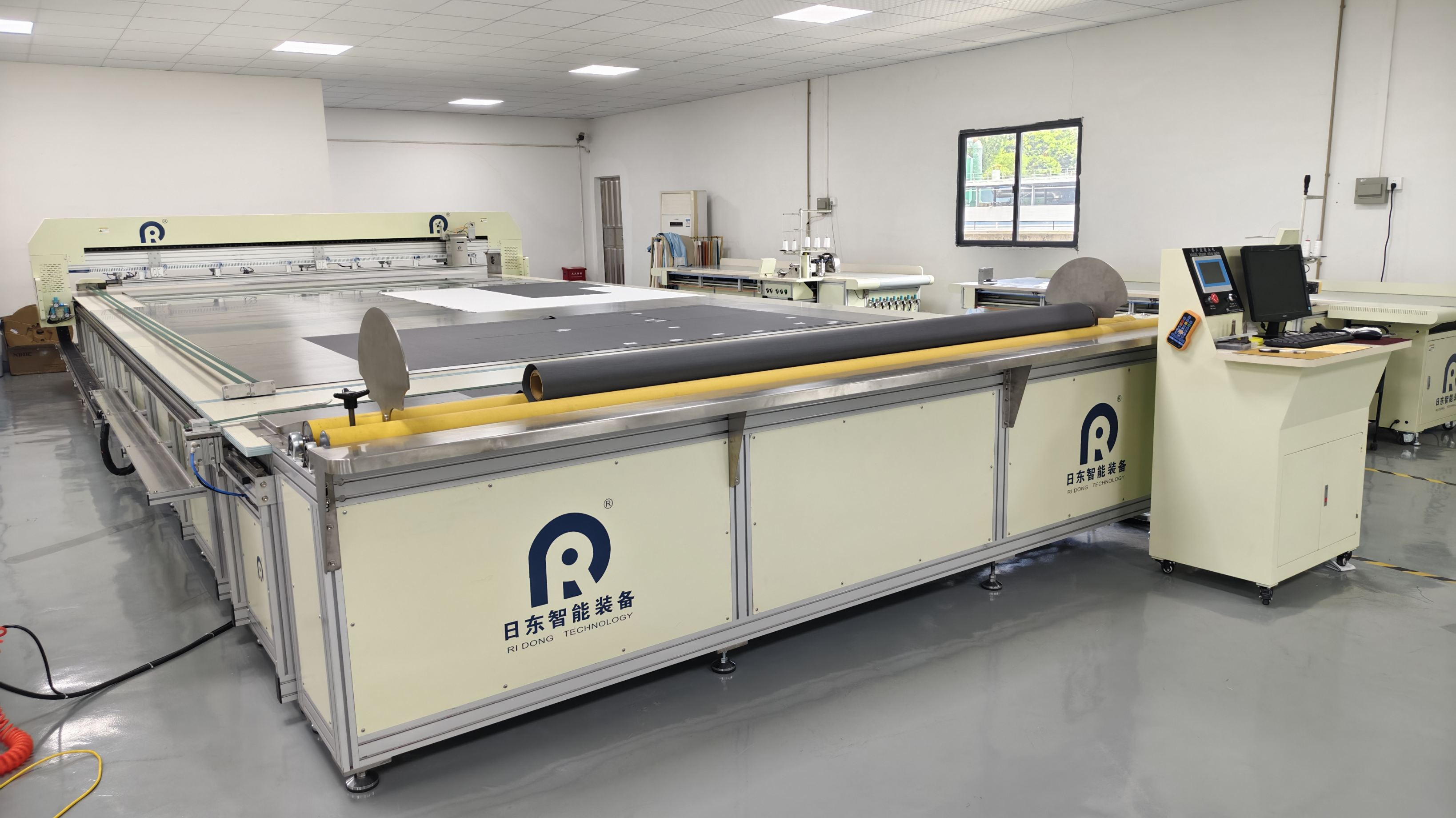
How Ultrasonic Fabric Cutting Machines Enable Fray-Free, Sealed Cuts
The science of thermal sealing during cutting: Why ultrasonic energy melts thermoplastic fibers at the edge
Ultrasonic fabric cutters work in the range of about 20 to 40 kHz, basically turning electricity into those fast moving vibrations we can't hear. What happens next is pretty interesting: these vibrations go through a special titanium tool called a sonotrode, creating lots of friction right where it touches the fabric. When dealing with stuff like polyester or nylon, this friction gets so hot it actually melts the polymer strands along the cutting path. As the cutting head moves over the material, those melted edges quickly cool down again, forming a neat little barrier that stops fraying. The best part? All this sealing happens while the actual cutting takes place, which means no extra steps after the fact. Fabric manufacturers love this because it gives them clean edges every time, whether they're working with pure synthetics or mixes of different fibers.
Comparison with mechanical blades: Eliminating fraying, delamination, and post-cut finishing
Mechanical blades work by applying physical shear force, while ultrasonic cutting actually seals fabric edges as it cuts something quite different that stops those annoying textile problems we all know too well. Regular cutting tools tend to create frayed edges, pull out fibers, and separate layers in technical fabrics and laminates. All this means extra work at the end of production lines, taking up about 22% of total manufacturing time according to Textile World from last year. The good news is ultrasonic systems completely avoid these headaches by creating clean sealed edges right away that hit ISO Class 5 standards without any extra processing needed. For manufacturers working with technical textiles and composite materials, this matters a lot because how clean those cut edges are really impacts how well the final product performs, stays safe, and lasts over time.
Core Technology Behind the Ultrasonic Fabric Cutting Machine
From electrical input to resonant vibration: Generator, transducer, and sonotrode synergy
Ultrasonic fabric cutting machines work through an interconnected setup where a generator takes regular 50/60 Hz electricity and turns it into those high frequency signals we're talking about here, somewhere between 20 to 40 kHz. These signals then get sent to piezoelectric transducers. Now, what happens next is pretty interesting because of something called the inverse piezoelectric effect. Basically, the transducers take all that electrical energy and turn it into very specific mechanical vibrations. There's also a titanium booster component in there that basically makes those vibrations stronger before they reach the actual cutting part known as the sonotrode. This whole system creates resonance that can produce controlled movements ranging from just 10 up to 100 microns in amplitude. What makes this technology so effective is how efficiently it transfers energy without much waste at all. Machines built this way tend to maintain their performance consistency even after going through thousands upon thousands of cutting operations without significant degradation in quality or speed.
Optimizing frequency (20–40 kHz) and amplitude for fabric-specific precision and throughput
Getting the right settings for frequency and amplitude depends heavily on what kind of materials are being processed. When working with higher frequencies around 35 to 40 kHz, the results tend to be much finer cuts with really narrow kerf widths. These settings work great for things like delicate synthetic fabrics and non-woven materials. On the flip side, going down to about 20 to 25 kHz gives much better cutting power needed for thicker technical textiles. The amplitude setting controls how fast things go and also affects the quality of the cut edges. Bumping up the amplitude does boost production speed, but there's always a need to watch out for possible heat damage during operation. Research shows that most manufacturers find sweet spots somewhere between 30 and 70 microns for amplitude. At these levels, machines can typically reach cutting speeds of around 12 meters per minute while still keeping those important edge seals intact at over 98% effectiveness, based on various studies looking at how different materials react to thermal sealing processes.
Performance Advantages: Speed, Accuracy, and Consistency in Production
3.2àfaster throughput vs. die-cutting in non-wovens – validated by ISO 9001 production data
Ultrasonic fabric cutters really boost productivity according to production stats from ISO 9001 certified facilities. These machines process non-woven materials about three times faster than standard die-cutting methods. Why? Because they run continuously without blades, so there's no need to stop for blade changes, alignments, or regular maintenance work. Plus, they come with built-in thermal sealing that takes care of edges right during cutting, skipping those extra finishing steps altogether. What does this mean for manufacturers? Less downtime, fewer workers needed on the line, lower energy bills, and smaller factory footprints for the same amount of output. Makes sense why so many shops are making the switch these days.
Sub-millimeter repeatability across 10,000+ cuts: Implications for automated garment and PPE manufacturing
The systems keep dimensional accuracy within fractions of a millimeter even when making over 10,000 cuts during production runs. This makes them work well with automated processes in factories. For clothing manufacturers, this kind of consistent output means robots can handle materials smoothly during assembly without causing fit problems or wasting fabric. When it comes to personal protective equipment, where small measurement errors can actually impact how safe the gear is, these machines ensure important parts like respirator seams, gaskets, and cut resistant layers all match the required specs from one production run to the next. And because they also operate quickly, manufacturers find it much easier to stay compliant with both medical device regulations and workplace safety requirements across different industries.
Material-Specific Applications: Technical Textiles, Synthetics, and Composites
Aerospace composites: Zero delamination at 12 m/min feed rate with ultrasonic fabric cutting machine
The aerospace industry relies heavily on composite materials like carbon fiber reinforced polymers and aramid laminates, but these need absolutely clean edges to maintain their structural integrity. Traditional mechanical cutting methods tend to cause all sorts of issues though. We've seen fiber pull out from the material surface, layers start to separate, which weakens the whole structure and leads to expensive fixes down the line. That's why ultrasonic cutting systems have become so popular lately. These machines work differently by using high frequency vibrations that actually melt the thermoplastic matrix right at the cut point. The result? Clean sealed edges without any of those mechanical stresses, and they can handle pretty fast feed rates too around 12 meters per minute. For parts that literally hold planes together in the air, having good edge quality matters a lot. It affects how long components last before they fail, whether bonds stay strong over time, and ultimately impacts passenger safety during flights.
Stretch fabrics (e.g., polyester-spandex): 98.7% edge integrity retention – research-backed results
Working with stretchy materials brings its own set of headaches because of how they tend to bounce back after stretching and their tendency to fray easily. Studies indicate that when using ultrasonic cutting techniques on polyester-spandex mixes, about 98 out of 100 times the edges stay intact since the machine actually melts the synthetic threads together along the cut line. This stops those annoying frays without messing up what makes the fabric stretchy in the first place. Traditional methods like hot knives or lasers can create problems too many manufacturers face daily. These older approaches often lead to overheating spots or even burning marks which ruin both the feel and appearance of the fabric. That's why so many garment makers now rely on ultrasonic technology for products ranging from athletic wear that needs to last through intense workouts to specialized medical apparel where patients need comfort combined with long lasting performance.
FAQ
What is the advantage of using ultrasonic fabric cutting technology over mechanical blades?
Ultrasonic fabric cutting technology seals the fabric edges as it cuts, eliminating fraying, delamination, and the need for any post-cut finishing.
How does ultrasonic energy help in cutting thermoplastic fibers?
Ultrasonic energy creates vibrations that generate friction, leading to melting of thermoplastic fibers at the edge, thus forming a sealed barrier that prevents fraying.
What industries benefit from ultrasonic fabric cutting machines?
Industries such as aerospace, garment manufacturing, and personal protective equipment manufacturing benefit from using ultrasonic fabric cutting machines due to their precision and speed.
How does frequency and amplitude affect the cutting process?
The frequency and amplitude settings are adjusted based on the material being cut. Higher frequencies result in finer cuts while amplitude affects production speed and quality of cut edges.
Why is dimensional accuracy important in automated manufacturing processes?
Dimensional accuracy ensures that robots can handle materials smoothly during assembly, preventing wastage and fit issues while maintaining regulatory compliance.
Table of Contents
- How Ultrasonic Fabric Cutting Machines Enable Fray-Free, Sealed Cuts
- Core Technology Behind the Ultrasonic Fabric Cutting Machine
- Performance Advantages: Speed, Accuracy, and Consistency in Production
- Material-Specific Applications: Technical Textiles, Synthetics, and Composites
-
FAQ
- What is the advantage of using ultrasonic fabric cutting technology over mechanical blades?
- How does ultrasonic energy help in cutting thermoplastic fibers?
- What industries benefit from ultrasonic fabric cutting machines?
- How does frequency and amplitude affect the cutting process?
- Why is dimensional accuracy important in automated manufacturing processes?