
 EN
EN
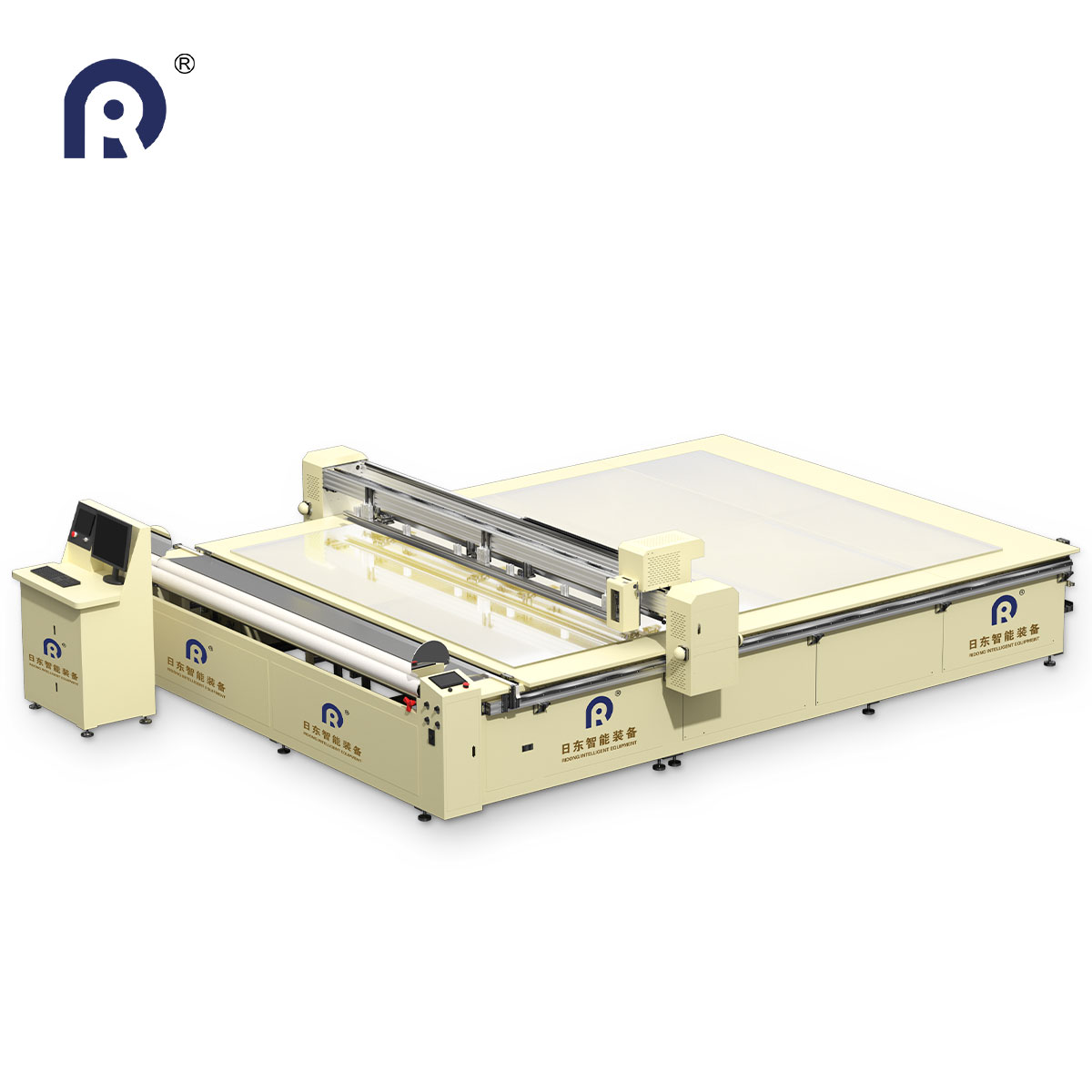
Core Working Principle of the Ultrasonic Fabric Cutting Machine
High-frequency vibration and localized energy transfer at the cutting interface
Ultrasonic fabric cutters work using fast moving parts that vibrate at around 20 to 40 thousand cycles per second. These vibrations come from special components called piezoelectric transducers which take electricity and turn it into physical movement. When the machine's blade touches the fabric, it creates a lot of friction right where they meet. This generates temperatures between roughly 40 and maybe even 120 degrees Celsius, but only at the very tiny point of contact. What happens next is pretty neat - the heat actually melts the fabric fibers without needing super sharp blades or heavy pressure pushing down. Since all this energy stays focused exactly where the blade meets the material, everything else around stays intact. That means fabrics like fine woven materials, stretchy knits, and even those layered non-woven stuff get cut cleanly without fraying or stretching out of shape.
Why 20–40 kHz frequencies optimize edge integrity and minimize thermal spread
The 20 to 40 kHz range is basically where things work best for most applications. At the lower end around 20 kHz, the waves have more power to get through thick stuff like layered filter materials. Move up to about 40 kHz and we gain better control over the process with less heat buildup, which matters a lot when working with delicate fabrics that might melt otherwise. What makes this whole thing possible is how fast these vibrations happen – somewhere between 20 thousand and 40 thousand times every second. The quick on-off pattern gives heat no chance to stick around, keeping it below 0.3 milliseconds before moving on. This short contact time stops fabric from burning while still making those clean seals along edges. Getting the right frequency isn't just about performance either. It helps avoid unwanted vibrations that can mess up the quality of specialized fabrics used in technical applications.
| Frequency Range | Material Applications | Thermal Exposure Time | Edge Seal Quality |
|---|---|---|---|
| 20 kHz | Heavy non-wovens, composites | 0.35 ms | Excellent |
| 35 kHz | Knits, synthetic blends | 0.25 ms | Optimal |
| 40 kHz | Light wovens, gauze | 0.15 ms | Superior |
Fray-Free Edge Sealing: The Defining Precision Advantage
Simultaneous cut-and-seal action eliminates unraveling in woven, knitted, and non-woven fabrics
What makes ultrasonic cutting so precise? It combines cutting action with fusion at the molecular level. When the tool vibrates, it actually melts and bonds the fibers right along the cut line, which seals everything up without burning or creating too much heat. The best part is how consistent this works on different fabrics. Whether dealing with tight denim weaves, stretchy knit materials, or those loose open weave non-wovens, there's no fraying after the cut. Manufacturers have tested these systems extensively and found they cut down on wasted material by around 18 to 27 percent compared to regular cutting techniques. That number gets even better when working with fabrics that tend to unravel easily since fraying becomes a thing of the past.
Enhanced dimensional stability for technical textiles, medical gowns, and filtration media
Ultrasonic cutting really shines in those situations where precision matters most. When it comes to medical PPE production, manufacturers can consistently hit around 0.3 mm accuracy while slicing through meltblown filtration layers. This kind of tight control is absolutely essential for keeping N95 masks intact and stopping unwanted air leaks. The same technology works wonders with aerospace materials too. After cutting, carbon fiber reinforcement stays aligned within about 1.5 degrees, which means the structural strength remains uncompromised. Another big plus? The sealed edges created by ultrasonic methods don't let moisture sneak through in hygiene products, and they hold up against hundreds of industrial washes without falling apart. These features tackle two major problems that plague traditionally cut fabrics in real world conditions.
Critical Operational Parameters That Govern Precision
Amplitude, pressure, feed speed, and sonotrode geometry – balancing heat, force, and fidelity
Precision hinges on four dynamically interdependent parameters:
- Amplitude (20–50 µm): Controls vibrational energy intensity. Higher values accelerate cutting but risk thermal damage to synthetics like polyester; lower amplitudes favor edge quality.
- Pressure (0.2–0.6 MPa): Ensures stable sonotrode-to-fabric contact without compressing or distorting delicate knits. Exceeding 0.8 MPa increases wear and edge deformation.
- Feed speed (5–30 m/min): Slower speeds risk overheating; faster speeds reduce fusion time and compromise seal integrity. Optimal rates maintain the cut-seal equilibrium.
- Sonotrode geometry: Tip radius, bevel angle (30°–60°), and horn design determine energy concentration. Narrow tips enable fine-detail work but require careful amplitude management to avoid charring.
| Parameter | Optimal Range | Effect on Precision | Thermal Risk Factor |
|---|---|---|---|
| Amplitude | 20–50 µm | Higher = faster cut, lower = cleaner edge | ↑ with increase |
| Pressure | 0.2–0.6 MPa | Ensures contact without distortion | ↑ beyond 0.8 MPa |
| Feed Speed | 5–30 m/min | Balances cut quality vs. productivity | ↑ below 5 m/min |
| Sonotrode Tip Angle | 30°–60° | Sharper = finer details, wider = durability | ↓ with wider angles |
Improper parameter synchronization contributes to up to 17% reject rates in medical textile production. A 2023 polymer study confirmed that optimized tuning reduces edge deviation by 0.05 mm compared to mechanical blades—and enables ±0.1 mm repeatability in laminated fabrics through real-time feed-speed adaptation to layer adhesion variances.
Real-World Precision Gains: Comparison with Mechanical and Laser Cutting
When it comes to cutting fabric, ultrasonic technology offers some real benefits compared to both mechanical and laser methods. Mechanical blades tend to pull out fibers and create frayed edges, which is a big problem when working on detailed designs or delicate materials. Plus, these blades get dull over time, so their cuts become less accurate as they wear down. Laser systems can achieve pretty good precision around 0.1 mm on stiff materials, but there's another issue. The heat from lasers affects a wider area than just the cut line itself. This causes problems with synthetics that melt or change color, and even warps some fabrics. Flexible textiles especially show edge distortion after laser cutting because of this thermal impact.
Ultrasonic tech works differently from other methods, combining contactless energy delivery with fast edge sealing that hits around 0.2mm accuracy on all sorts of fabrics without wearing down tools or needing extra processing steps. What makes this approach stand out is how it limits heat spread compared to laser systems, cutting it down roughly 70%. This helps keep fibers intact in delicate stuff like hospital gowns and filter materials where quality matters most. Another big plus? These systems cut down on waste significantly in technical fabric production, somewhere between 30% to maybe even half, while producing consistent seams free of fraying right when they come off the equipment.
FAQ
What is the main advantage of ultrasonic fabric cutting?
The main advantage of ultrasonic fabric cutting is its ability to simultaneously cut and seal edges, preventing fraying and maintaining structural integrity without excessive heat.
How does ultrasonic cutting compare to laser cutting?
Ultrasonic cutting limits heat spread significantly more than laser cutting, reducing thermal impact on materials and maintaining precision without tool wear.
What materials benefit most from ultrasonic fabric cutting?
Materials like fine woven fabrics, stretchy knits, and non-wovens, including technical textiles such as medical gowns and filtration media, benefit from ultrasonic fabric cutting.