
 EN
EN
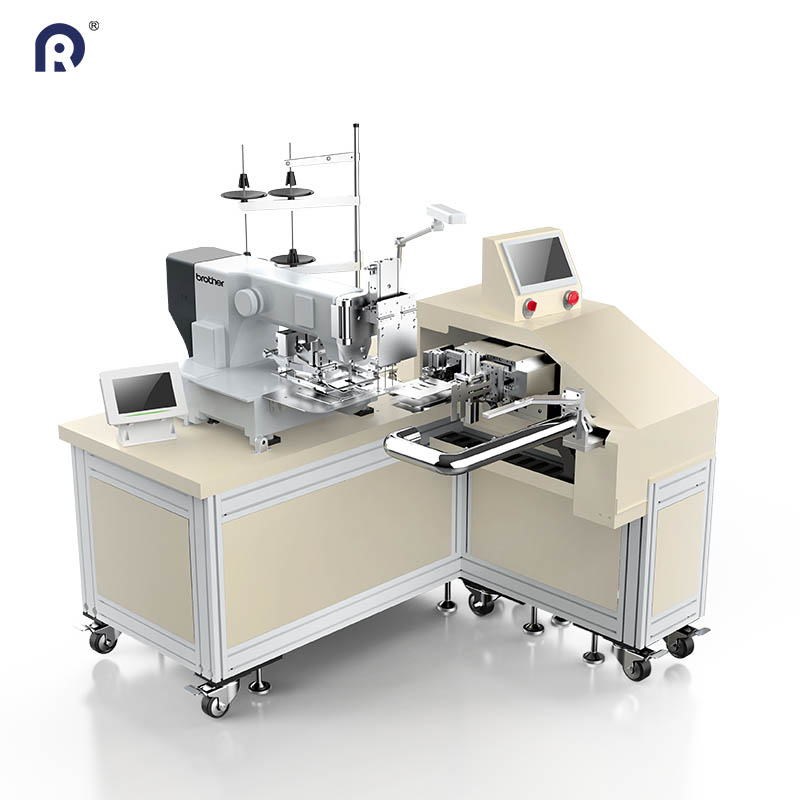
Core Mechanics of the Curtain Pleating Machine
Synchronized Feeding, Forming, and Securing Stages for Uniform Pleat Geometry
A curtain pleating machine achieves consistent results through three interdependent stages:
- Feeding: Precision servo-driven rollers or clamps advance fabric at calibrated tension, eliminating skew and slack before pleat formation.
- Forming: Pattern-specific dies mechanically fold fabric into exact geometries—pinch, box, or goblet—with adjustable pressure modules delivering calibrated force per fabric type.
- Securing: Heat-setting or stitching locks pleats permanently within 0.5 seconds, preventing unraveling during handling or installation.
This synchronization ensures uniform pleat depth (±0.2mm tolerance) and spacing across fabric panels—critical for professional drapery alignment and visual continuity.
Impact of Mechanical Calibration on Pleat Deviation: Evidence from EU Textile Automation Data
Misalignment in pleating components causes measurable quality loss. EU Textile Automation Consortium data (2023) shows that machines recalibrated quarterly reduce pleat deviation by 0.3mm versus uncalibrated units, directly lowering rejection rates:
| Calibration Frequency | Avg. Pleat Deviation | Rejection Rate |
|---|---|---|
| Quarterly | 0.4mm | 2.1% |
| Biannually | 0.7mm | 6.9% |
| Never | 1.2mm | 18.3% |
Critical calibration points include forming die alignment, feed roller pressure, and securing temperature sensors. PLC-driven systems automate these adjustments, maintaining tolerances during high-speed production.
Critical Components That Define Pleat Precision in a Curtain Pleating Machine
Stable Fabric Feeding System and Its Role in Preventing Skew and Slack
At the heart of any good fabric handling operation lies the feeding system, which relies on adaptive speed controls and those constant tension servo drives we all know about. These systems can tackle everything from delicate sheer materials right through to thick blackout linings without breaking a sweat. The roller setup moves the fabric along smoothly, avoiding both slippage issues and unwanted stretching problems. This helps eliminate that annoying skew effect which messes up pleat alignment, plus it stops slack areas that throw off the spacing between folds. When the machine compensates instantly for variations in fabric characteristics, what we get are nice straight pleats that look great when patterns need to match up properly and maintain those clean draping lines customers expect.
Forming Dies and Adjustable Pressure Modules for Repeatable Pleat Depth and Shape
The forming dies basically serve as templates that shape how the pleats will look, created by carefully machined spaces inside them. Pressure systems adjust their grip depending on what fabric they're working with. Stiffer materials like jacquard need more pressure while softer fabrics such as linen require gentle touch. These adjustments help keep the pleat depth within about half a millimeter range. Skilled workers tweak these pressure settings to get either sharp inverted pleats or those neat knife edge folds we see so often. What matters most is making sure the finished product holds together properly without falling apart when installed, cleaned, or used over and over again.
Material and Operational Factors Influencing Pleat Consistency
Fabric Properties — Weight, Stretch, and Weave — and Their Effect on Pleat Retention
The way fabric behaves has a major impact on how pleats form during automated manufacturing processes. Heavyweight fabrics such as velvet tend to hold their shape better but need significantly more pressure when forming them. On the flip side, lightweight silks are much trickier to work with since they can easily become distorted if not handled carefully. Woven materials generally hold pleats much better than knit fabrics because woven textiles don't stretch as much. Knits have this natural give that makes them relax after being formed. When manufacturers overlook these basic fabric properties, it creates problems where pleats end up off by about half a millimeter each, which messes up the alignment of stripes and breaks the pattern repeats. With complex jacquard weaves in particular, getting the temperature just right during heat setting becomes absolutely critical. This isn't just about making sure the pleats stay put, it's also about avoiding issues like scorch marks or actual damage to the fibers themselves.
Tension Control Algorithms and Real-Time Adaptive Adjustments for Stable Pleat Spacing
Tension control systems bridge the tricky balance between machine accuracy and fabric quirks. Modern equipment uses those PID controllers we all know about, paired with load cells that spot slippage problems almost instantly. Some tests indicate these smart systems cut down on uneven pleat spacing by around 3.5 percent, which really matters when making clothes with stripes or other patterned designs where alignment counts. On the production floor, these machines constantly tweak the pressure on those nip rollers while handling stretchy materials like rayon. This helps avoid those annoying collapses from loose fabric that happen so often after running through hundreds of garment cycles in a row.
Smart Automation Systems Ensuring Repeatability in Modern Curtain Pleating Machines
PLC-Driven Parameter Management for Pleat Width, Spacing, and Depth
Today's curtain pleating equipment makes use of Programmable Logic Controllers, or PLCs for short, to maintain consistent measurements throughout production runs. These controllers store specific settings for things like pleat widths ranging from around 4 to 10 centimeters, along with spacing distances and depth settings. What this means is no more guesswork when it comes to measurements, so every batch looks exactly the same even when moving from thick drapes to lightweight voile fabrics. According to recent industry reports from Europe (Textile Automation Report 2023), machines controlled by PLCs cut down on pleat inconsistencies to about 0.15 millimeters maximum, whereas manual methods tend to produce variations up to 1.2mm. When setting up these machines, operators adjust various parameters such as how symmetrical the pleats should be, how much fabric moves forward between each pleat, and how long pressure needs to stay applied at certain points. All these settings follow strict logical rules instead of relying on what different operators might think looks right.
HMI Interface Design and Sensor Feedback Loops for Operator-Controlled Consistency
Good Human Machine Interfaces (HMIs) make complicated automation stuff easy to work with. Modern systems have touch screens showing tension numbers as they happen and actual pictures of how pleats are forming. There are also optical sensors watching out for when fabric starts to shift or slip, and these trigger automatic fixes in about half a second. When fabric moves more than 2 degrees off course, the machine will adjust those feed rollers automatically before continuing with the pleating process. This kind of responsive feedback loop lets workers keep things pretty consistent too, around plus or minus 1 percent spacing throughout an entire day's worth of production. According to some industry reports, factories that use these smart HMIs with built-in sensors end up getting about 19% better productivity each year simply because there's less need to fix mistakes later on.
FAQ
What is the role of PLCs in curtain pleating machines?
Programmable Logic Controllers (PLCs) are used to maintain consistent pleat measurements throughout production by managing settings for pleat width, spacing, and depth accurately, reducing inconsistencies compared to manual methods.
How does fabric weight affect pleat retention?
Heavyweight fabrics like velvet tend to hold their pleat shape better but require more pressure during formation, while lightweight fabrics such as silk are more prone to distortion if not handled carefully.
Why is mechanical calibration important in curtain pleating machines?
Regular mechanical calibration helps reduce pleat deviation and rejection rates by ensuring critical points such as die alignment and sensor temperatures are accurate during production.
What impact does smart automation have on curtain pleating machines?
Smart automation systems, including PID tension controllers and PLCs, ensure consistent pleat spacing and depth by instantly reacting to fabric quirks and making adaptive adjustments, which enhances productivity and reduces errors.