
 EN
EN
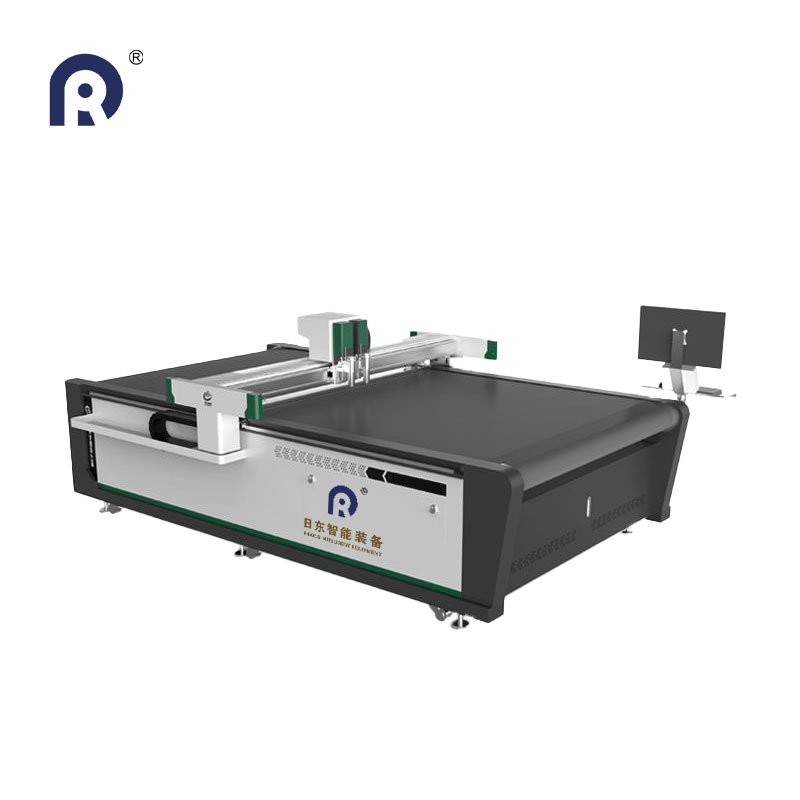
Precision Cutting Performance for Consistent High-Volume Output
How Sub-Millimeter Tolerances Reduce Waste in Multi-Layer Spreads
Getting cutting precision down to sub-millimeter levels (around 0.1 mm or so) makes a huge difference when trying to cut down on fabric waste during mass production runs. When dealing with those multi-layer spreads common in clothing factories, even small mistakes get multiplied across all the layers, leading to patterns that don't line up properly and creating sections of fabric that just can't be used. According to what manufacturers have seen in practice, keeping cuts within 0.5 mm tolerance actually cuts material waste by roughly 22% when working with stacks of about 30 layers. To reach this kind of accuracy, most shops rely on advanced servo motors and specially designed frames that absorb vibrations, ensuring blades stay on track despite tiny fluctuations. With tricky materials like technical knits or laminates where fraying really magnifies any errors, maintaining consistent sub-millimeter precision means pieces fit right the first time around, saving both time and money that would otherwise go into fixing mistakes.
CNC Fabric Cutting Table Accuracy vs. Throughput: Balancing Speed and Yield
Getting the most out of a fabric cutting table really comes down to finding that sweet spot between going fast enough and keeping things accurate. When manufacturers push too hard for speed, they tend to end up with poor edge quality on their cuts. The good news is modern CNC systems have cracked this problem through smart path correction tech that adjusts cutting speeds automatically depending on what kind of material they're working with and how complex the pattern is. Take corners for example these machines will slow down about 40 percent when dealing with detailed designs which helps maintain around plus or minus 0.15 mm accuracy all on its own. Top end equipment can handle around 120 linear meters per hour and still keep rejection rates below 0.3 percent something absolutely necessary when running batches larger than 10,000 pieces. Maintaining this careful balance stops production slowdowns caused by defects that jump anywhere from 15 to 18 percent when operators try to cut corners by rushing through jobs, ultimately protecting profit margins during large scale manufacturing runs.
Stable, Secure Handling of Thick Multi-Layer Fabric Spreads
Fabric cutting tables used in industry need special engineering when dealing with thick stacks of material, sometimes over 30 layers deep. The vacuum system plays a critical role here, needing to hold everything down evenly without warping the materials. Most setups rely on powerful pumps at least 15 horsepower or more combined with zone controls that can isolate specific areas while cutting happens. These features help keep materials from moving around, especially in those tricky corner spots where air pressure tends to get uneven. Getting this right makes all the difference for production efficiency and quality outcomes across manufacturing operations.
- Zone segmentation enables partial activation during loading/unloading
- Perforation patterns (3 mm holes at 20 mm spacing) maximize airflow
- Seal integrity checks prevent suction loss in high-humidity environments
Work surface selection directly impacts stability and blade longevity. Melamine-coated boards offer durability for frequent knife penetration but require regular resurfacing. Linoleum provides smoother cutting action for synthetics yet wears faster under abrasive materials. Integrated T-slot tracks enable modular fixturing critical for irregular spreads while maintaining a flush plane.
| Surface Material | Durability | Maintenance | Best For |
|---|---|---|---|
| Melamine | High | Moderate | Heavy textiles |
| Linoleum | Medium | Low | Slick synthetics |
Balancing these elements ensures consistent registration in multi-layer operations, reducing material waste and misalignment in high-volume workflows.
Throughput Optimization and Seamless Workflow Integration
Getting maximum production speed isn't simply about having a fast fabric cutting table. It really comes down to how well everything works together from start to finish across the whole manufacturing chain. When different parts of the system don't talk to each other, it creates all sorts of problems. We've seen factories lose precious time because workers have to manually move information between pattern design, cutting areas, and sewing stations. The Industry Efficiency Report for 2023 shows these manual transfers can eat up anywhere from 15 to 23 minutes for every batch processed. Real improvements happen when cutting tables connect directly with CAD/CAM programs and ERP systems. This connection allows jobs to queue automatically, tracks materials as they move through the factory in real time, and even sends warnings before equipment might break down. Such an integrated workflow keeps operators busy instead of waiting around, cuts down on mistakes caused by poor communication by roughly 40%, and gets orders out the door faster. Facilities that handle large volumes need to focus on systems with open APIs and two-way data exchange capabilities. These features let cutting operations adjust on their own to changing production needs without someone needing to step in and fix things manually all the time.
Heavy-Duty Construction, Safety, and Operator-Centric Durability
Frame Rigidity, Load Capacity, and Compliance with OSHA and ISO 13857 Standards
For industrial fabric cutting operations that run at scale, the base structure needs serious strength. The best tables have those solid welded steel frames that really dampen vibrations when cutting materials. This matters because it keeps precision tight down to fractions of a millimeter, even when dealing with heavy loads over 6,000 pounds. Strong construction also means less movement in those multi-layer fabric stacks, which cuts down on wasted material somewhere around 8 percent according to some studies from last year. When a table can handle 30 layers or more without buckling, workers spend less time resetting everything between cuts, so productivity goes up across the board. Safety is another big concern. Tables built to meet OSHA rules and ISO standards come with important protections like pinch-resistant drives, quick emergency stops, and those mandatory safety zones around moving parts. Plants that stick to these guidelines tend to see about 40% fewer accidents on site compared to others, which makes sense since everyone knows how expensive downtime and legal problems can get.
FAQ
How do sub-millimeter tolerances reduce fabric waste?
Sub-millimeter tolerances ensure precise cutting, minimizing material waste by aligning patterns accurately across multi-layer spreads, thereby reducing sections of unusable fabric.
What is the role of CNC fabric cutting tables in manufacturing?
CNC fabric cutting tables optimize speed and accuracy by automatically adjusting cutting speeds based on material type and design complexity, reducing defects and boosting productivity.
How does vacuum system engineering benefit thick multi-layer fabric spreads?
Vacuum systems stabilize multi-layer spreads by maintaining even pressure, preventing material movement during cutting, which is crucial for efficiency and quality.
Why is workflow integration important in fabric cutting operations?
Seamless workflow integration enhances efficiency by connecting cutting tables with CAD/CAM and ERP systems, reducing manual errors and speeding up production processes.