
 EN
EN
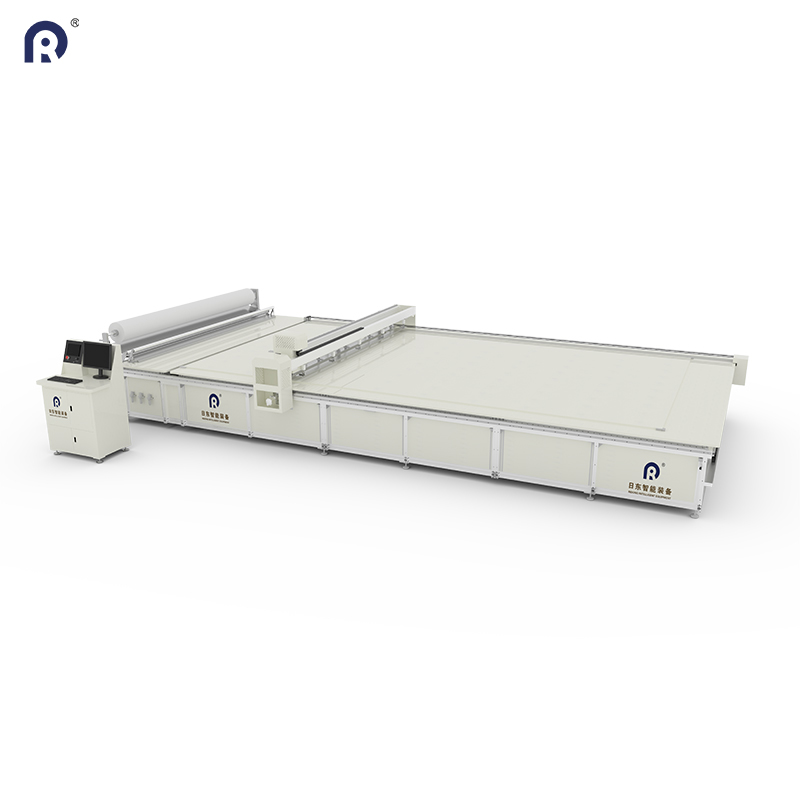
How Ultrasonic Fabric Cutting Machines Work: Foundation for Effective Maintenance
Core Components Explained: Generator, Booster, Sonotrode, and Anvil
Ultrasonic fabric cutting machines work by turning regular electricity into those super fast mechanical vibrations we talk about, typically somewhere between 20 thousand to 40 thousand hertz. At the heart of this system sits the generator which takes normal AC power and converts it into these exact ultrasonic waves that get sent to some special piezoelectric ceramic parts. These ceramics start vibrating when they receive the signal. The vibrations then pass through what's called a titanium booster. This part actually makes the vibrations bigger, increasing their strength by around 1.5 to 3 times before they reach the cutting horn or sonotrode as it's also known. The sonotrode directs all this energy right onto a specially designed blade, whereas the anvil just sits there being strong and properly tuned to match up with everything else. When all these parts work together, they create enough heat at the actual cutting area (usually between 40 and 120 degrees Celsius) to both cut through and seal off the edges of synthetic fabrics and technical textiles at the same time. No more fraying happens because of this process, which makes it much better than traditional mechanical cutting or other heating methods out there.
Why Physics Matters: Heat Buildup, Resonance Shift, and Misalignment Cause Inconsistent Cuts
Getting consistent cuts depends on keeping a few key factors balanced. Heat management comes first because when blades run too long without cooling, they start losing efficiency and can actually burn through sensitive non-woven materials. Then there's the issue with resonance frequencies shifting over time as parts wear down in the transducer assembly, booster components, or the sonotrode itself. This throws off the whole system from its sweet spot of around 20 to 35 kHz, sometimes dropping the vibration strength by nearly half. The third big problem? When the sonotrode gets even slightly out of alignment with the anvil surface, pressure gets distributed unevenly across the material being cut. We've seen field tests where just a tenth of a millimeter misalignment causes defects to jump by about a quarter in layered fabrics. Keeping everything aligned properly and maintaining that harmonic balance makes all the difference when trying to get clean, sealed edges consistently across different fabric types day after day.
Preventive Maintenance Schedule for Ultrasonic Fabric Cutting Machine Longevity
Daily Cleaning Protocol: Horn, Anvil, and Feed Path Hygiene
A disciplined daily cleaning routine prevents residue accumulation that degrades vibration transmission and accelerates wear. After each production run:
- Degrease the sonotrode tip with manufacturer-approved solvents to remove adhesive transfer
- Wipe the anvil surface with lint-free cloths to eliminate micro-particles interfering with energy coupling
- Clear fabric fibers from feed rollers and guides using compressed air (<30 PSI)
- Vacuum loose debris from the material pathway to avoid contamination
Synthetic fiber residues or uncured adhesives disrupt the ultrasonic pathway, causing localized heat spikes and premature component fatigue. Always verify complete moisture removal before restartingâdocumented sign-off ensures accountability and operational safety.
Weekly Inspection Checklist: Tightness, Alignment Signs, and Generator Diagnostics
Perform comprehensive evaluations every 168 operational hours:
| Inspection Area | Critical Parameters | Tolerance Threshold |
|---|---|---|
| Component Tightness | Transducer/booster torque | ±0.2 Nm from spec |
| Horn-Anvil Alignment | Parallelism gap | ⤠0.05 mm variance |
| Generator Output | Amplitude consistency | < ±2% fluctuation |
When checking fastener integrity, make sure to use properly calibrated torque tools since vibration can actually cause those bolts to loosen over time, which leads to real energy losses we can measure. Take a good look at cutting edges through magnifying equipment too. Those tiny nicks less than 0.1 mm deep don't need new blades just yet but definitely call for some honing work. Keep an eye on generator diagnostics especially when frequency starts drifting more than 25 Hz above or below normal levels. Logging current readings helps spot problems before they become serious issues with transducers wearing out prematurely. Spread out inspection schedules between different shifts so operations stay productive while still getting complete coverage of all system components.
Precision Calibration and Blade Management for Reliable Output
Step-by-Step Calibration for Technical Textiles and Non-Wovens
Calibration preserves edge quality and dimensional accuracy when processing demanding materials like carbon-fiber-reinforced textiles or spunbond non-wovens. Perform this sequence every 200 operating hoursâor immediately after switching material families:
- Reset baseline parameters using factory specifications for amplitude (typically 20â40 μm) and applied pressure (15â25 PSI)
- Test-cut sample strips across variable feed rates, measuring edge smoothness with laser micrometers
- Adjust harmonic frequency if edge deviation exceeds 0.3 mm tolerance, using the generatorâs resonance tuner
- Validate with production-grade material under continuous operation for 15 minutes
Skipping calibration contributes to 23% more dimensional errors in technical fabrics (Industrial Textiles Review, 2024). Proper tuning cuts material waste by 40% and extends blade life significantly.
When and How to Replace the Sonotrode to Prevent Downtime and Defects
Replace the sonotrode when one or more of these indicators appear:
- Performance degradation: Measured cutting force increases >15% beyond baseline
- Physical wear: Visible pitting or edge rounding exceeding 0.2 mm depth
- Quality issues: Persistent fused edges or fraying across multiple material types
Follow this procedure during scheduled maintenance:
- De-energize and lock out the machine per OSHA-compliant procedures
- Remove the booster assembly using calibrated torque wrenches
- Install the new sonotrode with concentricity maintained within <5 μm
- Conduct a full harmonic sweep and amplitude verification before resuming production
Proactive replacement at 1,500 operating hours prevents 92% of unplanned downtime events (Precision Engineering Journal, 2024). Keep at least one certified spare sonotrode on-site to avoid average 8-hour delays during critical failures.
FAQ
What are ultrasonic fabric cutting machines?
Ultrasonic fabric cutting machines are advanced devices that utilize high-frequency vibrations to cut and seal synthetic fabrics and technical textiles, reducing fraying and offering precise, clean edges.
How can maintenance impact ultrasonic fabric cutting machines?
Proper maintenance ensures these machines operate efficiently, preventing defects caused by heat buildup, resonance shifts, and alignment issues, ultimately prolonging machine lifespan.
What are common signs that a sonotrode needs replacing?
Indicators include performance degradation with cutting force increases, visible physical wear like pitting, and persistent quality issues such as fused edges or fraying.