
 EN
EN
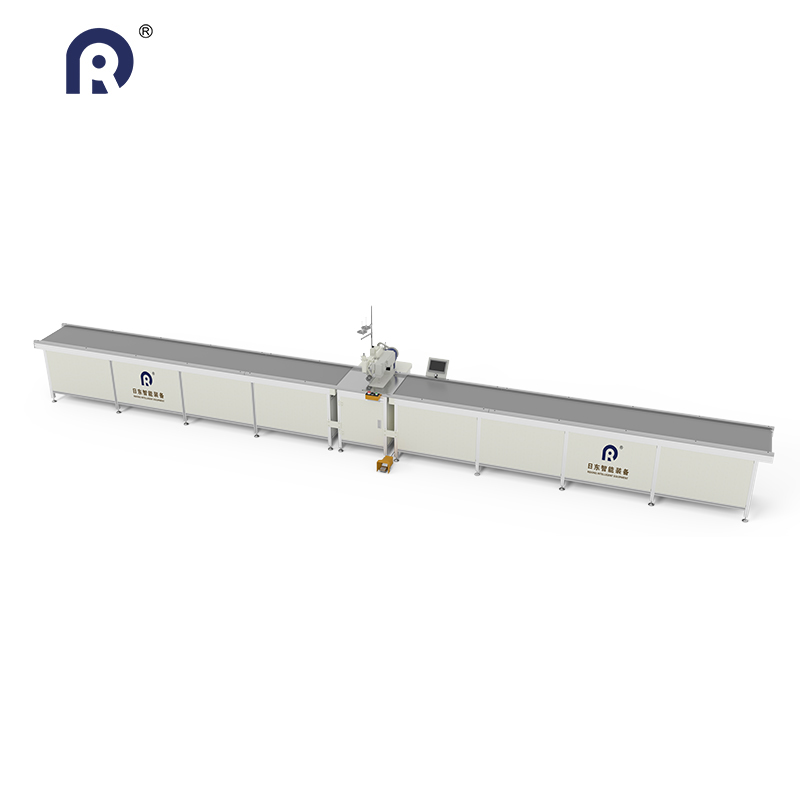
Core Heavy-Duty Features of Industrial Awnings Sewing Machines
Walking Foot & High Presser Lift for Multi-Layer Vinyl and Marine Canvas
When working with tough materials like UV resistant vinyl and marine grade canvas, industrial awning sewing machines rely on special synchronized feed systems to get the job done right. The walking foot design keeps all fabric layers moving together, which is really important for creating those clean, strong seams when dealing with multiple plies. Standard machines just cant handle this without letting the fabric slip around. These machines also come with presser foot lifts that go well beyond 18mm, allowing them to penetrate even heavy duty stuff like 24 oz PVC coated polyester without issues. What makes these machines stand out though is how much easier they make long hours at the machine. Operators report about a third less fatigue when doing those repetitive multi pass jobs needed for attaching webbing or making double stitched hems, plus the stitches stay consistent throughout.
Servo Motors and Reinforced Frame Components for Sustained Throughput
The newer generation of heavy duty awning machines has swapped out old style clutch drives for precision servo motors. These motors deliver consistent torque across the entire speed range from 0 to 2,500 RPM. They also cut down on energy consumption by about 60% during those long work shifts. Plus, they allow for quick needle positioning which makes getting those corners just right much easier. The frames are made of cast iron with added ribs for reinforcement throughout. This design helps soak up all that operational vibration so there's no drifting in dimensions when running long seams. Manufacturers claim these improvements actually extend the machine's lifespan by around 40% compared to lighter models. That's pretty impressive considering some shops process well over 500 linear yards every day.
Long-Arm Throat Space for Seamless Wide-Awnings Construction
When working with architectural scale awning panels, having throat space over 12 inches makes all the difference. With this extra room, operators can actually turn those big 8 by 10 foot sections around without constantly stopping to reclamp everything, which cuts down on those pesky cross seam alignment issues by roughly 70%. The bigger throat area also works well with some pretty specialized tools. Think about things like wide roll binders that handle continuous edges, pattern controllers programmed for curved valances, and even pneumatic lifts designed specifically for laminated materials. All these attachments make it possible to build structures wider than 20 feet without visible seams, and naturally improves how well they stand up against weather conditions.
Material-Specific Optimization for Awnings Fabrics
Needle, Thread, and Foot Selection for PVC-Coated Polyester and Vinyl
When working with synthetic awning materials, getting the right components matters a lot. Heavy duty needles ranging from #18 to #22 with reinforced shafts help avoid bending when going through thick fabric layers. For thread options, UV stabilized polyester or bonded nylon (at least Tex 70) stands up better to wear and tear caused by weather conditions. Non stick rollers or Teflon coated presser feet make all the difference in reducing friction during fast sewing operations. Getting things misaligned can lead to problems like missed stitches or damaged surfaces. Take microgroove needles as an example they cut down on seam failures by about 34% at a major manufacturer's vinyl production facility according to their records. These small details really impact the final product quality.
Stitch Type Strategy: Double-Needle vs. Chainstitch for UV and Tensile Resistance
Stitch choice balances durability, flexibility, and exposure performance:
| Factor | Double-Needle | Chainstitch |
|---|---|---|
| UV Resistance | Superior (dual-thread cover) | Moderate |
| Tensile Strength | 280 N (ISO 13935-2) | 320 N (ISO 13935-2) |
| Flexibility | Medium | High (unlocked loops) |
Chainstitch is optimal for tension-critical joints like tie-down points, while double-needle stitching delivers cleaner, more UV-resilient hems on exposed edges. A 2023 tensile study confirmed chainstitch outperformed lockstitch by 19% under sustained wind loading.
Calibration Protocols to Ensure Consistent Industrial Awnings Sewing Machine Performance
Thread Tension, Hook Timing, and Presser Foot Height Adjustment Workflow
Getting good stitches in heavy fabrics starts with proper machine setup. Most experienced technicians know they need to adjust the bobbin case tension between 180 and 220 grams when using a proper gauge. This step really matters because it helps create balanced stitches even when working with thick materials. Next comes getting the hook timing right. The needle should drop about 2.1 to 2.5 millimeters above where the hook catches it, which makes sure the thread loops form properly without breaking. When dealing with multiple layers of fabric, adjusting the presser foot height to around 12 to 15 mm with a thickness gauge keeps everything feeding smoothly without slipping. Keeping records of all these adjustments in a standard logbook isn't just paperwork. It actually makes tracking problems easier, reduces the need for redoing work by about 30 percent, and helps meet those ISO 9001 requirements that many shops have to follow.
Preventive Maintenance for Long-Term Reliability and Peak Output
Lint Management, Needle/Looper Inspection, and Precision Oiling Schedule
Regular maintenance is essential for keeping machines running smoothly and performing at their best. Getting rid of lint daily makes a big difference. Just blowing compressed air into those tricky spots like the bobbins and tension discs can stop around three quarters of all thread breaks before they happen. The needles and loopers need checking roughly every eight hours of operation too. Look out for any tiny burrs or if things seem off alignment. Replacing them right away prevents those frustrating snags and missed stitches when working on marine canvas projects. For weekly care, apply oil carefully. Stick strictly to what the manufacturer recommends for places like the hook race and needle bar connections. Too much oil just attracts dirt instead of preventing it. Stick with this routine and most shops report about a 20 something percent drop in unexpected breakdowns plus components tend to last nearly half again as long under heavy duty conditions.
FAQ
Why are servo motors preferred over clutch drives in awning machines?
Servo motors are preferred because they provide consistent torque across all speed ranges, reduce energy consumption by about 60%, and enable precise needle positioning, enhancing efficiency and accuracy.
What types of materials are best suited for industrial awnings sewing machines?
These machines are best for UV resistant vinyl, marine grade canvas, and 24 oz PVC coated polyester due to their strength and synchronized feed systems.
How do adjustments in thread tension and hook timing affect sewing quality?
Proper thread tension and hook timing ensure balanced stitches and smooth thread loop formation, leading to consistent seam quality even with thick materials.