
 EN
EN
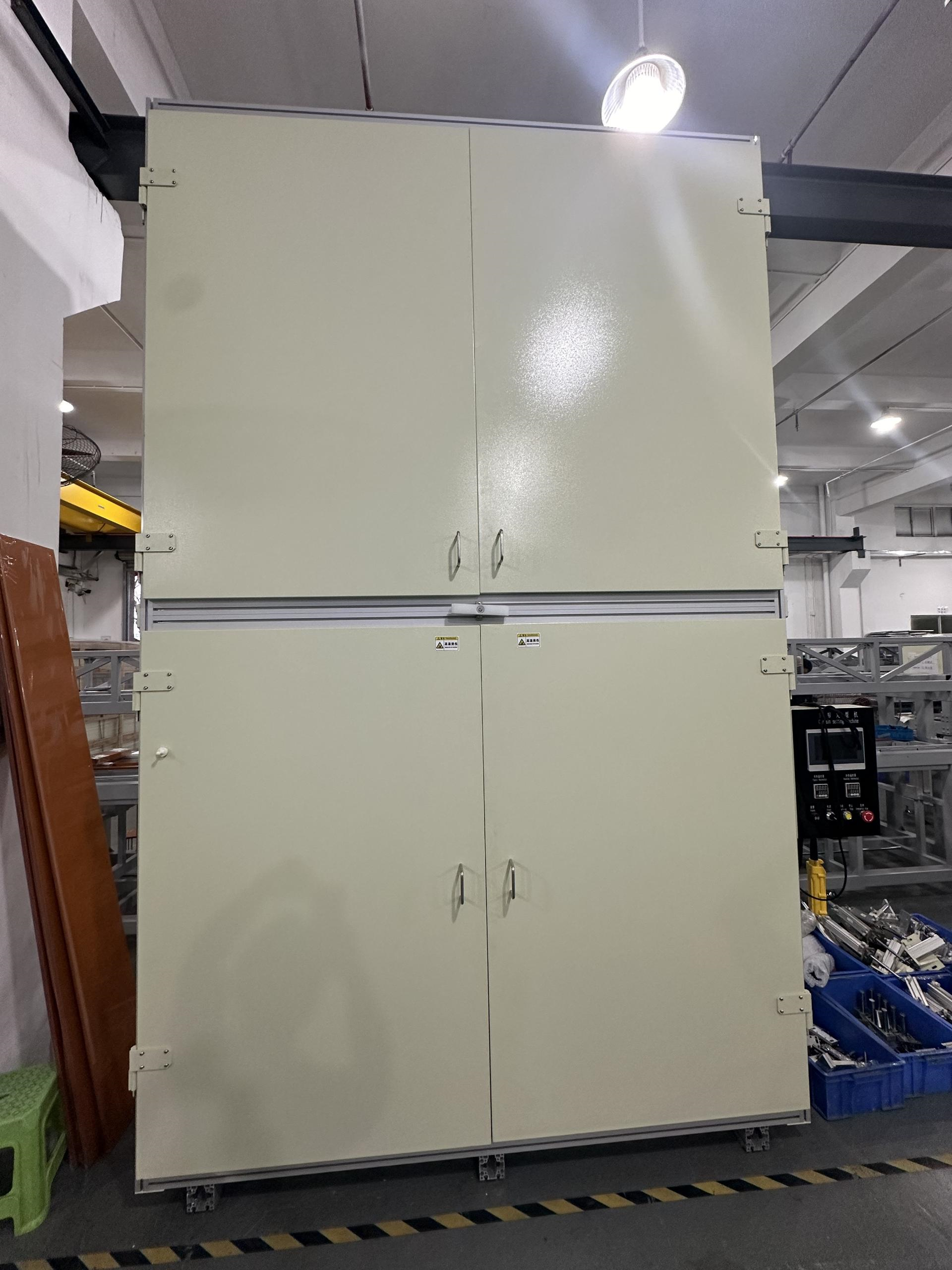
Micron-Level Precision in Pleat Formation
How servo-driven actuators and optical feedback loops ensure repeatable pleat depth and spacing
Modern curtain setting equipment reaches incredible levels of precision thanks to advanced servos and optical feedback technology built right into the machinery. These powerful servos can tweak fabric tension down to just 0.005mm, something most people wouldn't even notice but makes all the difference in quality. At the same time, fast acting cameras take continuous readings of every single pleat as it's being formed. When the optical sensors spot any tiny inconsistencies (as small as 5 microns), they automatically correct both the depth and spacing of the pleats before moving on to the next fold. What's really impressive is how this whole system works at lightning speed too - we're talking about production rates hitting 30 meters per minute! No more guesswork or human error when measuring things manually. The result? Consistent output cycle after cycle, no matter how many curtains get made. And best of all, these machines handle pretty much every type of pleat pattern out there from basic pinches to fancy goblets and European styles. All this happens within a tight ±0.1mm margin of error across both natural fibers and synthetics alike.
Data-backed consistency: 92% lower dimensional variance vs. manual pleating (Textile Automation Journal, 2023)
Quantitative analysis confirms automated pleating’s superiority: a 2023 study published in Textile Automation Journal, analyzing 25,000 curtain panels, found that curtain setting machines deliver 92% lower dimensional variance than manual methods. Researchers measured pleat depth consistency across three production scenarios:
| Method | Average Variance | Defect Rate | Material Waste |
|---|---|---|---|
| Manual | ±1.8mm | 7.3% | 15% |
| Automated | ±0.15mm | 0.4% | 3% |
This 12-fold improvement in precision—reducing deviation from ±1.8mm to ±0.15mm—cut material waste by 80% and delivered statistically significant gains in uniformity (p<0.001), directly correlating with fewer rejected panels in commercial installations.
Elimination of Human-Induced Variability
7.3× higher defect rate in non-automated small-batch runs — root causes and mitigation via curtain setting machine integration
When making curtains by hand, there's just no getting around the fact that quality varies quite a bit, especially when only producing small batches. According to some research published last year in the Textile Automation Journal, manual methods actually result in about seven times more defects compared to automated systems. Why does this happen? Well, workers get tired after long shifts, their hands apply uneven tension across fabric, and measurements just aren't consistent enough during those crucial pleating steps and when setting with heat. These tiny differences matter a lot too. If the fabric sits too long or gets pressed with slightly different pressure under those heating elements, the pleats end up looking off by over three millimeters either way. That kind of inconsistency is totally unacceptable for high-end window treatments where perfection matters most.
Curtain setting machines take out all those guesswork factors thanks to their standard clamping system controlled by servos, plus heating cycles that follow strict timing protocols. These machines come equipped with built-in alignment sensors that keep checking where the fabric is positioned throughout the process, automatically adjusting if things start drifting off track. The end result? Pleat depths vary way less than when done manually, probably around 90% improvement based on what manufacturers report. Those pesky issues we see in hand-made curtains like wavy hems or inconsistent folds basically disappear because there's no room for human error anymore. Whether someone needs just a few curtain panels or runs into the hundreds, every single piece comes out looking exactly the same.
Real-Time Adaptive Quality Control
AI-powered vision systems detecting micro-defects and auto-adjusting tension, heat, and feed parameters
Modern curtain setting machines integrate AI-powered vision systems that scan fabric continuously during production. High-resolution cameras identify micron-scale anomalies—including thread inconsistencies, dye lot variations, and weave irregularities—in real time. Upon detection, the system autonomously adjusts three key parameters without interrupting production:
- Tension: Compensates dynamically for slack or stretch
- Heat: Modulates thermal profiles to prevent scorching or under-setting
- Feed rate: Fine-tunes fabric movement speed to maintain alignment
Closed loop adaptive control cuts down on human involvement by almost ninety percent, all while keeping those dimensions tight within plus or minus point three millimeters. The machine learning stuff gets better at spotting issues each time it runs through a production cycle, so it works reliably whether dealing with lightweight sheer fabrics or heavy duty blackout materials. What does this mean for actual results? Quality problems drop off dramatically compared to when people were watching everything manually, somewhere around seven times fewer defects actually. And best part? The consistency stays pretty much the same no matter if we're talking about small batches or large scale manufacturing runs.
Scalable Uniformity Across Fabrics and Volumes
Pre-validated parameter libraries for linen, polyester, and blackout fabrics — ensuring consistent curtain setting machine performance at any scale
When moving from one fabric type to another, pre-validated parameter libraries cut down on all that guesswork during setup. These libraries actually hold settings that have been tested and refined through real-world experience for things like tension control, heat application patterns, and how fast the material moves through the machine. They're specifically designed for different fabrics too - taking into account how linen behaves naturally, the way polyester stands up to processing, and the special needs of those blackout fabrics with their heat sensitive coatings. All an operator really needs to do is pick the right profile from the list, and suddenly they're running at micron-level accuracy without having to tweak everything manually each time.
Standardizing processes means getting consistent pleats whether we're making just ten sample pieces or scaling up to ten thousand units at once. Facilities worldwide can produce exactly the same quality products when they follow these established parameters. When setup takes less time, there's less wasted material and fewer instances where things need to be redone, which all adds up to real savings as operations grow. The curtain setting machine itself was built with this in mind - it copies successful settings so well that quality stays top-notch no matter how many items are being produced or where the factory happens to be located around the globe.
FAQ
What is pleat depth consistency in curtain setting?
Pleat depth consistency refers to the uniformity of the depth of each pleat formed during curtain production. Modern machines ensure this consistency using servo-driven actuators and optical feedback loops.
Why is automation preferred over manual pleating?
Automation is preferred as it offers 92% lower dimensional variance, reduces material waste, and enhances the overall uniformity and precision in curtain production.
How do AI vision systems improve curtain production?
AI vision systems scan fabrics continuously for micron-scale anomalies and automatically adjust tension, heat, and feed rate, reducing defects and ensuring high-quality output.
How do pre-validated parameter libraries benefit production?
Pre-validated parameter libraries streamline setup by providing tested settings for different fabric types, ensuring consistent production accuracy without manual adjustments.