
 EN
EN
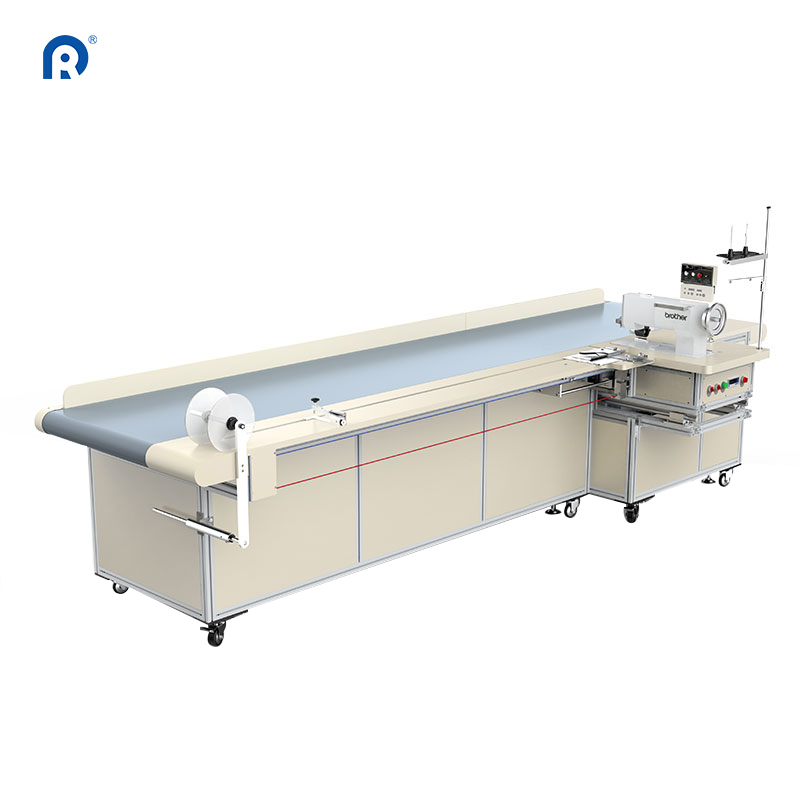
Why a High-Performance Curtain Sewing Machine Is the Single Largest Efficiency Lever
The sewing process is probably the most critical part of curtain manufacturing when it comes to how much gets produced each day and what kind of profits companies see. When workers do everything by hand, problems tend to pile up fast. Delays start showing up everywhere from cutting sections to finishing touches and even quality checks, particularly when dealing with thick materials such as those blackout linings or those fancy layered drapes people love so much these days. Specialized machines designed specifically for curtains really help break through these limitations because they're built tough with all sorts of industrial parts plus automation features nobody would think about otherwise. Machines equipped with those synchronized needle systems cut down on stitching time for each panel somewhere around 30 to maybe even 40 percent. They also keep the tension pretty much the same no matter what type of fabric goes through them, which means far fewer instances where threads snap or things get out of alignment requiring extra work later on. Fewer man hours spent on each individual curtain translates into getting more done throughout the day. Looking at different ways to improve efficiency, whether it's better training for staff or rearranging workshop layouts, upgrading equipment almost always gives back the best return on money invested. According to Textile Benchmarks from last year, just investing in one good quality machine can cut down production time by half sometimes and boost first pass yields past 95%. These improvements don't just add up over time; they become essential if manufacturers want to grow their businesses without losing money along the way.
Choosing the Right Curtain Sewing Machine by Production Scale and Fabric Requirements
Multi-needle, pleating, and edge-binding machines: matching function to output volume
The amount of production determines what kind of machinery makes sense for most shops. Workshops making over 500 curtains each week generally find that multi-needle machines cut down on hemming work by around 40% when compared to regular single needle setups. Pleating attachments can tackle complex heading styles such as pinch pleats or pencil pleats at roughly 15 meters an hour speed, and edge binding attachments get those seams done all in one go. For smaller runs below about 100 pieces per week, semi automatic pleaters often strike just the right balance between getting things right and keeping output reasonable. Getting the matching right between what equipment is available and actual production demands helps prevent slowdowns. Big volume producers usually need separate machines for each specific task, but mid sized operations might do better with combination units that offer flexibility without too much compromise.
Heavy-duty vs. semi-industrial units: balancing fabric weight, batch size, and uptime needs
The weight of fabric being processed plays a major role in determining what kind of sewing machine structure is needed. For heavy duty work with blackout linings and thick velvet upholstery materials reaching around 8mm thickness, industrial curtain sewing machines rated at needle forces equal or greater than 1200 grams force are essential. These machines can handle production runs exceeding 100 curtain sets per day during those long 18 hour shifts without skipping stitches. When dealing with lighter fabrics like voile or linen for smaller production runs below 50 pieces, semi industrial models between 600 to 900 grams force work well enough. Just remember these require regular cooling breaks about every four hours lasting approximately thirty minutes. Production volume matters too. Facilities handling constant large orders benefit greatly from industrial grade motors that keep downtime minimal, often below 2%. But for shops with sporadic workloads, saving floor space becomes more important than maximum throughput, making semi industrial equipment a better fit despite their limitations.
Must-Have Features in a Curtain Sewing Machine That Cut Cycle Time and Rework
Automatic tape feeding and programmable pleat systems: slashing manual labor by up to 65%
The automated tape feed systems take care of those pesky alignment issues that happen all too often during header assembly work. Plus, the programmable pleating tech remembers exactly where each fold should go, so every batch looks pretty much the same. Factory workers have noticed they spend way less time on their hands and knees doing this stuff manually now. Some shops saw their labor costs drop by around two thirds after switching over from old school methods. These machines can tackle tricky folds such as pinch or goblet pleats without breaking a sweat. No more wasted material because of messed up pleats that need cutting again either. According to research published last year by Ponemon Institute, companies of moderate size save roughly seven hundred forty thousand dollars each year just from not having to redo faulty products.
Intelligent tension control and multi-needle synchronization: ensuring first-pass consistency
Thread tension sensors that work in real time can adjust themselves when dealing with different fabrics ranging from light sheer materials all the way up to thick blackout stuff. This helps stop problems like puckered seams or broken threads which would otherwise require starting over again. When combined with those fancy servo driven needles that hit about plus or minus 0.01 mm accuracy, manufacturers see really good results. These systems manage to get stitches right on the first try most of the time, somewhere around 98 or 99 percent actually. That makes a big difference compared to older machines where roughly one out of every five hours gets wasted fixing issues related to improper tension settings during production runs.
Integrating Your Curtain Sewing Machine into a Seamless, Bottleneck-Free Workflow
Real production gains don't come from just having good machines sitting around doing nothing. They happen when everything works together as one big system. When curtain sewing machines connect properly with what comes before and after them in the process chain things get much smoother. Think about linking those sewing machines with automated fabric spreaders, laser cutters, and those fancy finishing stations we've been talking about lately. Getting rid of all those unnecessary handoffs between different parts of the factory really cuts down on wasted time. The material handling systems should be set up so they actually move fabrics right where they need to go next without stopping. And let's face it, nobody wants to spend hours manually trimming threads or stacking finished products. These automated systems handle those tasks instead. What does this mean for actual operations? Less stuff piling up waiting to be processed, and workers spending way less time standing around doing nothing. Some manufacturers report cutting idle time by almost two thirds when their systems are properly integrated versus running separate machines that don't communicate with each other.
Connecting machines matters just as much these days. Units equipped with IoT tech send live performance data like OEE scores and warnings about stitching issues straight to the factory dashboard. What does this mean? Well, it lets maintenance teams fix problems before they actually break down, and managers can adjust schedules on the fly based on how fast things are really moving through the line. The operators get notifications when threads need refilling or if there's a tension problem developing, which stops those costly defects that lead to all sorts of rework headaches. And here's something interesting: when the sewing machines talk directly to the pleating systems and packaging equipment, factories can run in what we call single piece flow. Instead of working in batches, everything moves smoothly from start to finish. Quality curtains go from plain fabric right onto trucks for shipping without getting stuck anywhere along the way. This kind of seamless operation makes a huge difference in both efficiency and product consistency.
FAQs
Why is a high-performance curtain sewing machine crucial for manufacturers?
A high-performance curtain sewing machine significantly increases production efficiency, reduces production time, and enhances product quality by maintaining consistent thread tension and cutting down on manual labor.
What factors should be considered when selecting a curtain sewing machine?
Key considerations include production volume, fabric type, machine needle force, and the desired speed and accuracy of production. Different machines are suited for heavy-duty and lighter fabrics, as well as large and small batch sizes.
How do advanced features in sewing machines reduce cycle time?
Features like automatic tape feeding, programmable pleat systems, intelligent tension control, and multi-needle synchronization help to streamline operations, reduce the need for manual adjustments, and minimize the chances of rework.
How can a curtain sewing machine be integrated into a seamless production workflow?
Integrating machines with other equipment like fabric spreaders or finishing stations, utilizing IoT technology for real-time data sharing, and promoting a single piece flow system ensures a bottleneck-free production line.
Table of Contents
- Why a High-Performance Curtain Sewing Machine Is the Single Largest Efficiency Lever
- Choosing the Right Curtain Sewing Machine by Production Scale and Fabric Requirements
- Must-Have Features in a Curtain Sewing Machine That Cut Cycle Time and Rework
- Integrating Your Curtain Sewing Machine into a Seamless, Bottleneck-Free Workflow
- FAQs