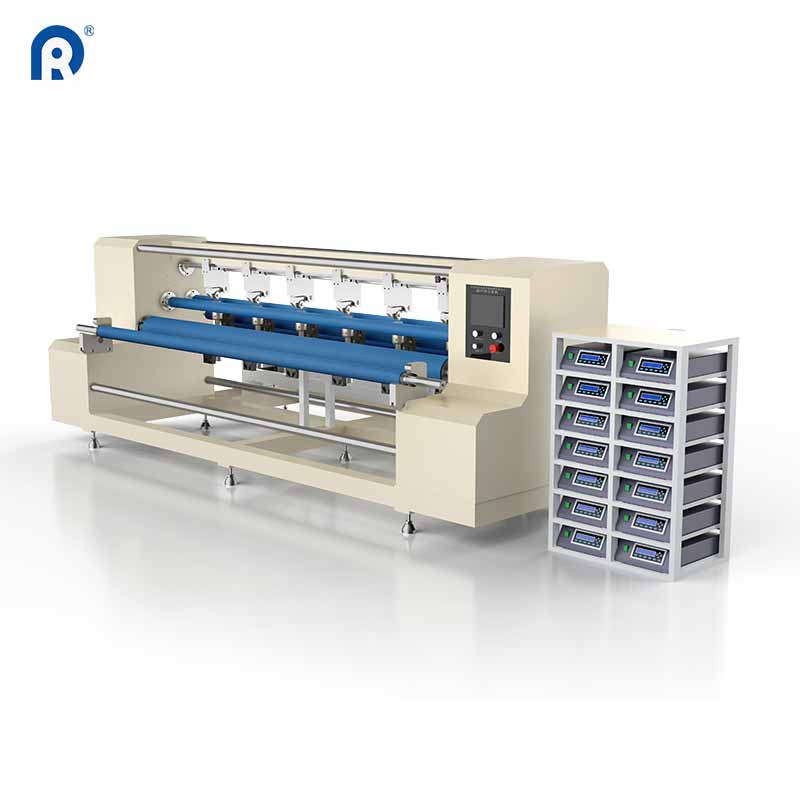
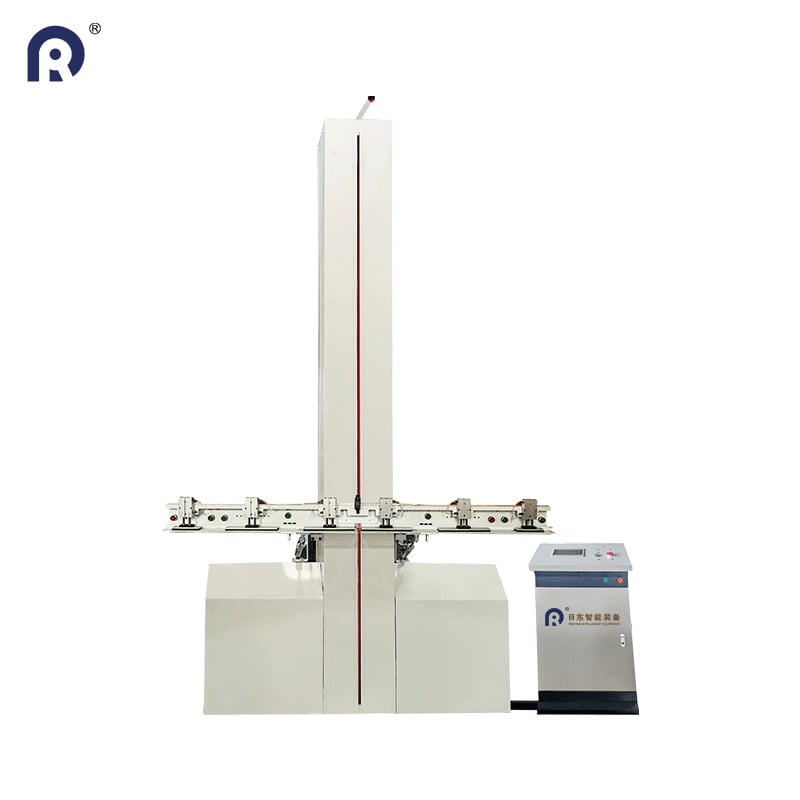
Australian Outdoor Living runs Ridong curtain, roller blind and zip screen machines in Adelaide — in-house production, on-site commissioning and training.
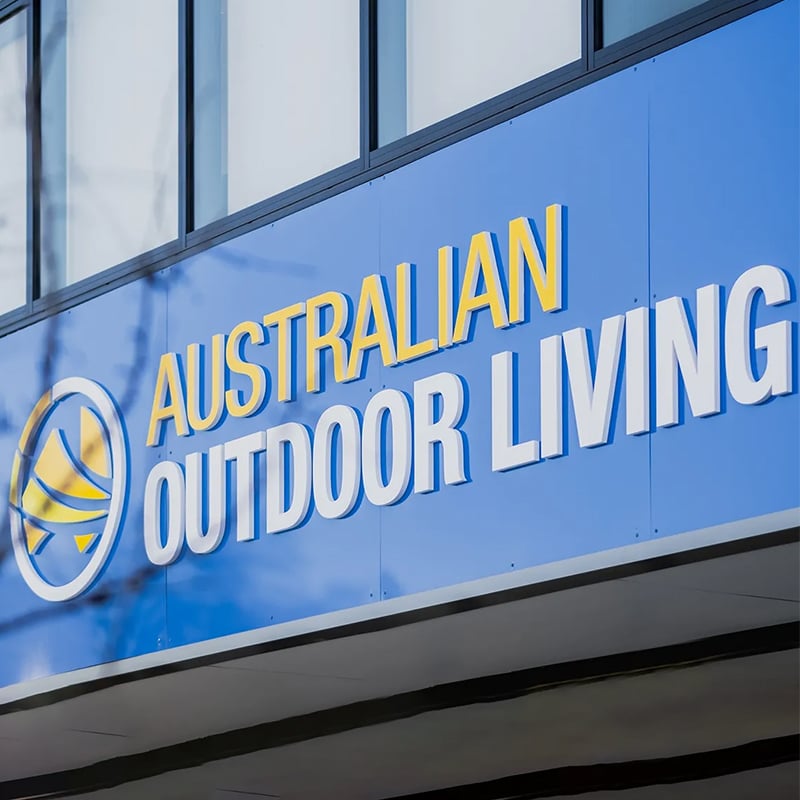
Over the past two years, Australian Outdoor Living has taken delivery of multiple Ridong machines covering curtain making, roller blinds and exterior zip screens. In September 2026 a Ridong service engineer travelled to Adelaide to install, commission and train — and the precision the machines held after commissioning is what turned a supplier relationship into a reference partnership.
Industry Outdoor living & window furnishings | Location Regency Park, Adelaide, SA | Machines Curtain · Roller blind · Zip screen | Service On-site commissioning, Sept 2026
|
Client |
Australian Indoor and Outdoor Living Pty Ltd (trading as Australian Outdoor Living) — australianoutdoorliving.com.au |
|
Business |
100% Australian-owned designer and installer of custom outdoor blinds, roller shutters, artificial grass, pergolas and verandahs, carports, timber decking and outdoor kitchens |
|
Footprint |
Founded in Adelaide in 2005 with five staff; today 200+ employees nationally and more than 175,000 Australian customers served |
|
Equipment supplied |
Curtain machine line, roller blinds machines and an exterior zip screen machine, purchased in successive batches |
|
Service milestone |
Ridong engineer on site in Adelaide, September 2026: installation, commissioning, precision calibration and operator training |
|
Why it works |
Custom-size production kept in-house, one supplier across three product lines, and engineering support that travels to the factory floor |
Australian Outdoor Living started in 2005 in a small Adelaide office with a handful of people. Two decades later it operates across almost every state and territory, employs more than 200 staff and has completed work for over 175,000 Australian households. The product range has widened from outdoor blinds to roller shutters, artificial grass, pergolas and verandahs, carports, decking and outdoor kitchens.
What matters for this case study is a decision the company made early and kept: its outdoor blinds are manufactured in Australia, not imported finished. Supporting that claim means owning the cut, the weld, the seam and the finish — the four steps where a made-to-measure product either becomes a quality product or becomes a rework ticket.
Every outdoor blind leaving an Australian factory is effectively a one-off. Widths follow the customer's opening, drops follow the height of a patio or pergola, and fabric choice changes the way the material behaves under a knife, a heat wedge or a sewing head. Three consequences follow:
The answer was not more people on the floor. It was equipment that holds a setting, and a supplier able to support three different production lines without three different service relationships.
Ridong supplied equipment for the three families of product Australian Outdoor Living builds. Because all three came from the same engineering team, the machines share control logic, spare-part families and one after-sales contact — which is the part that shows up on a maintenance schedule two years later.
LINE 01
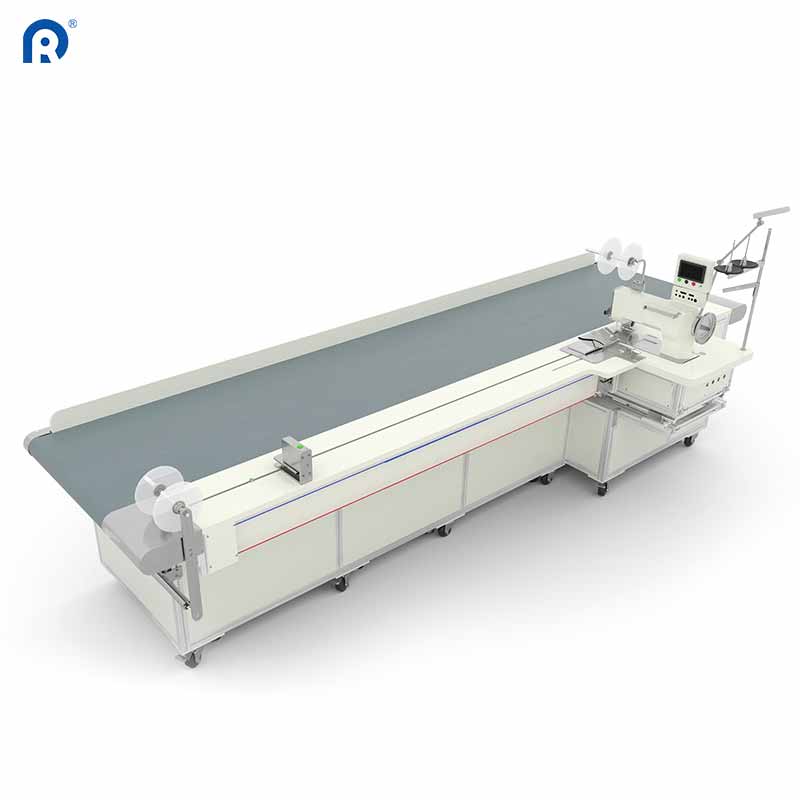
Sewing, hemming and heat-setting equipment for made-to-measure curtain production: hem forming at the correct tension, pleat memory set by controlled heat rather than presser-foot guesswork, and a finished drop that matches the measured window.
Curtain machine product line →
LINE 02
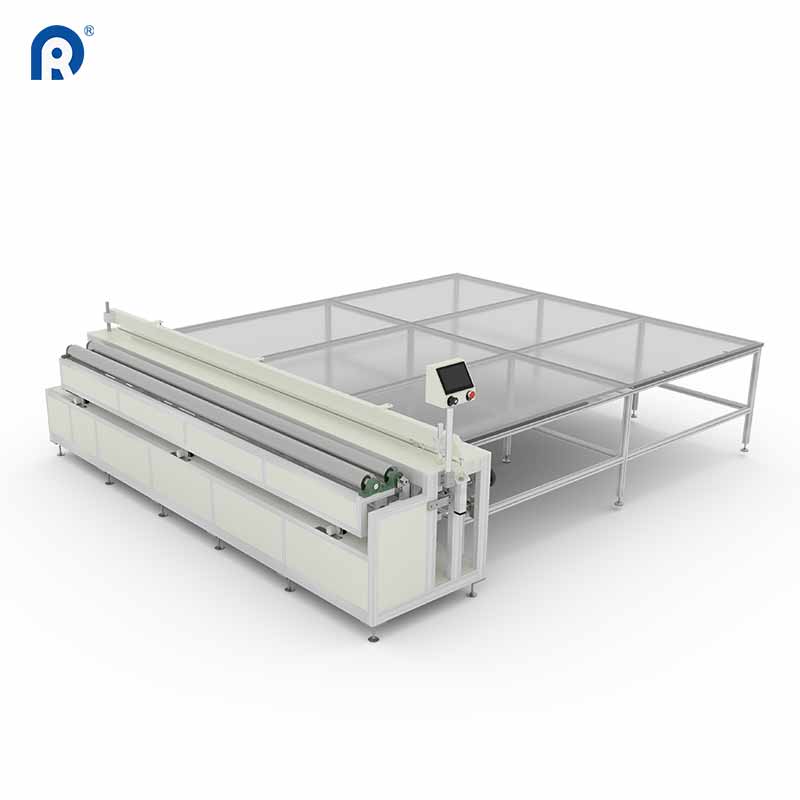
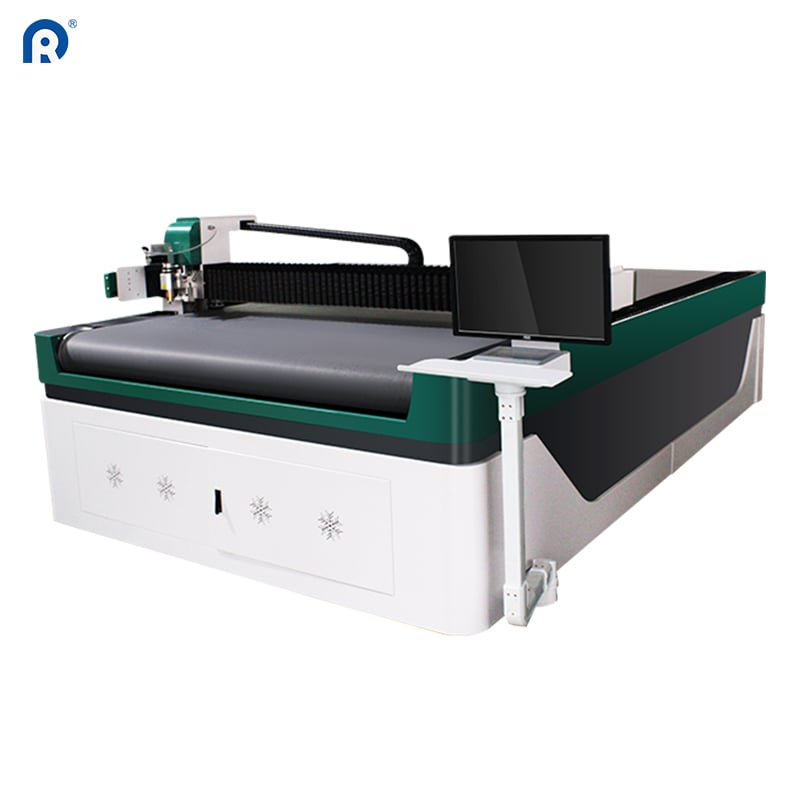
Cutting and welding equipment for aluminium tubes and blind fabric: square, burr-free tube cuts so a blind rolls without coning, and a sealed fabric edge that does not fray after the blind has been cycled a few thousand times.
LINE 03
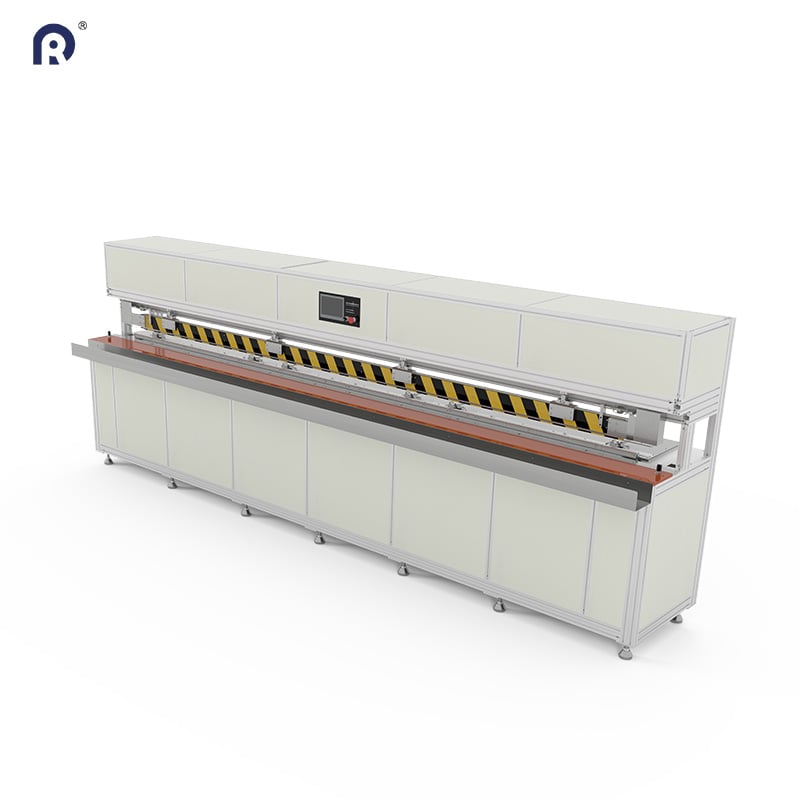
Welding equipment for exterior zip-guided screens, where the seam carries the tension of a long drop in wind. The weld has to be continuous, flat enough to run through the guide, and repeatable across fabric rolls that were not identical to begin with.
Exterior zip screen machines →
Equipment that arrives in a crate is only half a production line. The other half is the week when someone who knows the machine stands next to the people who will run it. In September 2026 a Ridong service engineer flew from Dongguan to Adelaide and worked through the following sequence with the customer's production team:
What the customer told us after commissioning was simple: the machines held their precision, and the engineer who set them up was as good as the equipment. For a factory that sells made-to-measure, that combination is the whole product.
The commercial effect of this cooperation is not a single headline number — it is where the work now happens. The cut, the weld and the finish sit in the same building as assembly, on the same shift pattern, under one quality standard. In practice that means:
That is why we treat Australian Outdoor Living as our benchmark reference in Adelaide: a national brand that manufactures locally, runs three Ridong lines, and has tested our after-sales promise on its own floor rather than in a brochure.
Why it matters for other Australian fabricators
Australia is an expensive place to make things by hand and an attractive place to make things well. The difference between the two is process control at the cutting and welding stage — the stage where imported finished goods are cheap and locally made goods are better. Three things made this project work, and all three are repeatable for any blind, curtain or screen manufacturer:
Yes. Ridong builds all three lines — curtain machinery, roller blinds cutting and welding machines, and exterior zip screen welding machines — from one engineering and after-sales team, which is how Australian Outdoor Living standardised on a single supplier across its product range.
Yes. Remote installation guidance is standard, and on-site installation, commissioning and operator training are available as a service — as delivered in Adelaide in September 2026. The scope is agreed before shipment so the visit is scheduled against factory readiness, not against the shipping date.
With a first-article inspection: trial pieces are measured for cut length, squareness, seam width and seam strength, and the parameters are adjusted until consecutive pieces hold the same result on the customer's own fabric. The settings are then recorded as a recipe the operator can recall for repeat sizes.
A documented maintenance schedule, a recommended on-site spare-parts set, remote troubleshooting, and replacement parts shipped from Ridong's factory. Consumables and wear parts are specified during commissioning so they can be stocked before they are needed.
Planning an in-house curtain, roller blind or zip screen line?
Tell us the products you make, the fabrics you run and the tolerance you need to hold. We will come back with a machine configuration, a commissioning plan and the after-sales scope — the same package Australian Outdoor Living runs in Adelaide.


 EN